


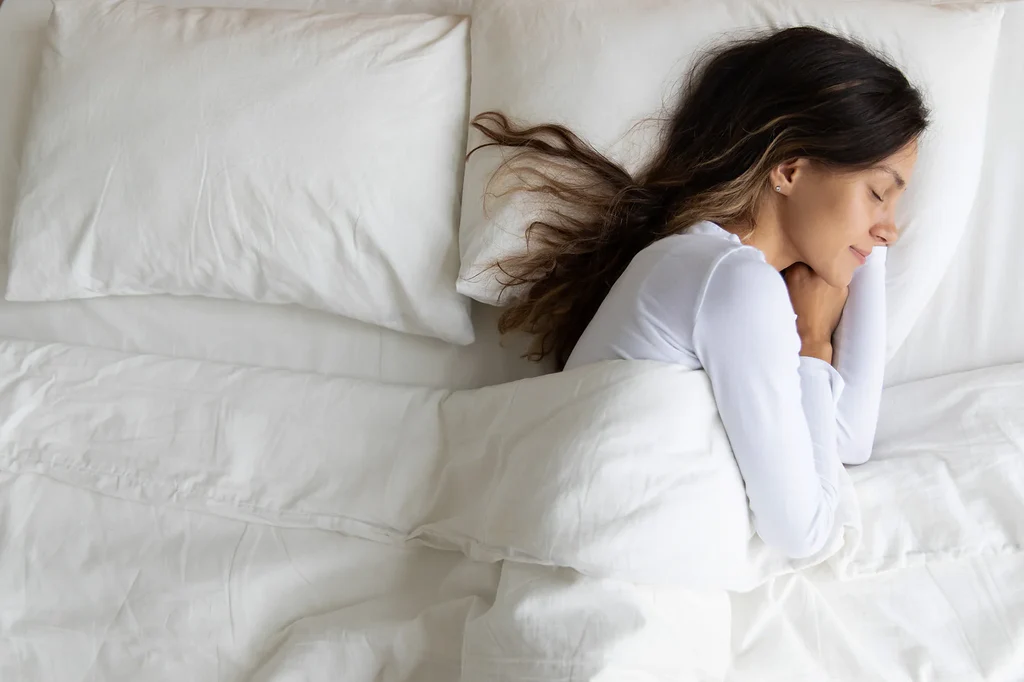
You’ve probably planned a trip around a museum or a buzzy new restaurant. But a growing number of travelers are booking getaways for one goal: to finally sleep well. It’s called “sleep tourism,” and it sits at the intersection of wellness and travel—a trend that, frankly, makes a ton of sense in a world where 1 in 3 U.S. adults aren’t getting enough sleep (CDC data). If a vacation can recharge your mind, why not design it to restore your nights, too? CDC
What Is Sleep Tourism (and Why It’s Booming)
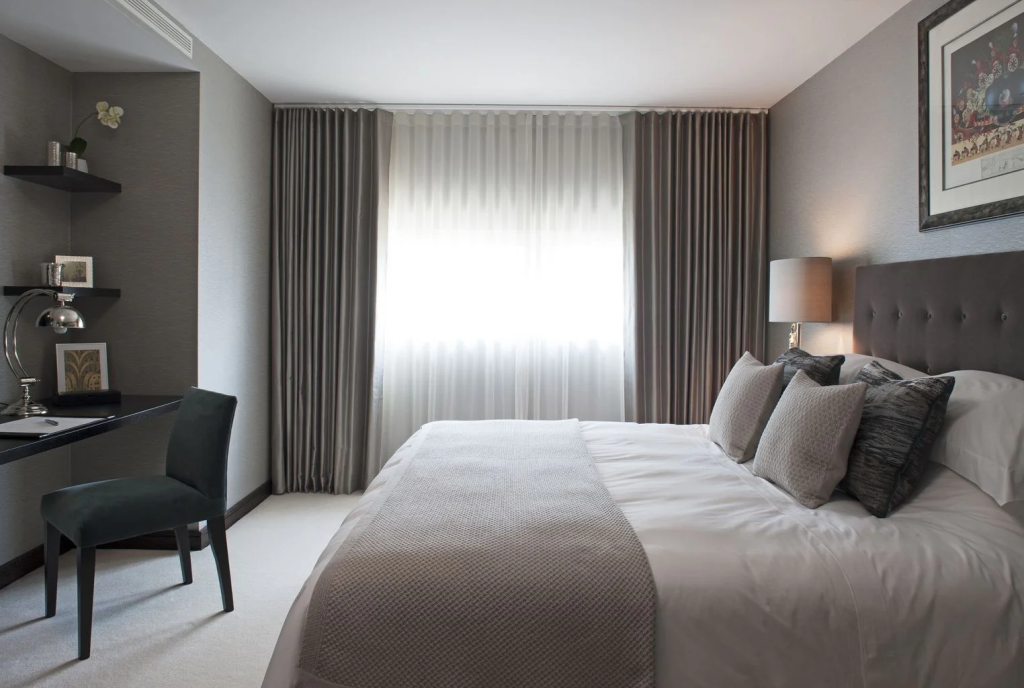
Sleep tourism refers to travel experiences deliberately engineered to optimize your rest. Expect extras like pillow menus matched to your sleeping position, rooms that block external light and noise, blue-light-free lamps, expert-developed bedtime meditations, cooling mattresses, even optional wearable trackers and coaching from sleep specialists. Some hotels and wellness resorts now design entire “restorative sleep” suites with temperature control, circadian lighting and sound masking.
Why now? The wellness tourism sector has rebounded sharply post-pandemic: it reached $651 billion in 2022 and is projected to hit $1.4 trillion by 2027, according to the Global Wellness Institute. Meanwhile, the science on sleep’s impact—on heart health, metabolism, mood, immunity, and longevity—keeps piling up. Global Wellness Institute | NIH
“People often associate travel with decadent meals…really almost at the cost of sleep. Now, there’s been a huge shift in our prioritization of wellness and well-being.”
Rebecca Robbins, PhD, sleep researcher at Brigham & Women’s/Harvard (via CNN Travel)
Source: CNN Travel | Dr. Robbins’s profile: Brigham and Women’s Hospital
Real-World Examples
- Equinox Hotel New York: climate-controlled “sleep rooms,” blackout shades, soundproofing, and “Regenerative” programs. Equinox Hotel
- Six Senses “Sleep With Six Senses”: sleep tracking, personalized coaching, and bedroom optimization. Six Senses
- Park Hyatt New York’s Bryte Restorative Sleep Suite: adaptive mattress + guided relaxation. Park Hyatt
- Zedwell London: windowless, cocoon-like rooms built to eliminate light and noise. Zedwell
Does Sleep Tourism Actually Help?
Short answer: It can, especially if your main barriers are environmental (light, noise, temperature) or stress-related. Optimizing your sleep setting is a cornerstone of behavioral sleep medicine and CBT-I (cognitive behavioral therapy for insomnia)—the gold-standard, first-line treatment for chronic insomnia. American Academy of Sleep Medicine | NICE (UK) Insomnia Guideline
But be realistic: one perfect weekend won’t permanently erase months of short sleep. Recovery sleep helps, but research suggests the benefits of catching up are partial and don’t fully reverse performance deficits from chronic restriction. Consistency back home matters more. Sleep (Banks et al., 2010) | CDC: Chronic sleep loss
How to Improve Your Sleep Without a Passport
Can’t jet off for a “rest-cation”? Here are four evidence-based habits you can start this week—plus a few optional upgrades inspired by sleep-forward hotels.
1) Get Outside Early—Every Single Morning
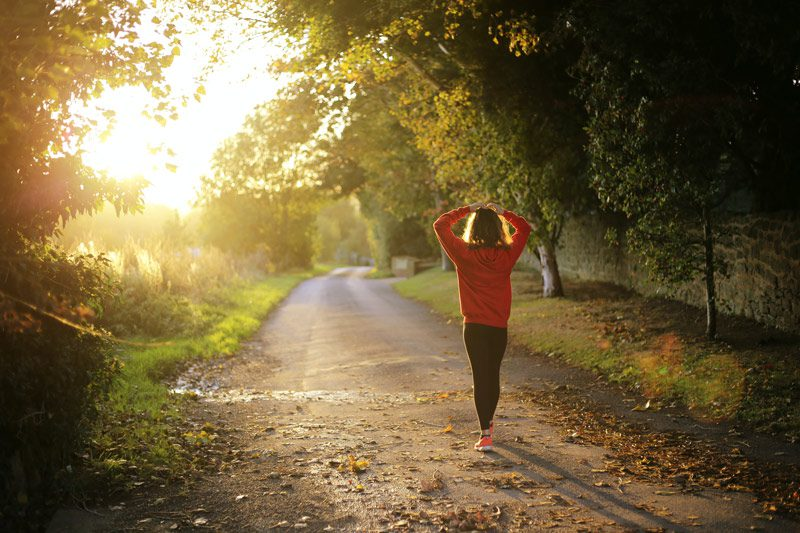
Morning light is the single most powerful cue (“zeitgeber”) for synchronizing your circadian rhythm. Even 10–20 minutes of outdoor light soon after waking can boost morning alertness and help you feel sleepy earlier at night. If it’s cloudy, add a few minutes; if it’s very bright, fewer minutes can do it. NIH: Light as a circadian signal | CDC: Getting enough sleep
Pro tip: Pair a 15-minute walk with your first coffee (but hold the sunnies unless you need them). It’s simple, free, and defintely effective.
2) Leave Your Phone Out of the Bedroom
Blue-enriched light from phones, tablets, and TVs in the evening suppresses melatonin and shifts your body clock later—making you feel wired at midnight. One controlled study showed e-readers before bed delayed circadian phase and reduced next-morning alertness compared with print. Harvard Health | PNAS (Chang et al., 2015)
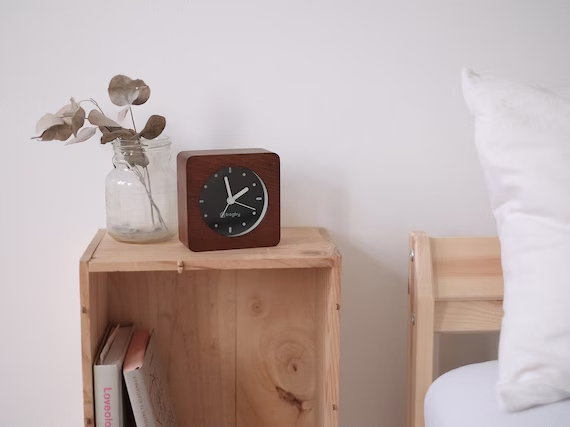
Practical fix: Park your phone outside the bedroom and use a $15 analog alarm clock. If you must have the phone in-room, switch on “night shift,” dim the screen, and set app limits after 9 p.m. Sleep Foundation
3) Move Your Body—Preferably in the Morning
Exercise improves sleep quality and reduces sleep latency. Morning workouts may give you a daytime alertness boost and make it easier to fall asleep later; if you train later, just wrap vigorous sessions at least 3 hours before bedtime. “Workout” can simply mean a brisk 20–30 minute walk. J Behav Med meta-analysis | Cleveland Clinic
4) Keep a Consistent Sleep-Wake Schedule (Yes, Weekends Too)
Shifting your sleep and wake times on weekends (aka “social jet lag”) can leave you groggy and undermine Monday performance. Aim to wake up within about an hour of your weekday time, every day. Your future self will thank you. SLEEP: Social jetlag research | CDC: How much sleep do I need?
Bonus Upgrades Inspired by Sleep-Focused Hotels
- Darken the room: Use blackout curtains or a sleep mask. Even dim light during sleep can impair glucose regulation. UChicago Medicine study
- Optimize temperature: Keep it cool—about 60–67°F works for most. Sleep Foundation
- Manage noise: A simple white-noise app or fan can mask traffic sounds. For apartments, try silicone earplugs with a proper fit. NIH: Environmental noise and sleep
- Create a wind-down: 20–30 minutes of low light + light stretching, reading on paper, or a short body scan meditation. NCCIH
- Watch caffeine and alcohol timing: Keep caffeine before early afternoon; alcohol may help you doze, but fragments sleep later in the night. Sleep Foundation | CDC
What Is “Sleep Opportunity,” and How Do I Calculate It?
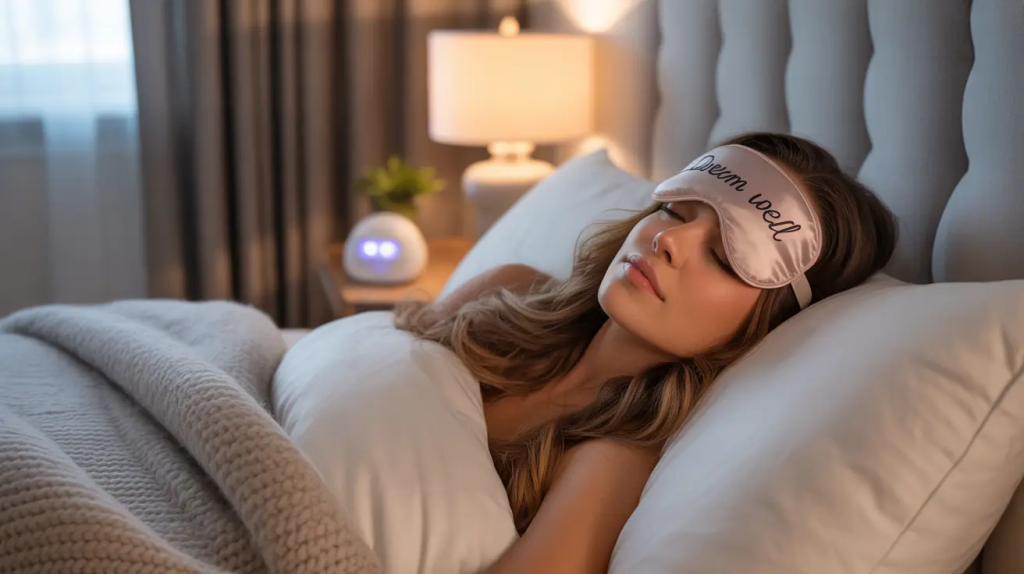
Sleep opportunity = your time in bed (TIB). Sleep is what happens during that window (total sleep time, TST). Most healthy adults need about 7–9 hours of actual sleep per night, but we don’t fall asleep instantly or sleep continuously. That’s why a realistic window in bed is often a little longer than your target sleep—typically sleep need + ~30–60 minutes for latency and brief awakenings. Sleep Foundation | CDC
A quick way to personalize it (used in CBT-I-style sleep scheduling):
- Track one week: Note when you get in bed, when you think you fall asleep, and wake times. Calculate average total sleep.
- Set your initial time-in-bed equal to your average total sleep + 30–45 minutes (not less than ~6 hours unless supervised).
- Pick a fixed wake time (anchor) that works every day. Set bedtime = wake time minus your TIB.
- Hold steady for a week. If you’re sleeping most of that window (≥85% sleep efficiency), expand TIB by 15 minutes. If not, hold or slightly reduce.
This approach can consolidate fragmented sleep and improve efficiency, but if you have medical conditions or severe insomnia, work with a clinician trained in CBT-I. AASM: CBT-I | Find a provider
When to See a Sleep Professional
DIY changes are a great start, but get evaluated if you notice:
- Loud snoring, witnessed apneas, morning headaches, or uncontrolled blood pressure (possible sleep apnea). NHLBI
- Insomnia ≥3 nights/week for ≥3 months, or daytime impairment. AASM
- Uncomfortable leg sensations at night relieved by movement (restless legs). NINDS
- Excessive daytime sleepiness despite 7–8 hours in bed (could be narcolepsy or another disorder). NINDS
You can start with your primary care clinician or a board-certified sleep specialist. Many evaluations can be done at home with modern sleep studies. Find an AASM-accredited center
A Few Final Thoughts
Sleep-focused trips are a fun spark—they remind us that rest is not a luxury; it’s a health essential. But the biggest wins come from what you repeat at home: light in the morning, fewer screens at night, some daily movement, and a steady wake time. Start there, then layer in environment tweaks. Honestly, you might be surprised how much better your nights feel within two weeks. And if you still struggle, that’s not a personal failing—it’s a solvable health issue. Get help early and protect your nights like the precious resource they are.
Sources and Further Reading
- CDC: Are You Getting Enough Sleep? Link
- Global Wellness Institute: Wellness Economy 2023 Link
- NIH: Sleep and Health Link
- Harvard Health: Blue light has a dark side Link
- PNAS: Evening use of light-emitting eReaders (Chang et al., 2015) Link
- Sleep (Banks et al., 2010): Cumulative sleep restriction and recovery Link
- AASM: CBT-I for Insomnia and Guidelines CBT-I | Guidelines
- NICE: Insomnia: assessment and management Link
- J Behav Med: The effects of physical activity on sleep (Kredlow et al.) Link
- SLEEP: Social jetlag and health Link
- NHLBI: Sleep Apnea Link
- NINDS: Narcolepsy, Restless Legs Syndrome Narcolepsy | RLS
- UChicago Medicine: Dim light exposure during sleep study Link


