



You know that frantic rummaging through a mountain of clothes to find one shirt—or the low-key panic when a surprise guest is 15 minutes out and the place looks like a tornado took notes? Been there. But here’s the twist most of us miss: chronic clutter isn’t only “too much stuff.” It can be a mirror of our inner life—what some organizers (and psychologists) call emotional clutter. When our space is perpetually messy despite honest effort, it may reflect grief, decision fatigue, ADHD-related executive function challenges, or just life overload. The good news: understanding what’s underneath the pile makes the pile easier to clear.

What the research actually says about clutter and your brain
We don’t have to guess. There’s a growing body of evidence connecting our physical environment with stress, attention, and daily functioning:
- Stress hormones and “stuff”: In a UCLA study of dual-income families, women who described their homes as cluttered had higher, more depressed afternoon cortisol patterns—think chronic stress, not just a bad day. Source: UCLA; full project detailed in Life at Home in the Twenty-First Century.
- Visual clutter competes for your attention: Neuroscience shows multiple stimuli in your visual field compete for limited neural representation, making it harder to focus. See work from the Princeton Neuroscience Institute (Princeton.edu) and review articles such as Kastner & Ungerleider on selective attention (PubMed).
- Order changes behavior: Experiments in Psychological Science found orderly environments nudge people toward healthier choices and conventional behavior, while disorder can spur creativity. It’s not good vs. bad—it’s tradeoffs. Source: Vohs et al., 2013.
- Clutter and well-being in adulthood: Research links excessive clutter with lower life satisfaction, especially among older adults. See Ferrari et al. (PubMed).
None of this means you must live in a magazine spread. Maximalism—with systems—can be deeply nurturing. If your bright pillows, art wall, and collectible display energize you and you can find what you need, that’s working. The warning lights flash when clutter repeatedly causes late bills, duplicate purchases (yep, buying another mascara because yours vanished somewhere on the counter), or rooms that never make it off the “I’ll tackle it Saturday” list. That’s when there’s usually a story underneath the stuff.
Meet the expert (and why the “inside job” matters)
Regina Lark, PhD, is the founder of A Clear Path and a board-certified professional organizer with specialized training in ADHD, chronic disorganization, and hoarding. She’s the author of Psychic Debris, Crowded Closets: The Relationship Between the Stuff in Your Head and What’s in Your Home. In her work (and honestly, in my own experience), the mess we see often maps to what we’re managing internally. The goal isn’t a showroom; it’s a home that reduces friction and supports your life.

Four evidence-aligned ways decluttering improves mental health
1) It rebuilds autonomy and boundaries
Each keep/toss/donate decision is an act of agency. That sounds small, but when life feels out of control, a hundred micro-decisions restore a sense of “I can” in a very literal way. This is especially powerful in shared homes, where ownership and responsibilities blur.
Why this helps: Autonomy is a core psychological need; making choices about your environment reinforces boundaries and identity. For background, see research on self-determination theory (SDT) and practical guidance on mental load from APA.
2) It helps metabolize grief and identity shifts
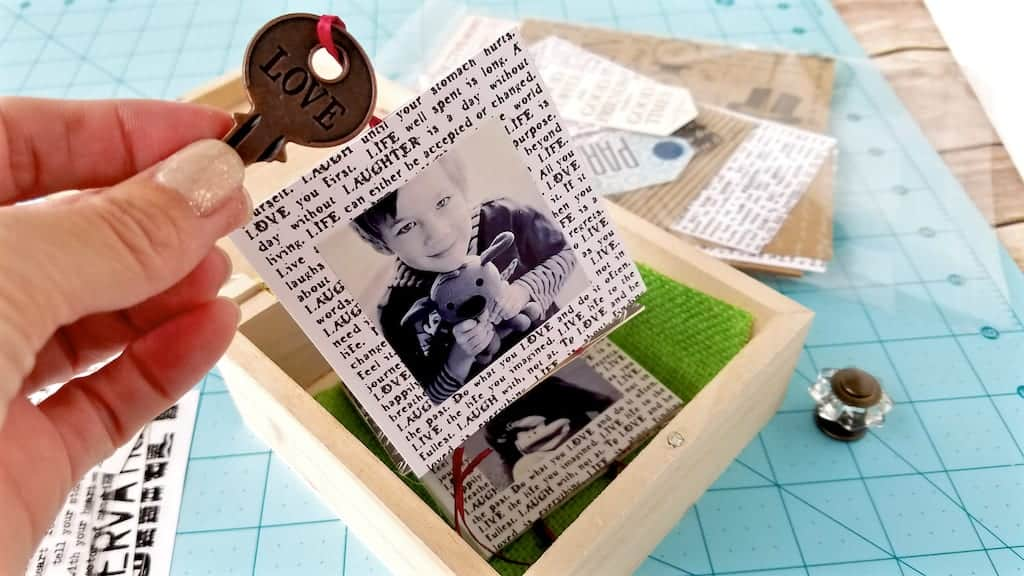
People often keep items because they represent a person, a memory, or a past self. That’s human. Letting go can feel like betraying the memory—so we don’t let go. One way through is to honor the meaning, not the molecule: take photos, write the story, keep one representative item, create a small “memory box,” or practice a ritual before releasing the rest. I’ve sat with clients who whispered a nickname before we paused to breathe and cry, then continued. You don’t “get over” grief; you learn to walk with it differently.
Why this helps: Grief theory recognizes “continuing bonds”—it’s healthy to maintain connection in new forms. Resources: American Psychological Association
3) It circumvents executive function bottlenecks
If ADHD, anxiety, depression, trauma, or TBI are in the picture, “just get organized” can be paralyzing. Break the task into ridiculously small chunks: 15-minute intervals, one shelf, one category. Use visible containers, labels, and timed sprints (the classic Pomodoro Technique) and externalize memory with checklists and calendars. This is not laziness; it’s brain-based. For more, see NIMH on ADHD, CHADD, and the Institute for Challenging Disorganization.
Why this helps: Tiny, winnable tasks reduce cognitive load, create quick hits of mastery, and build momentum. Over time, that becomes habit formation—see behavior design research from Stanford’s Behavior Design Lab.
4) It lowers cognitive load and anxiety
Every object silently asks to be stored, cleaned, used, or decided about. Fewer items = fewer open loops = calmer baseline. That’s not an aesthetic argument; it’s neuroscience and stress physiology. When the home is visually simpler, your attentional system doesn’t have to work as hard to filter noise, and stress hormones can chill out a bit (see UCLA and selective attention research).
Maximalism vs. mess: how to tell the difference (without shame)
- You can find what you need within 60 seconds.
- Surfaces reset to “clear enough” once a day (kitchen, desk, bathroom).
- No late fees or duplicate buys because of lost items (the “extra mascara” test!).
- Rooms are usable for their purpose—no chairdrobe blocking the closet forever.
If these aren’t true most weeks, don’t beat yourself up. It’s a signal to adjust systems, not a moral failing.
A practical, science-backed plan to start (even if you’re tired)
The 14-day “Clear a Lane” plan
- Days 1–2: Choose one “high-friction lane” (keys/wallet zone, bathroom counter, or entry drop spot). Declutter in 2 x 15-minute sprints per day. Use a timer. When time’s up, stop.
- Days 3–4: Give everything in that lane a “home.” Add a small tray or hook for keys, a bin for mail, a cup for everyday makeup. Label it (words matter).
- Days 5–6: Paper triage. Create three folders: To Pay, To Do, To File. Pay and do get handled within 48 hours. Schedule 15 min every Friday for paper.
- Days 7–8: One drawer, one shelf, one category (e.g., mugs). Apply the “container rule”: keep what fits comfortably. Donate the rest.
- Days 9–10: Clothing sprint. Fill one bag with obvious “no’s” (doesn’t fit, damaged, duplicates). Don’t overthink.
- Days 11–12: Sentimental box. Choose 10 items to photograph and 3 to keep physically. Write a few lines about each photo.
- Days 13–14: Maintenance rehearsal. Set two daily 5-minute resets (after dinner, before bed). Teach the household the reset routine.
Pro tip (and I mean this kindy): schedule your donation pick-up or drop-off before you start. An exit plan prevents “clutter migration” to the trunk of your car. Habitat ReStore, Salvation Army, and Goodwill often offer easy options.
If paper is your nemesis (it is for most of us)
- Stop the inflow: Go paperless on bills/statements where possible (CFPB on statements).
- Stand-up sorter by the door: New paper gets parked in To Pay / To Do / To Read only.
- Shredder + scanner: Scan must-keep docs; shred the rest. See IRS guidance on how long to keep records.
- Weekly 15: Calendar a non-negotiable 15-minute “paper power” block every week.
Health and safety dividends you can feel
- Indoor air quality: Less stuff = fewer dust reservoirs = easier cleaning. See EPA.
- Fall risk reduction: Clear pathways reduce trip hazards, especially for older adults. See CDC.
- Financial sanity: The U.S. has roughly one-in-ten households renting self-storage, with billions of square feet of rentable space—a sign many of us are paying to store indecision. Source: Self Storage Association.
Shared homes: make the invisible visible
- Zones, not battles: Assign areas and categories (e.g., shared tools vs. personal hobby bins). Label shelves and bins.
- House rules, kindly enforced: “One in, one out” for categories prone to overflow (mugs, water bottles, toys).
- Family reset ritual: 10-minute music-on tidy after dinner. Make it predictable and short.
- Decision rights: Each person decides on their own keepsakes; negotiate shared spaces separately.
Sentimental items: a gentle, step-by-step script
- Name the feeling first (sad, proud, guilty, thankful). It’s normal.
- Ask: “Is the story in the object, or in me?” If it’s in you, photograph it and write the story.
- Choose one “hero” item per person or era; store it in a clearly labeled memory box.
- Ritualize the release (a note, a donation, a small goodbye). Grief deserves a container, too. See APA resources on grief.
When to call in pros (or talk to a clinician)
If rooms become unusable, safety is compromised, or discarding causes extreme distress, it may be more than “messy.” Hoarding disorder is a recognized condition in DSM-5 with effective supports. Start here: NIMH: Hoarding Disorder, find trained organizers via the Institute for Challenging Disorganization, or locate therapists experienced in CBT for hoarding through your insurer or APA Help Center.
Tools that make the work easier (no overbuying, promise)
- A timer you like (phone, cube, kitchen)—to protect sprints and stops.
- Clear bins with labels—your future self shouldn’t have to guess.
- Vertical storage (hooks, pegboards)—gets things off floors and counters.
- Scanner app and shredder—for paper control (follow IRS record-retention rules).
- “Exit plan” supplies—donation boxes, trash bags, scheduled pick-up.
Honetly, the best “organizing product” is deciding what doesn’t have to live in your house anymore. Products support decisions; they don’t replace them.
Quick FAQ
- Do I need to be a minimalist? No. You need systems that match your life. If you can find things fast and your home feels calm enough, you’re good.
- What about “dopamine décor”? If colorful, maximal spaces make you happy and are functional, enjoy. If they tip into chaos, add containers and stronger editing rules.
- How do I keep momentum? Schedule two 5-minute resets daily and one 15-minute project block weekly. Habit > heroics.
Final thought: you’re not trying to earn gold stars from the internet. You’re building a home that supports your actual, busy, imperfect life. If you sometimes buy a second mascara because the first one hid behind the sink pipe—same. Start small, make it winnable, and let the calm compound.
Further reading and sources
- UCLA’s Center on Everyday Lives of Families: Clutter and cortisol; book: Life at Home in the Twenty-First Century
- Selective attention and visual competition: Kastner & Ungerleider, 2000; overview at Princeton Neuroscience Institute
Disclaimer: This article is for educational purposes and isn’t medical advice. If clutter is causing significant distress or safety issues, or you suspect hoarding disorder, please consult a licensed clinician.


