


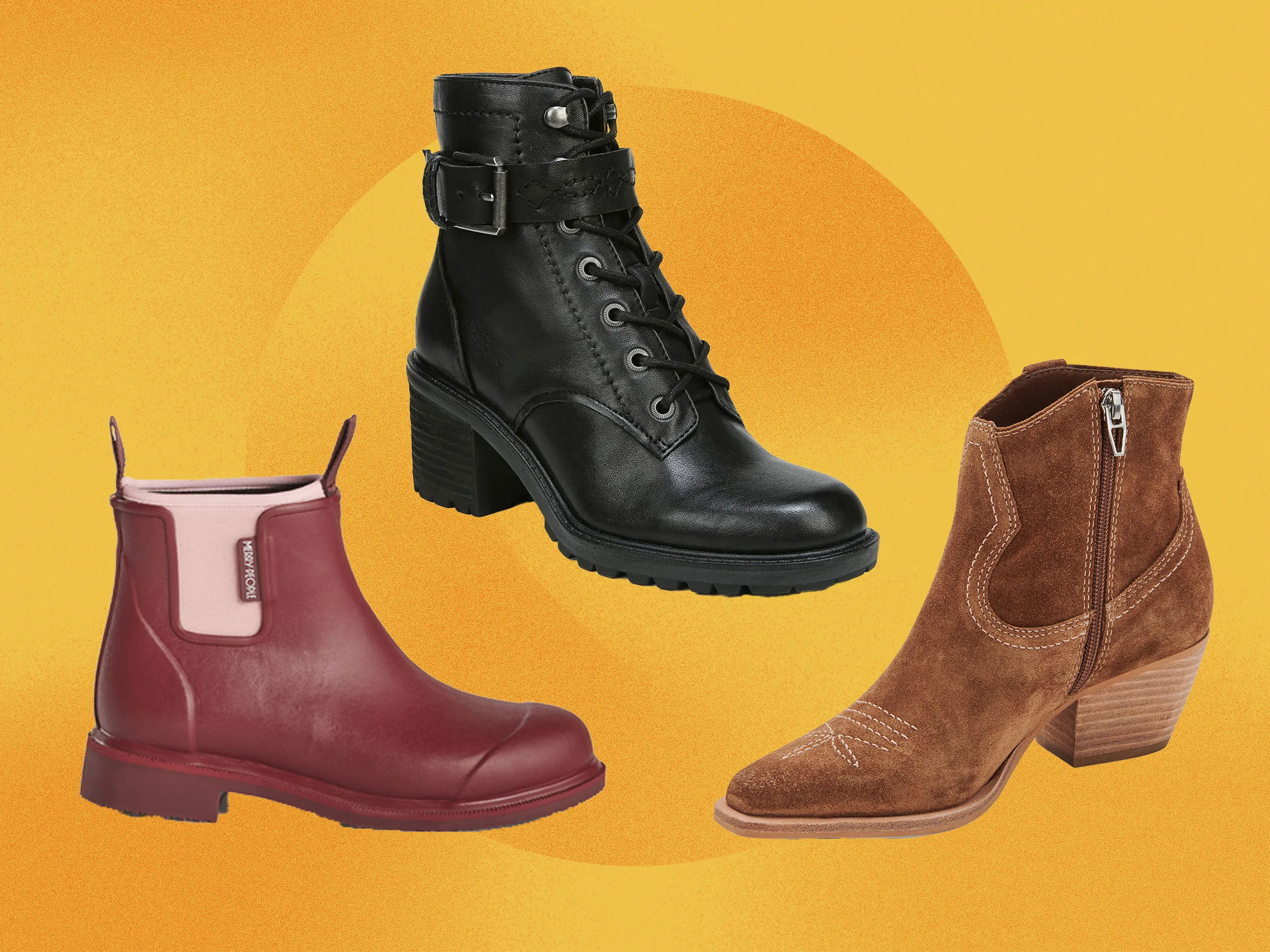
The most comfortable boots are the pairs you can slip on straight out of the box and forget about—no heel rub, no pinky-toe mutiny, no “I brought Band-Aids just in case.” After sifting through hundreds of styles (and plenty of reader/editor road tests), I narrowed things down to ten ride-or-die boots that deliver on cushioning, support and walkability—whether you’re hoofing it to work, dancing until last call, or trudging through slush season. Along the way, I leaned on podiatry guidance about heel height, toe-box shape and support, so you’re not just getting cute picks—you’re getting smart ones, too.
How I Chose (and What Comfort Really Means)
- Design & support: Boots needed a stable base (stiffer shanks/soles > floppy ones), secure heel counter and either built-in arch support or removable insoles for orthotics. American Podiatric Medical Association • Harvard Health: common causes of foot pain
- Heel height sweet spot: For “all-day” comfort, many podiatrists recommend low, stable heels (about 1 to 2 inches) or platforms that distribute pressure more evenly. American Orthopaedic Foot & Ankle Society
- Roomy toe box: Gives the forefoot space to splay and reduces bunion pressure and nail trauma—especially critical in cold weather when socks are thicker. APMA on bunions
- Real-world tests: I prioritized boots that survived long city days, wet commutes and (let’s be honest) nights out that ended with a 17-minute walk home.
Editor-Loved, Podiatrist-Approved: The 10 Comfortable Boots
Best Podiatrist-Recommended Everyday Boot: Blondo “Dagger”
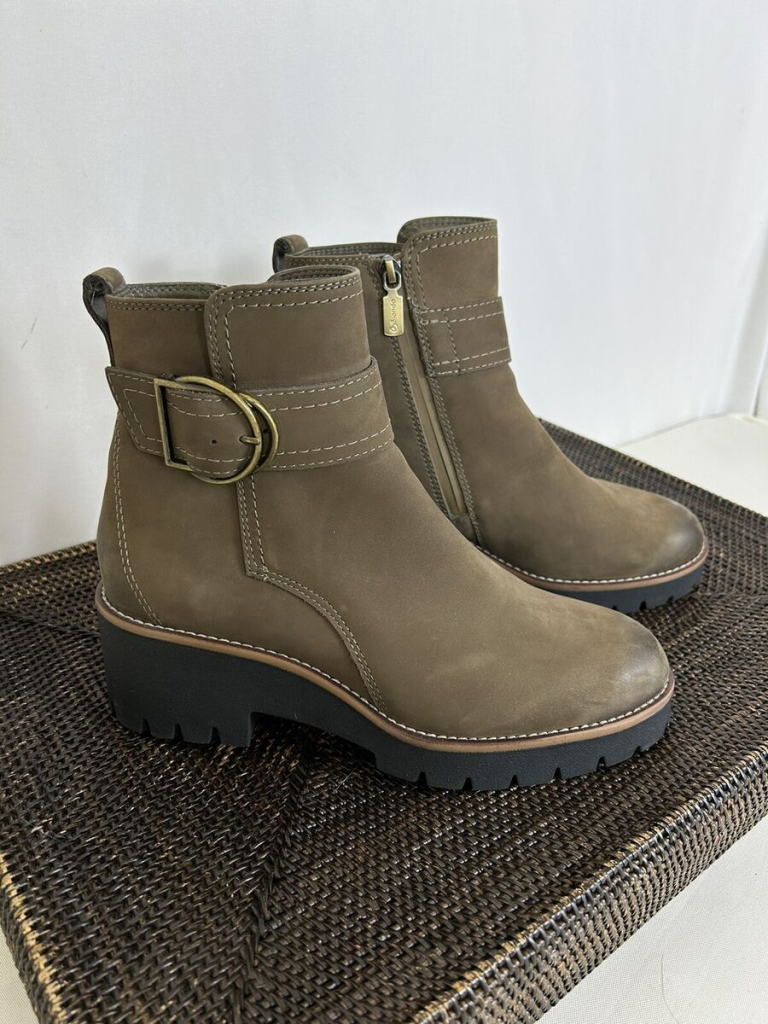
Why they’re great: Waterproof leather, slip-resistant outsole and a generous toe box. The ~1.5-inch stacked heel + subtle platform takes pressure off the forefoot while keeping your stride stable. Waterproofing isn’t just for rain—it helps reduce moisture accumulation (read: less bacteria/fungus risk). Blondo • CDC: moisture & athlete’s foot
Best Dress Knee-High: Inez “Belen” (Curved 2″ Heel)
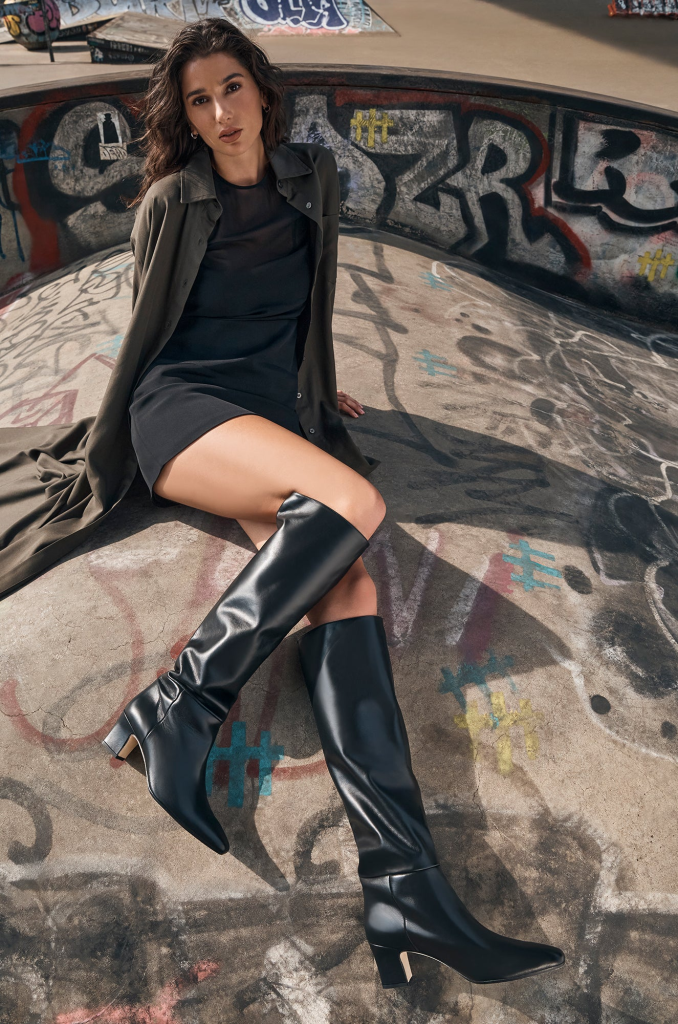
Why they’re great: Inez is known for balancing heel geometry with real support. The 2-inch curved heel feels chic but measured, and the pull-on shaft looks clean with skirts, slips and trousers. If suede is sold out, look for the brand’s leather colors—same fit foundation. Inez
Best Rugged Chelsea for City to Trail: Blundstone 550/585 Series
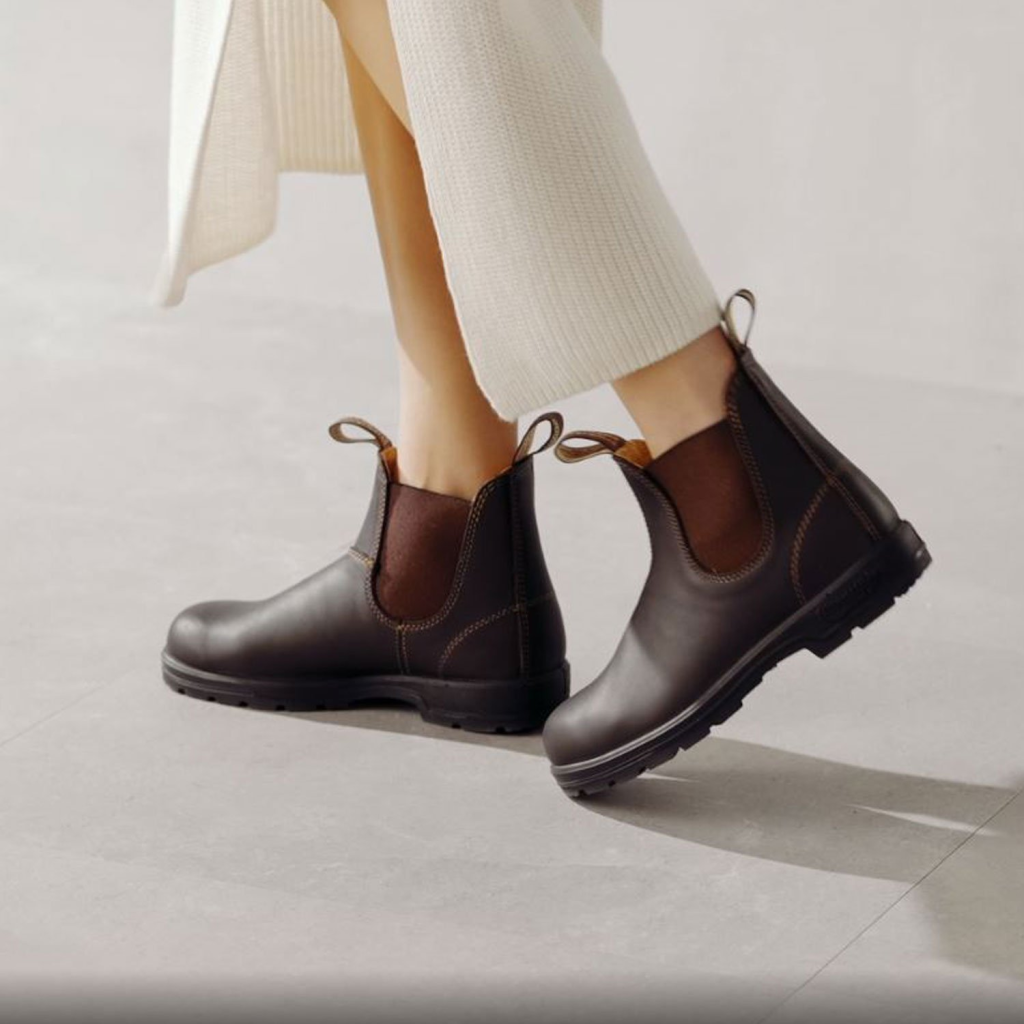
Why they’re great: Water-resistant leather, pull tabs for easy on/off, and shock-absorbing XRD™ in the footbed. They soften with wear and are famously easy to brush clean. Bonus: elastic gussets accommodate thicker socks. Blundstone
Best Smart-Casual Ankle Boot (Wide-Toe Friendly): Western-Meets-Modern Chelsea
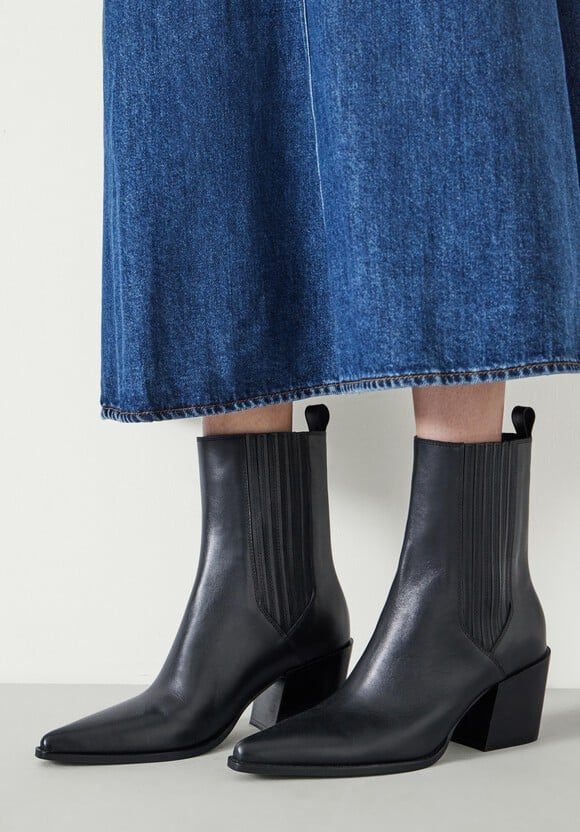
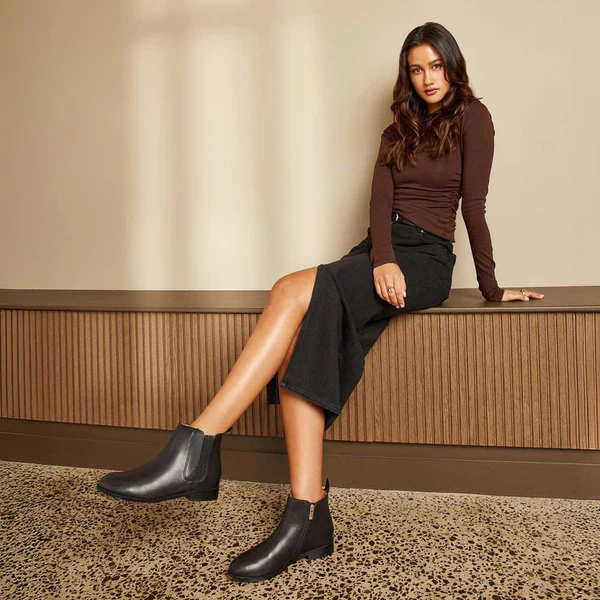
Why they’re great: A 1.5–2″ block heel reads dressy without punishing arches; side gussets add flex for entry without ankle slop; broader toe boxes keep forefeet happy. Look for rubber outsoles and removable insoles if you need orthotics. APMA footwear basics
Best Knit “Sneaker-Boot” Hybrid: VIVAIA Water-Resistant Stretch Chelsea
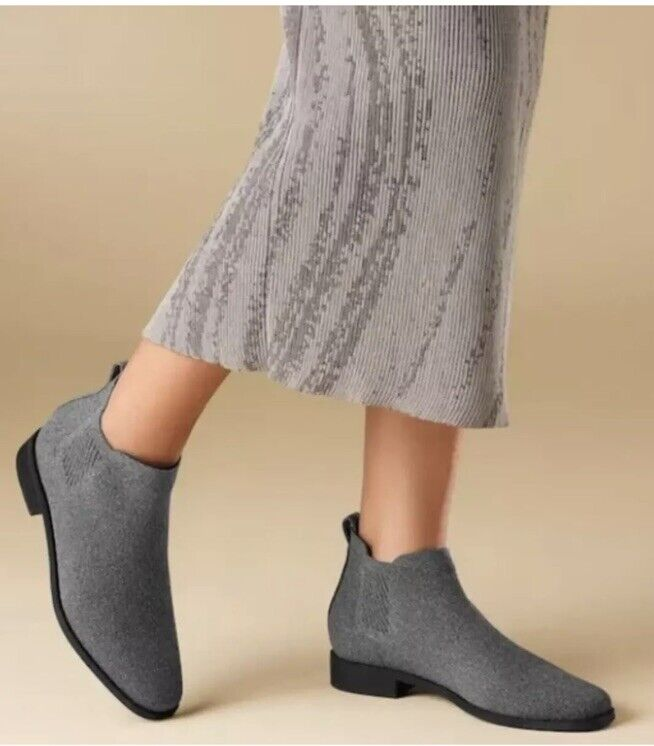
Why they’re great: Stretch knit uppers conform to foot shape (even over thicker socks) and a cushy insole + padded collar minimizes break-in hotspots. Water-resistant weave = commuter-friendly without full rubber boot vibes. VIVAIA
Best Cushy Knee-High for Wider Forefeet: Margaux “The Boot” (Multiple Widths)
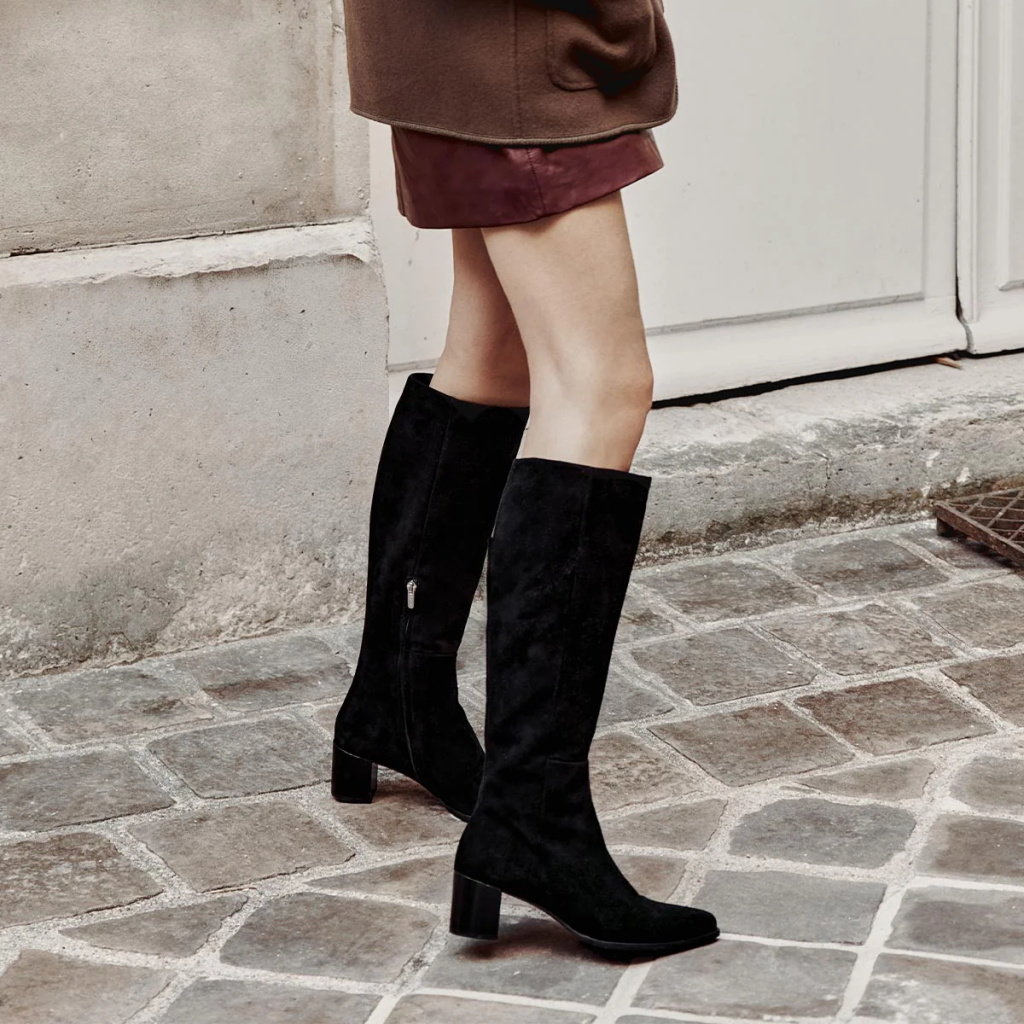
Why they’re great: The brand’s signature foam footbed + roomy toe box equals hours of comfort, and multiple widths help avoid pinch across the metatarsals. The 2–2.5″ heel is tall enough to lengthen, low enough to last all day. Margaux
Best Affordable Platform for Errand Days: Weather-Resistant Zip Platform Boots
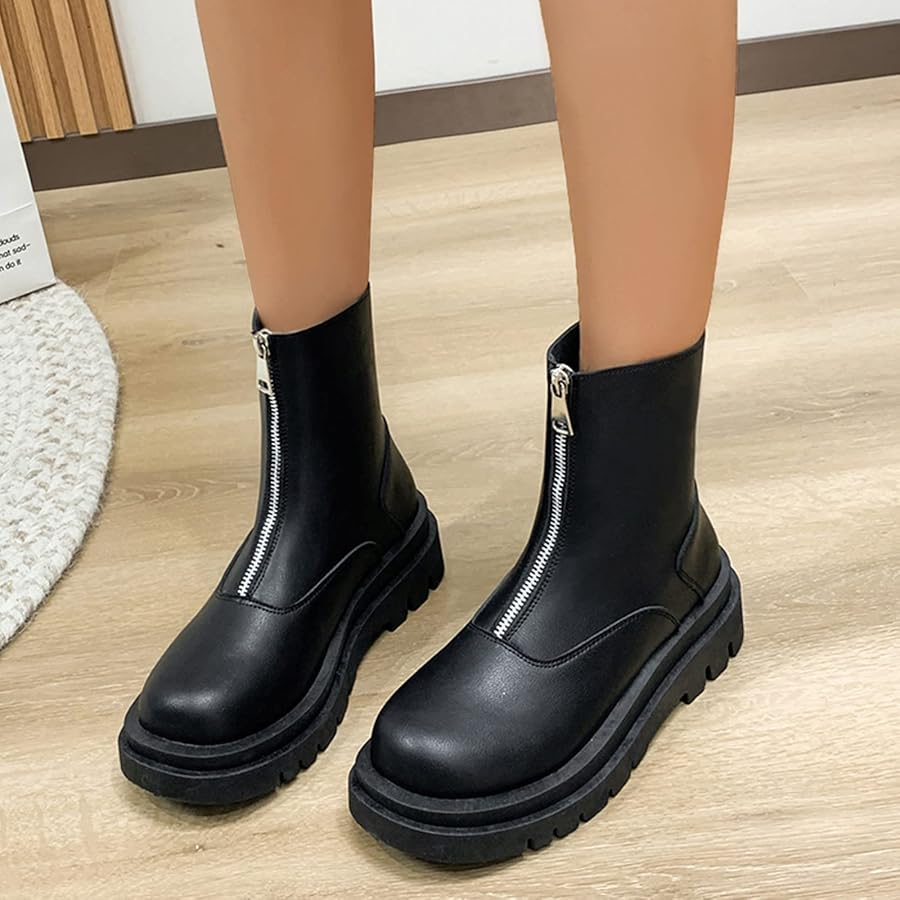
Why they’re great: A ~1–1.5″ platform distributes load more evenly than a steep heel, and a full-length zipper makes these a fast on/off option. If you’re between sizes or have wider feet, consider sizing up for sock room. AOFAS on shoe basics
Best Dance-All-Night Western: Mid-Calf Pull-On Cowboy Boot
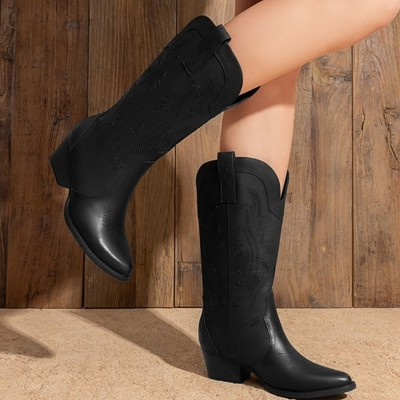
Why they’re great: Mid-calf height pairs with more hemlines than ankle or knee-high, a low angled heel keeps you moving, and pull-on shafts give a sleek 360° profile. Look for leather linings and rubber heel caps to reduce slip. (Pro tip: gel heel liners = zero rub on concert nights.)
Best Weather-Proof Dress Boot: La Canadienne “Basel” Suede Knee-High (City-Ready)
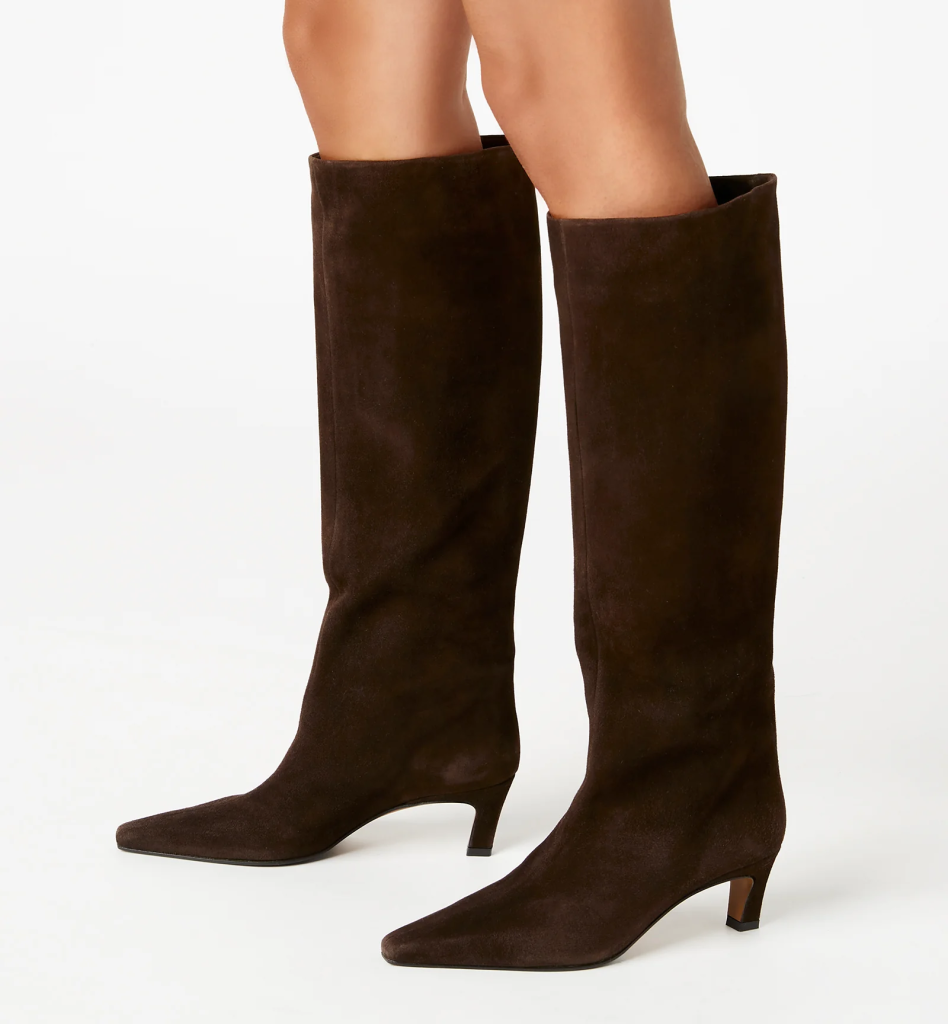
Why they’re great: Designed for serious walking and bad weather: waterproof suede, breathable linings, and a stable—not clunky—heel. Check EU–US conversion and consider sizing up if you’re between sizes or prefer thick socks. La Canadienne
Best Snow Boot for Real Winters: Sorel (Caribou/Joan-of-Arctic Family)
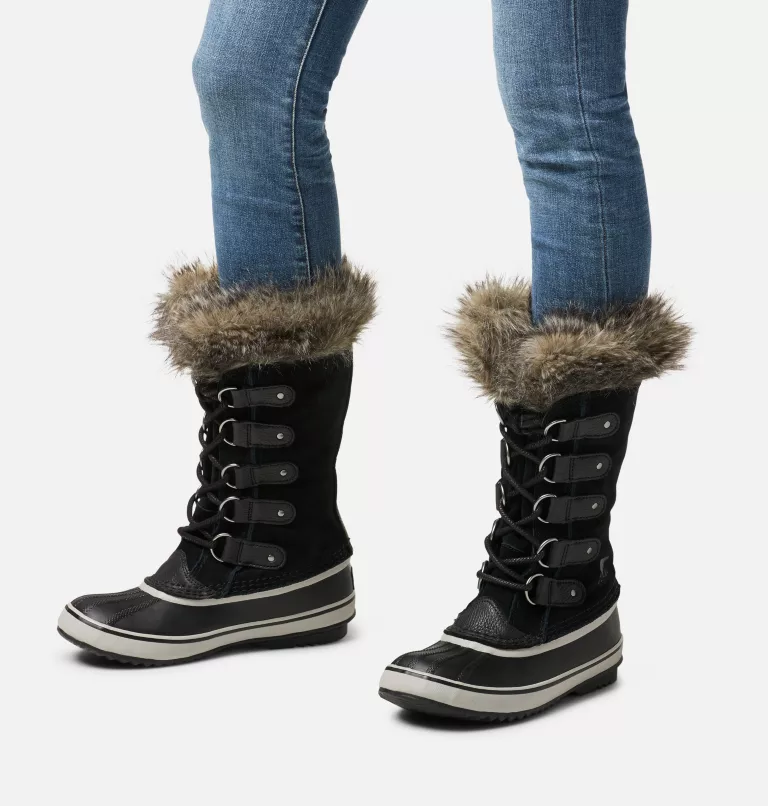
Why they’re great: Seam-sealed waterproof construction, grippy lugged outsoles, removable felt liners and a cuff that keeps snow out. Lace-ups let you dial ankle support and sock volume; many winter walkers size up ½ for heavyweight socks. Sorel
Boot-Buying Tips (Straight from Foot Pros)
Support & Sole Flex
You want a boot that bends at the toes, not in the middle (too floppy there = less support). Stiffer midsoles/shanks help reduce plantar fascia strain and arch fatigue on long days. Try the quick test: hold the boot at both ends and see where it folds. APMA footwear checklist
Arch Support + Roomy Toe Boxes
Narrow, tapered toe boxes can aggravate bunions and hammertoes over time. Look for anatomical footbeds or space to add your own insole. AOFAS on toe conditions • APMA on plantar fasciitis
Heel Height (and Why Platforms Help)
High, narrow heels shift weight onto the forefoot (hello metatarsal pain). Low block heels or modest platforms distribute load more evenly and are easier on knees and backs. If you want height, a 1–1.5″ platform with a moderate rise is far kinder than a 3″ stiletto. Harvard Health: when shoes make feet hurt
Leather vs. Suede vs. Knit: Break-In & Care
Good leathers and suedes mold to your foot with wear; knits conform on day one but rely on a dialed-in insole for support. To prevent blisters during break-in, try thick socks at home for an hour at a time. Store knits and suedes dry; waterproof sprays help, but follow material-specific guidelines. Consumer Reports: make shoes last longer
If You’re Hiking (or Just Walk A Lot)
Prioritize traction, a semi-rigid sole, supportive footbed and toe room. Heritage hikers like Merrell balance durability with comfort at a friendly price; for city trails, hybrid Chelseas with lugged soles are a stealthy alternative.
Fit Notes (So You Don’t Need Band-Aids)
- Socks change the math: Winterweight socks can “shrink” interior volume; if you’re between sizes, consider a ½ size up for cold-weather boots.
- Secure the heel: Your heel should stay put while the toe box allows wiggle room. Heel slip = blisters; cramped forefoot = hotspots and nail issues.
- Try at day’s end: Feet swell through the day—fit in the evening is more honest.
- Break-in plan: 1–2 hours indoors with thicker socks for the first few sessions. Add a blister balm along seams on day one (belt-and-suspenders strategy).
Bottom line: if a boot already feels comfy across the toes, doesn’t torque your arches, and keeps your heel seated when you walk, you’ve found a winner. The ten picks above pass that test—and then some.
Further reading: APMA Footwear Guide • AOFAS Shoes & Orthotics • Harvard Health on Foot Pain


