


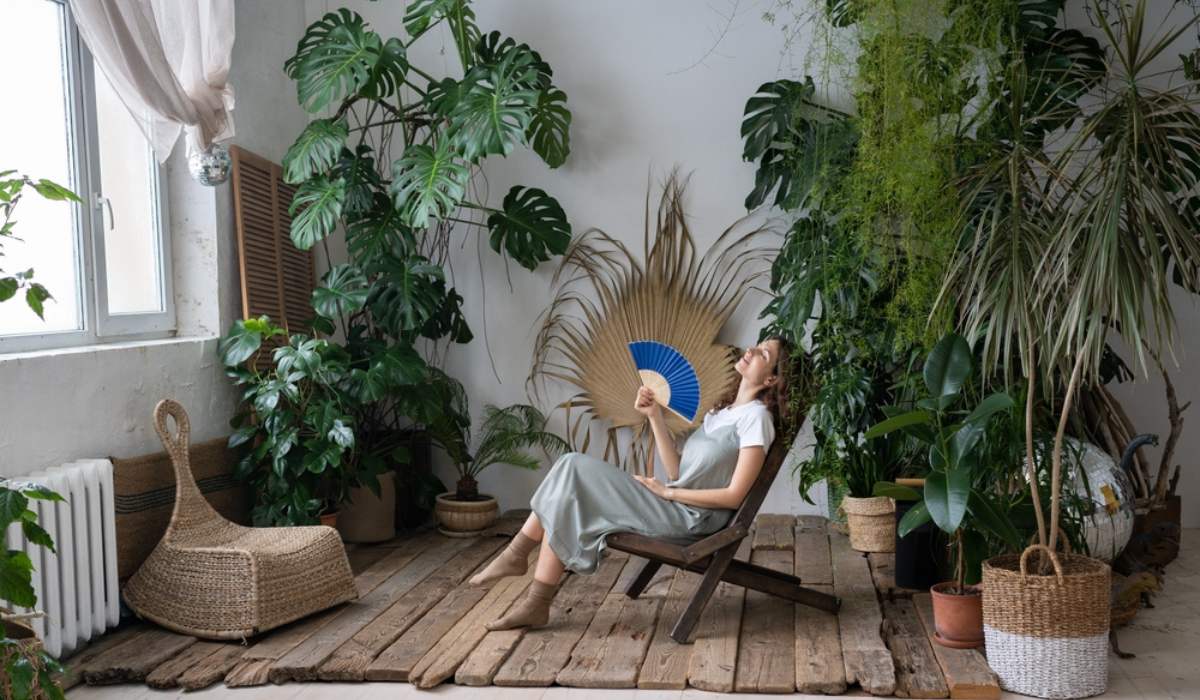
If the last few years taught us anything, it’s this: home is also our studio, spa, kitchen lab and—on many days—our sanctuary. We’re keeping the best at-home self-care habits going, but with a bit more science, sustainability and practicality. Below is a refreshed, research-aware guide to skin care, movement, and kitchen upgrades that genuinely make daily life easier (and a little nicer). No fluff, just what helps—and a few things to skip. I’ll sprinkle in quick notes from my own trial-and-error because, honestly, that’s how most of us figure this stuff out.
Quick reality check: the biggest wins still come from the basics—sleep, balanced nutrition, regular movement and stress management (CDC; NIH/NCCIH on yoga; Harvard Health on skin basics), so think of gadgets as helpers, not cures. It’s not rocket sience, but it is about consistency.
Skin & Facial Aesthetics: What Works at Home (and What to Watch)
Derms and aesthetic pros are aligned on this: consistent cleansing, gentle exfoliation, moisturization and sun protection are the pillars of healthy-looking skin (American Academy of Dermatology). Add-ons can help if you use them correctly.
1) Facial massage and vibration tools
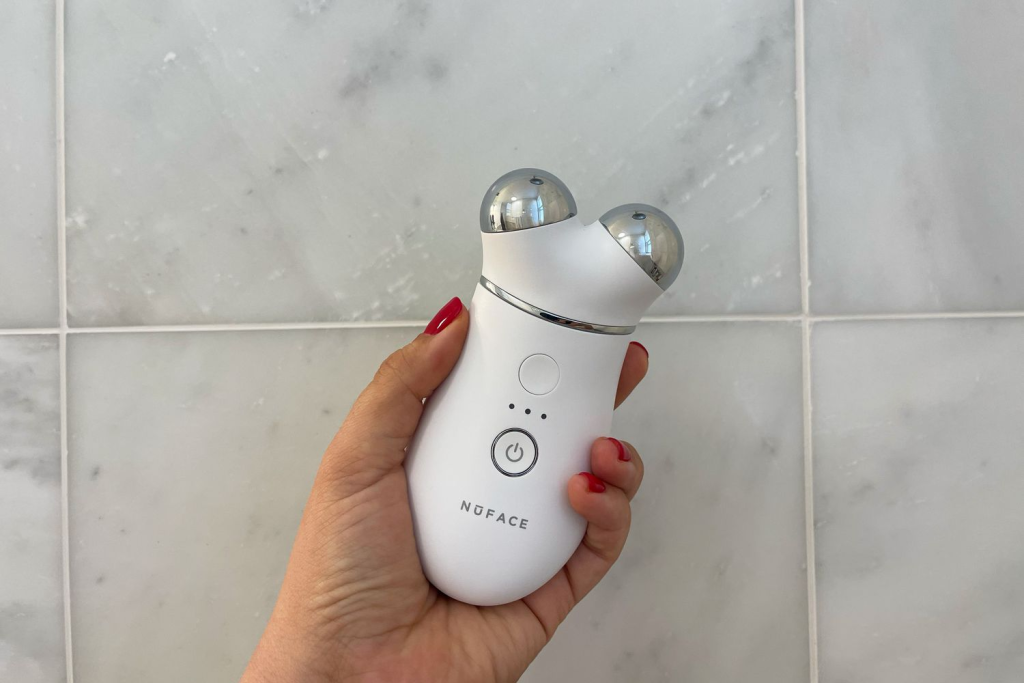
Manual facial massage (including simple hands-on techniques) may temporarily improve circulation and reduce morning puffiness by supporting lymphatic flow—especially around the periorbital area. Clinical evidence is modest, but lymphatic drainage techniques are well-established in other contexts (Cleveland Clinic). Vibration tools (for example, a 24K T‑bar style wand from pro makeup artist lines) add gentle mechanical stimulation that some people find de‑puffing before makeup or Zoom.
Reality check: tools don’t “erase” wrinkles; they may make skin look a bit more refreshed for a few hours. Quick technique tip I actually use: short upward strokes on cheeks and brow, then a few glides down the sides of the neck to encourage drainage. Skip broken skin and active acne.
About those “tech lines” on the neck: extended neck flexion (looking down at your phone) is linked to posture strain and pain (NIH). While massage may ease muscle tension, lines form from repetitive motion and collagen loss; long-term improvements come from sunscreen, topical retinoids (if tolerated) and better ergonomics.
2) At‑home microdermabrasion (go slow)
Professional microdermabrasion can help texture and minor discoloration. Home devices with diamond tips exist, but they’re not toys. The AAD recommends gentle technique, infrequent use (think every 2–4 weeks), and absolutely avoiding active acne, rosacea flares, or open lesions. Start at the lowest suction, patch test near the jawline and moisturize afterward. Over-doing it? Expect irritation and barrier damage.
3) Facial and body cupping: know the limits
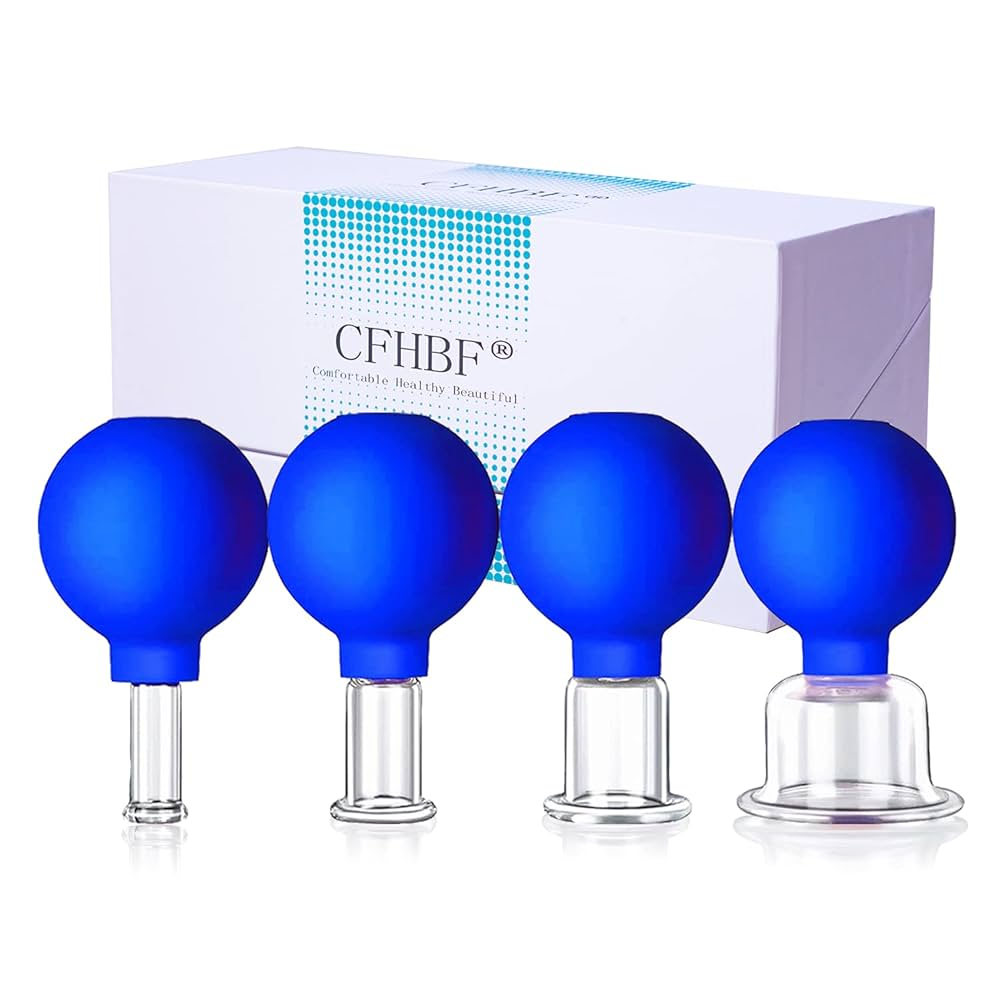
Cupping increases local blood flow and may relieve musculoskeletal pain, with low- to moderate-quality evidence in certain contexts (NIH/NCCIH). Facial cupping sets exist with smaller cups for the cheeks and jawline; used lightly, people report a transient “lifted” look from fluid movement. Be cautious: bruising can occur, and cupping isn’t advised if you’re on anticoagulants, have a bleeding disorder, or active skin disease. Keep it clean and move the cup—don’t park it on the face.
Smarter Kitchen, Healthier You
Sustainability and meal-prep habits are sticking around. They save money, reduce waste and—if you plan well—make healthy eating almost automatic.
4) Beeswax food wraps instead of foil for many uses
Washable, reusable beeswax wraps can replace some single-use plastics and foils for produce, cheese and baked goods. They’re pliable and compostable in many home systems, reducing landfill-bound waste (US EPA). Important: don’t use porous wraps on raw meat or fish—use dedicated, food-safe containers to prevent cross-contamination (USDA/FSIS).
5) Glass meal-prep containers beat “mystery plastic” in the microwave
Glass is inert, easy to clean and great for batch cooking. If you do use plastic, make sure it’s labeled microwave‑safe and vented; heat can increase chemical migration from non‑microwave-safe plastics (FDA). There’s ongoing research into endocrine-disrupting chemicals like BPA and certain phthalates (NIEHS on BPA; NIEHS on phthalates), so the simplest risk‑reduction step is to heat in glass or ceramic. Also: cool leftovers quickly and refrigerate within two hours (USDA).
6) Countertop helpers: from “robot” cookers to a simple citrus juicer
Multi-function kitchen “robot” cookers popular in Europe can sauté, steam, blend and even knead in one bowl—huge for weeknights. The value is in hands‑off, consistent results. If that feels like too much learning curve, a basic citrus juicer is delightfully low‑tech. Keep juice portions modest: even 100% juice concentrates sugar and lacks fiber. The American Heart Association suggests limiting added sugars overall; while pure juice isn’t “added,” it still spikes intake fast. Prioritize whole fruit when you can, per the US Dietary Guidelines. Personally, I use fresh lemon juice to make water feel “fancy,” which weirdly helps me drink more.
Movement That Sticks: Yoga, Mats and Micro-Motivation
Yoga’s gone from niche to mainstream for good reasons: it can improve flexibility, balance, stress and back pain for many people (NIH/NCCIH). It also counts as physical activity toward the CDC’s weekly movement targets.
7) Cushy, grippy yoga mats (the not‑dusty era)
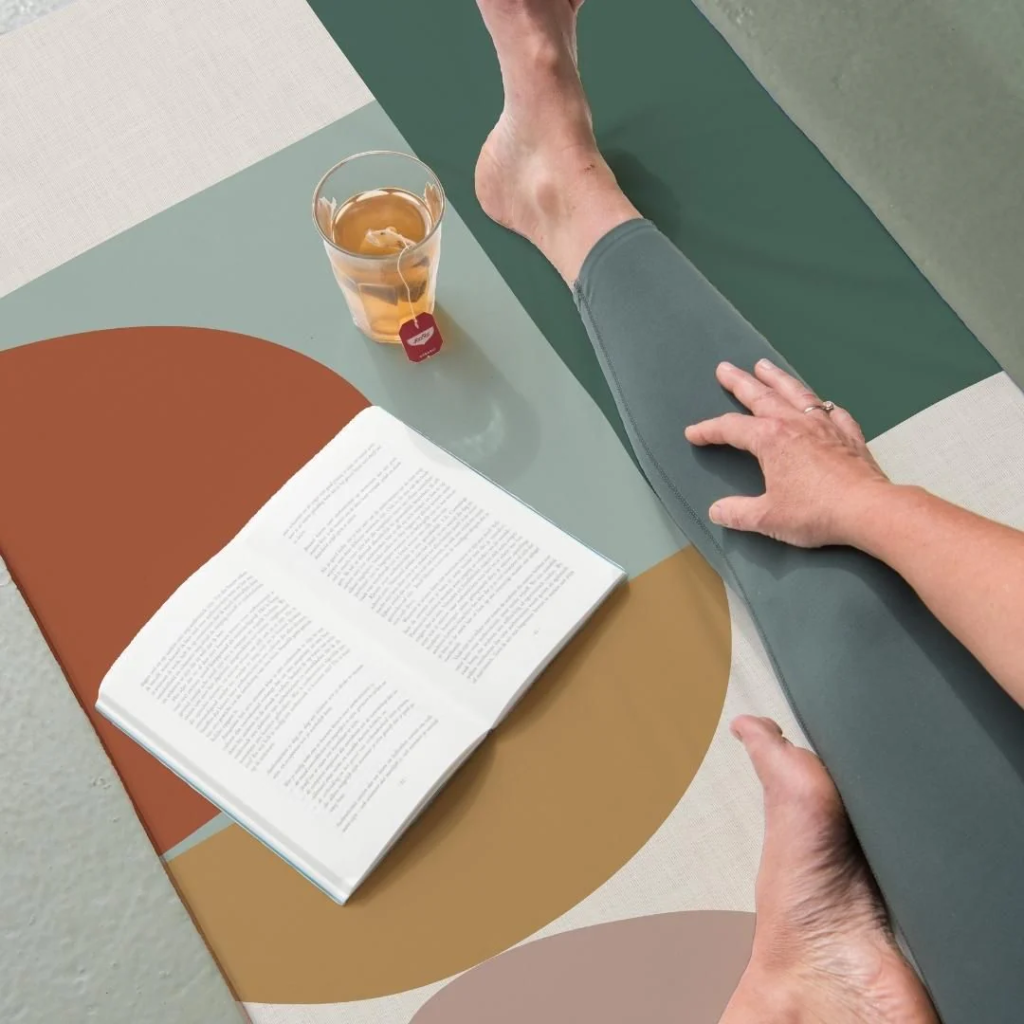
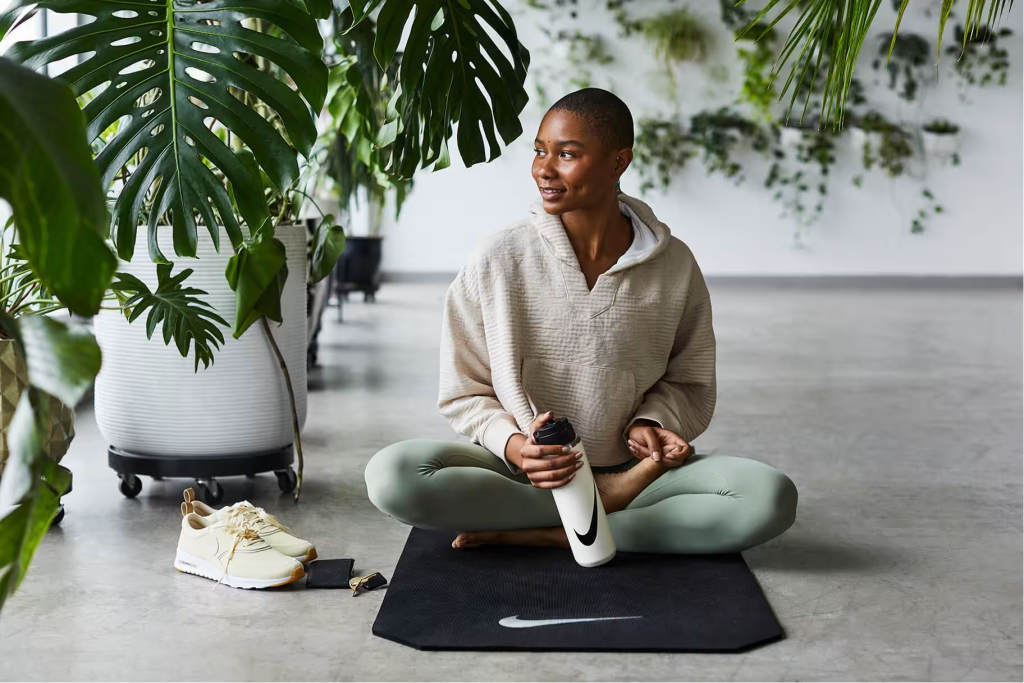
Thicker, printed mats are trending—functionally they can protect knees and wrists, while patterns can aid alignment. Look for good grip (important if you perspire) and materials that clean easily. Heavier closed‑cell mats tend to harbor less moisture; wipe-downs are simpler (CDC: Cleaning basics). If you practice balance poses, super‑thick mats can feel unstable—trade-offs are normal.
8) Matched sets and “enclothed cognition”
It sounds silly, but wearing a coordinated set (leggings + bra + coverup) can be a tiny nudge to show up. There’s actual psychology here: clothing can influence mindset and performance, a phenomenon called “enclothed cognition” (Northwestern study). If a bright orchid or crimson set makes you excited to move during short, grey days, that’s a legit adherence hack. I didn’t believe this one until I tried it—now it’s my Monday trick.
Five-Minute Habit Design (Because Willpower is Overrated)
Habit formation research suggests repetition in a stable context builds automaticity; many simple habits take weeks to months to “stick,” with large individual variability (UCL summary of Lally et al.). Start small, tie a new behavior to an existing one, and reduce friction.
- Stack a 60‑second facial massage onto nightly moisturizer.
- Pre‑portion tomorrow’s lunch into a glass container as you clean dinner.
- Roll your mat out before bed; it’s a silent “appointment” for the morning.
- Keep a citrus juicer and a bowl of lemons on the counter—visibility matters.
Safety Notes & What to Skip
Patch test skin devices and active products. If you have a skin condition (rosacea, eczema, acne), consult a board‑certified dermatologist first (AAD finder). Avoid facial cupping with bleeding risks or if you bruise easily (NCCIH). For kitchen plastics, only microwave containers labeled microwave‑safe; better yet, reheat in glass (FDA). And btw, no tool replaces sunscreen—daily broad‑spectrum SPF is the unsexy MVP (AAD on sun protection).
Quick-Start Checklist
- Skin: Gentle cleanser, moisturizer, daily SPF; optional: light facial massage tool; cautious use of at‑home microderm once monthly.
- Kitchen: A set of glass containers; beeswax wraps for produce/cheese; a simple citrus juicer or a multi‑function cooker if you meal-prep a lot.
- Movement: A grippy mat you love looking at; a matched set if it motivates you; 150 minutes/week of moderate activity as a target (CDC).
- Habits: Tiny, daily actions linked to existing routines; track wins, not perfection.
Final thought: upgrades are only “upgrades” if you use them. Choose the one or two changes that feel almost laughably easy. Consistency beats intensity every time.


