


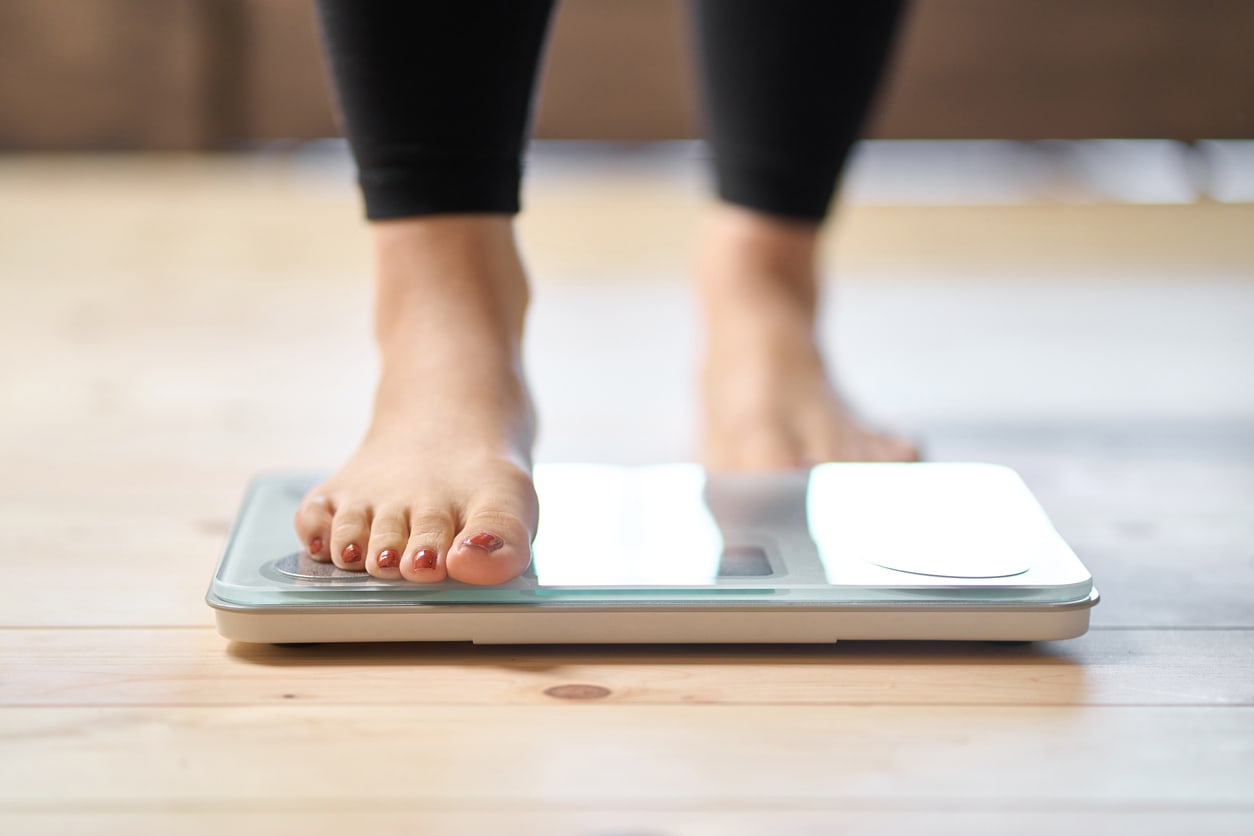
The holidays are for joy, family, and—let’s be real—pie. They’re also the season when routines get weird, sleep gets short, and “I’ll start in January” becomes a mantra. The good news: you don’t need a crash diet to feel good in your body through New Year’s. A few evidence-based tweaks can meaningfully reduce overeating, minimize bloat, and keep your energy up without killing the vibe.
Quick reality check: most people gain only a little weight during the holidays, but it tends to stick around. A classic study found average holiday gain of roughly 0.8 lb (0.37 kg), which can accumulate year after year if we’re not mindful. More recent data using smart scales show similar patterns across countries. That means small, sustainable habits really pay off.
Sources: New England Journal of Medicine (Yanovski et al., 2000); NEJM letter (Helander et al., 2016)

1) Drink smarter, not sadder
Alcohol is part of many celebrations. You don’t have to abstain to stay on track—just alternate. For every alcoholic drink, have one glass of sparkling water (with lime or bitters if you like a grown-up flavor). You’ll stay festive (bubbles!) and cut total alcohol calories—fast. A standard 5-oz wine is ~120–130 calories; a 12-oz regular beer is ~150; cocktails can run 200–300+ depending on mixers. Hydrating between rounds also reduces hangover risk and helps you pace naturally.
- Consider spritzers or a half-pour.
- Choose spirits with soda and citrus over sugary mixers.
- Plan your number of drinks before you walk in—decisions are easier when made early.
Sources: NIAAA “Rethinking Drinking” (calories and standard drinks); CDC alcohol basics (health guidance)

2) Don’t “save up” calories—preload instead
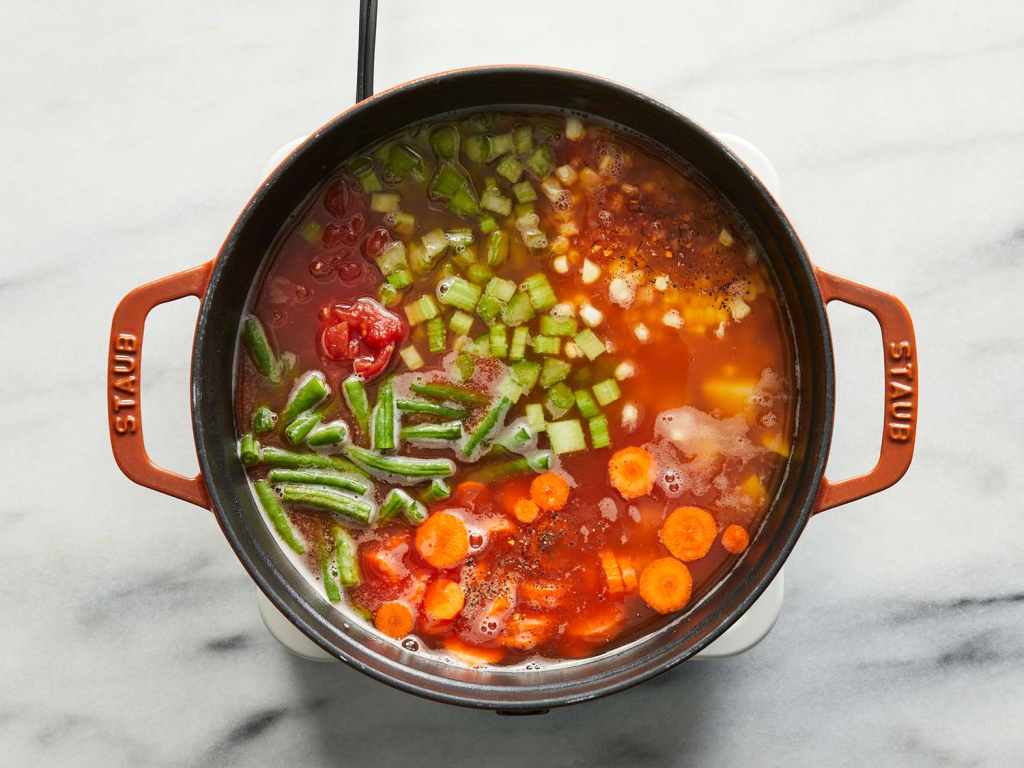
Arriving ravenous often backfires. Low blood sugar and stress hormones make hyper-palatable foods harder to resist. A strategic “preload” 1–3 hours before the event—think raw veggies with hummus, a small apple with peanut butter, a cup of broth-based soup, or a handful of nuts—can reduce later intake without killing your appetite for the good stuff.
- Low energy density foods (soup, salad, fruit) before a meal reliably reduce total calories eaten.
- Nuts provide protein and fat for satiety—keep portions ~1 oz.
Sources: Appetite (Flood-Obbagy & Rolls, 2009); USDA FoodData Central (nutrition profiles); APA on stress and eating (stress-eating link)
3) Bake all you want—chew gum while you do it
Holiday baking is a snack minefield. One weirdly effective trick: pop in a stick of gum while you cook. With your mouth occupied, you’re less likely to “taste test” every other minute. Evidence on gum is mixed, but a few small trials suggest it can slightly reduce snack calories and cravings. Honestly, this works for me—gum saved me from three “quality control” bites of frosting last year (which is, like, 150 calorires right there—oops, calories).
Sources: Appetite (Hetherington & Boyland, 2011); MedlinePlus on cravings and hunger cues (behavioral tips)

4) Skip “off-limits” rules—use flexible portions
Declaring foods “forbidden” tends to amplify cravings and can trigger rebound overeating. A smarter approach: choose what looks most worth it (Grandma’s potatoes au gratin? yes), serve a small portion, savor it slowly, and move on. This is called flexible restraint, and it’s associated with better long-term weight outcomes than rigid dieting.
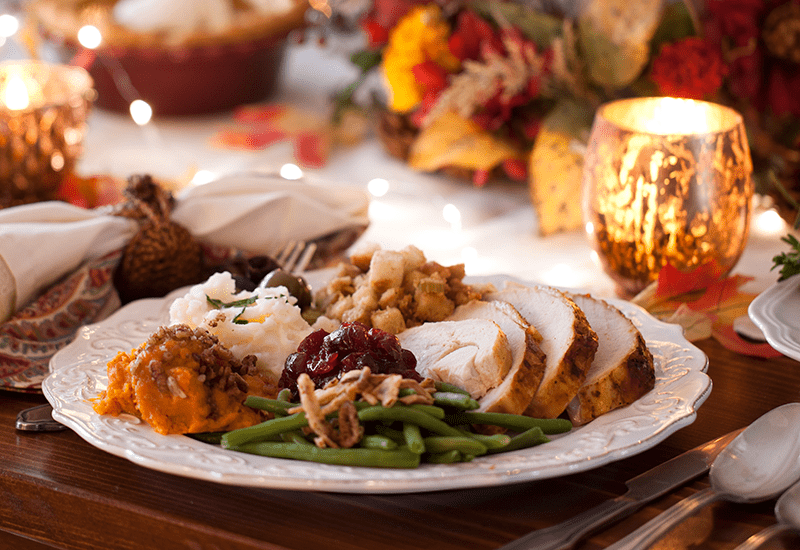
- Make half your plate veggies or salad; split the other half between protein and your must-have sides.
- Start with smaller portions. You can always go back if you’re still hungry.
- Eat the special things first; skip the meh stuff.
Sources: Cochrane Review on portion size and intake (Hollands et al., 2015); NIDDK on healthy eating patterns (overview)
5) Engineer your environment (send leftovers home)
If you’re hosting, pack guests a to-go box of the mega-rich dishes at the end of the night. You’ll wake up to a saner fridge and remove the most tempting choices from easy reach. At home, place fruit, cut veggies, or yogurt at eye level, and tuck calorie-dense foods behind opaque containers. Environment beats willpower at 11 p.m.
Food safety note: Per USDA, leftovers are generally safe for 3–4 days in the fridge; freeze if you won’t eat them by then.
Sources: Cochrane Review on portion/package effects (Hollands et al., 2015); USDA Food Safety and Inspection Service (leftovers guide)
6) Wear something slightly fitted
This is a behavioral nudge, not a medical rule. Clothes with a bit of structure (a fitted waistband, tailored dress) give you gentle feedback and can make mindless grazing less likely. Sequined muumuu? Maybe not. Lace skirt? Possibly yes. You’re not punishing yourself; you’re just using subtle cues to stay present. And yes, you still have full permission to eat three gingerbread cookies.
7) Guard your sleep like it’s your RSVP
Short sleep reliably messes with hunger hormones. Sleeping under ~5–6 hours is linked to lower leptin (satiety) and higher ghrelin (hunger), which can increase appetite and cravings the next day. During the holidays, aim for your usual 7–9 hours when possible, even if it means leaving a little earlier or protecting one “no plans” night per week.
- Keep caffeine earlier in the day.
- Alcohol can disrupt sleep architecture—front-load drinks and cut off a few hours before bed.
- Wind down: low light, screens off, a short walk after dinner helps.
Sources: Annals of Internal Medicine (Spiegel et al., 2004); CDC sleep recommendations (how much sleep you need); NIAAA on alcohol and sleep/hangovers (effects on the body)

8) Move more (in small, realistic ways)
Workouts can slip this time of year, so shrink the target. Ten minutes still counts. Try a brisk family walk after a big meal (great for glucose control), a quick bodyweight circuit while cookies bake, or simply stand and mingle more than you sit. Accumulated activity supports appetite regulation, mood, and sleep quality.
- CDC/HHS recommend at least 150 minutes/week of moderate activity—think of holiday weeks as “maintenance” and keep the chain unbroken.
- Set micro-goals: 10-minute “movement snacks” 2–3x/day.
Sources: HHS Physical Activity Guidelines (Move Your Way); CDC physical activity basics (how much you need)

9) A simple holiday plate strategy that works
- First pass: fill half your plate with vegetables/salad.
- Add a palm-sized portion of protein (turkey, fish, beans).
- Pick two sides you truly love and take small scoops.
- Savor slowly; put the fork down between bites.
- Dessert: choose your favorite, share or go for a small piece, and enjoy without guilt.
Sources: Harvard T.H. Chan Healthy Plate (visual guide); USDA MyPlate (simple plate method)
10) Morning-after reset (not a “detox”)
- Hydrate: 16–24 oz water on waking; add electrolytes if you overdid alcohol.
- Protein + fiber breakfast (eggs + berries, Greek yogurt + chia, oats + walnuts).
- Short walk or light movement to re-energize.
- Return to normal meals—don’t “punish” with fasting; it often backfires.
Sources: NIAAA hangover basics (what helps, what doesn’t); MedlinePlus hydration (dehydration overview)

Bonus: A mini game plan for your next party
- Midday: normal balanced lunch (don’t skip).
- 2 hours before: small preload—veggie soup or apple + peanut butter.
- At the party: start with sparkling water; set an intention (e.g., two drinks total, plate your snacks rather than grazing).
- Food: one plate using the half-veg rule + two favorite sides; dessert: choose the best thing and savor.
- Home: send off leftovers, make herbal tea, aim for a reasonable bedtime.
None of this requires perfection. Aim for “better, not perfect.” The average holiday gain is modest; consistent, kind-to-yourself habits are what keep it from compounding. And, frankly, the holidays are about connection—eat the special foods you love, just with a bit of strategy and a lot of enjoyment.
More trustworthy resources: CDC Healthy Holidays (practical tips); NIH Nutrition Source (holiday eating); American Heart Association sugar/alcohol guidance (balanced choices).


