


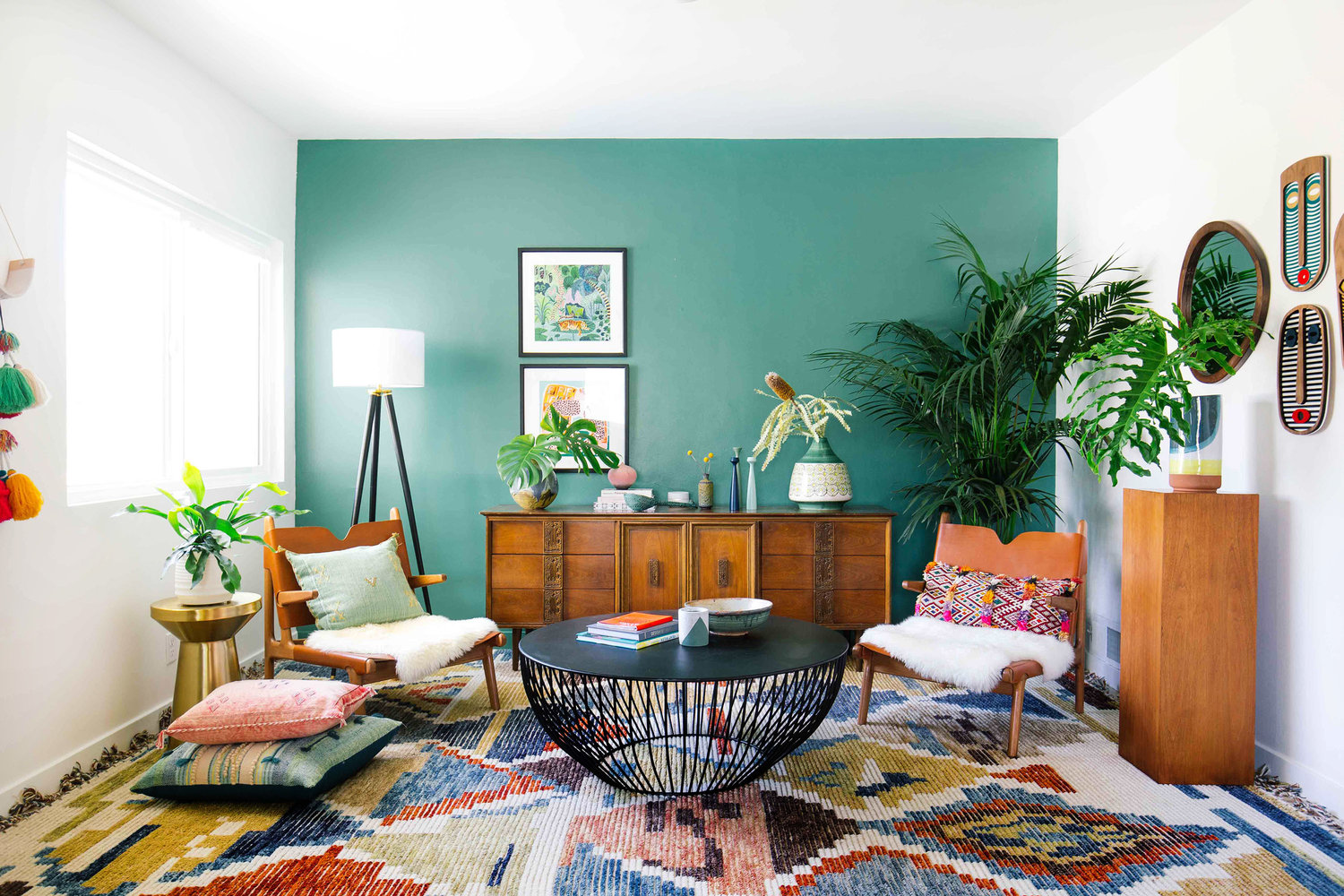
Refreshing a home can refresh how you feel in it—there’s real science behind that “ahh” you get after a tidy-up or a small upgrade. Environmental health researchers at Harvard’s Healthy Buildings program and the Lawrence Berkeley National Laboratory have long shown how air, light, acoustics and clutter shape how we sleep, focus and socialize. With that in mind, we toured the Brooklyn Heights Designer Showhouse—a historic townhouse reimagined by top designers—to pull out practical, space-savvy ideas you can borrow right now. Below are nine upgrades that look beautiful, make daily life easier and (bonus) are friendly to renters and older homes. I’ve added tips, sourcing notes, safety caveats and research links so you can copy them with confidence.
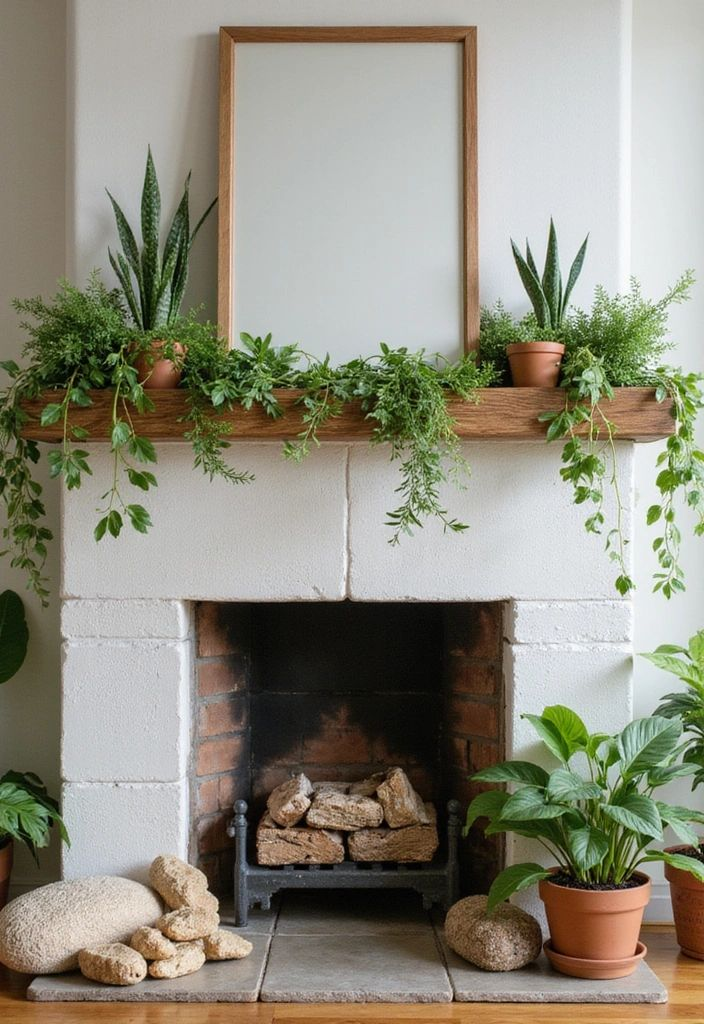
1) Revive a non-working fireplace with a lush fern (and make it a mini-biophilic moment)
Have a sealed or purely decorative hearth? Treat it like a planter niche. A large Boston fern can turn a dead zone into a focal point with color, texture and a bit of humidity. Biophilic design—bringing natural patterns and plants inside—is associated with better mood and perceived well‑being in multiple reviews and field studies (Terrapin Bright Green; Harvard Healthy Buildings). Just one caveat: confirm the fireplace is fully decommissioned and clear of soot to avoid dust and allergens (EPA), and if you have pets, choose non‑toxic species (Boston ferns are generally considered pet-safe; always double-check the ASPCA plant list).
Pro tip: Add flameless LED pillar candles behind the fronds for evening “glow.” If the hearth once vented gas or wood, have a pro cap or seal the flue (NFPA).
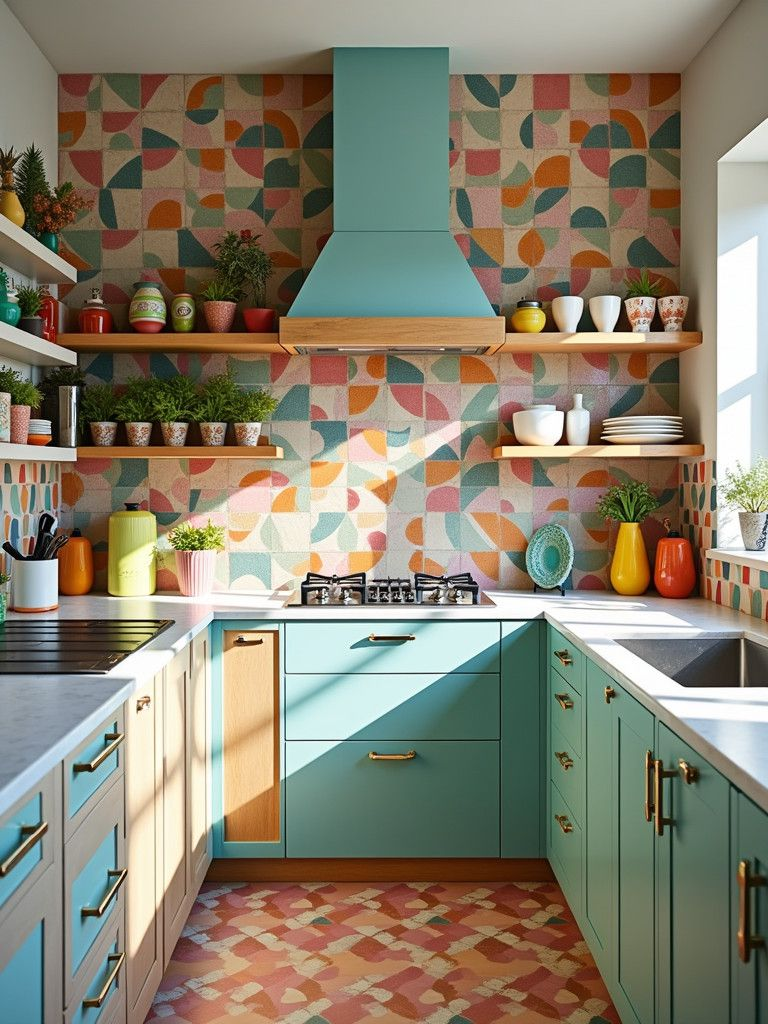
2) Inject a single, joyful “color pop” in the most utilitarian room (usually the kitchen)
A punchy backsplash panel, a painted pantry door, or even saturated cabinet interiors can shift the whole mood of a hard‑working room with minimal effort. If you rent, try peel‑and‑stick tile or removable vinyl; higher-quality options are now heat- and moisture‑resistant and remove cleanly when installed per instructions. Think about how color affects light: lighter hues bounce more daylight and reduce reliance on overhead fixtures, saving energy (U.S. Department of Energy on daylighting). Paint nerd note: a color’s Light Reflectance Value (LRV) tells you exactly how much light it reflects—higher LRV = brighter room (Sherwin‑Williams: What is LRV?).
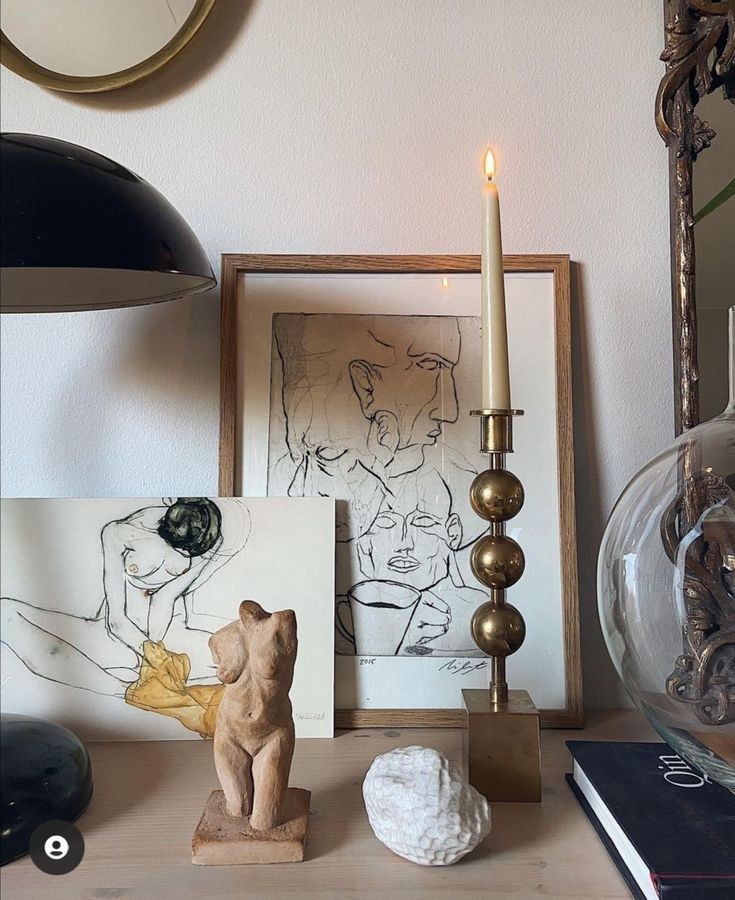
3) Think vertically: style the “forgotten” high spots
Above an armoire, on a pedestal in a window, or on the top shelf of a built‑in—these zones are perfect for sculptural moments and tall branches. Use odd-number groupings and vary height for rhythm. If sunlight hits the display, be mindful of UV on artwork and delicate materials (conservators recommend limiting light exposure and using UV‑filtering glazing for paper art; see the Library of Congress care guide for works on paper). Safety first: anything heavy should be secured with museum putty or a discreet bracket; always anchor tall furniture to studs to prevent tip‑over (CPSC Anchor It!).
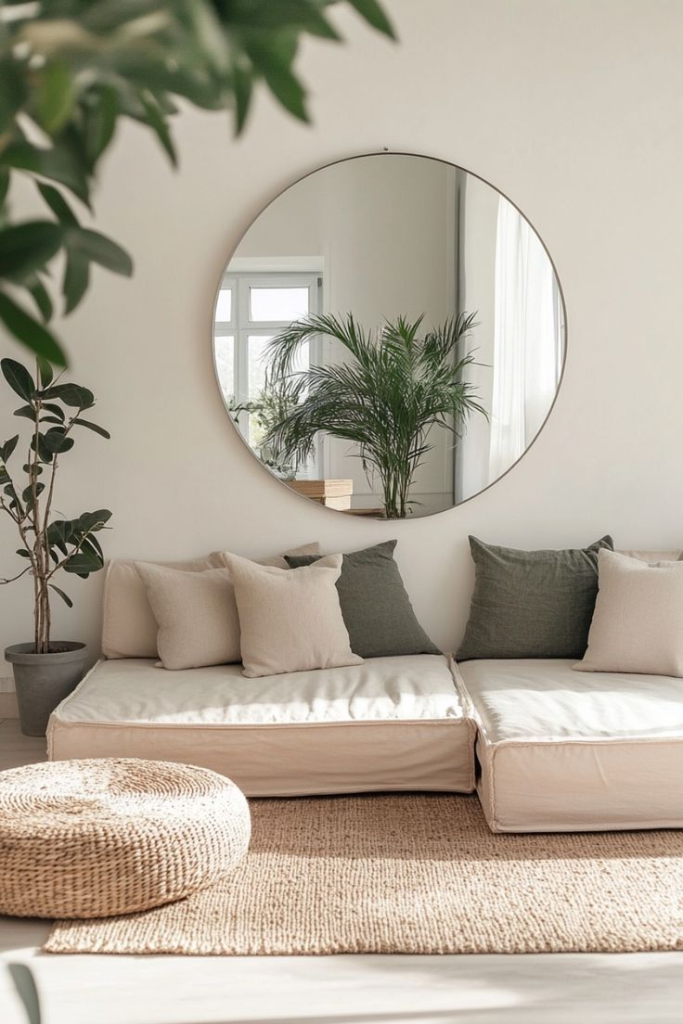
4) Oversize round mirror = instant light, air and scale
We’ve all seen it, and yes, it still works. A big circular mirror opposite a window bounces daylight deeper into the room and visually doubles square footage. Daylighting is not just a vibe; it’s tied to comfort and energy use (DOE; LBNL). Choose a mirror that’s at least two-thirds the width of the furniture it hangs over, and mount so the center is around 57–60 inches from the floor for natural sightlines. If you’re drilling into plaster in an older home, use the right anchors and locate studs; for very heavy mirrors, French cleats are your friend. Defintely don’t trust a single drywall screw here.
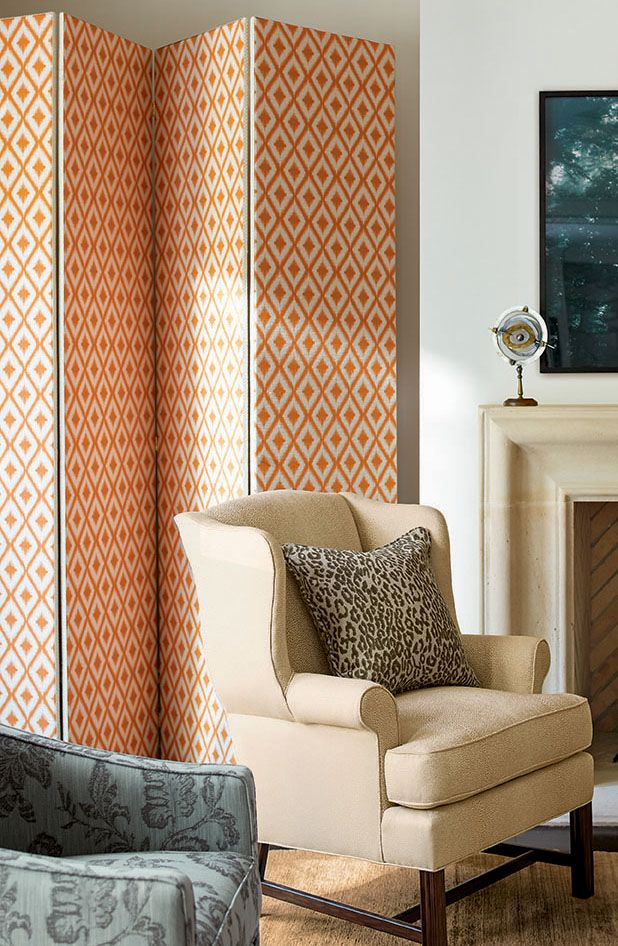
5) Use a folding screen as instant 3D “wallpaper”
Removable wallpaper is great, but a decorative screen adds depth, pattern and portability—no paste, no paint. Beyond partitioning, screens have centuries of design pedigree (from East Asian byōbu to European parlour screens). For a quick masterclass in their lineage and materials, see the V&A’s short history of the folding screen. In small spaces, look for woven or perforated designs that diffuse light. Bonus: screens subtly improve acoustics by breaking up slap‑echo in boxy rooms (Armstrong Ceilings: Sound basics).
6) Turn kids’ drawings into one streamlined, gallery‑grade piece
Corral the adorable chaos. Mount a large neutral canvas or pinboard, then rotate your favorite pieces and drape a playful garland across the top. The result looks intentional, personal and clean—not cluttered. For keepsakes you want to save long‑term, digitize them and store originals in acid‑free sleeves (Library of Congress: caring for photos/paper). If you’re framing, keep light levels modest to prevent fading; LED lighting with low UV is preferred (American Institute for Conservation: Light and display). Also, displaying children’s art at their eye level can encourage autonomy and conversation about creativity (the National PTA has great resources on arts in education).

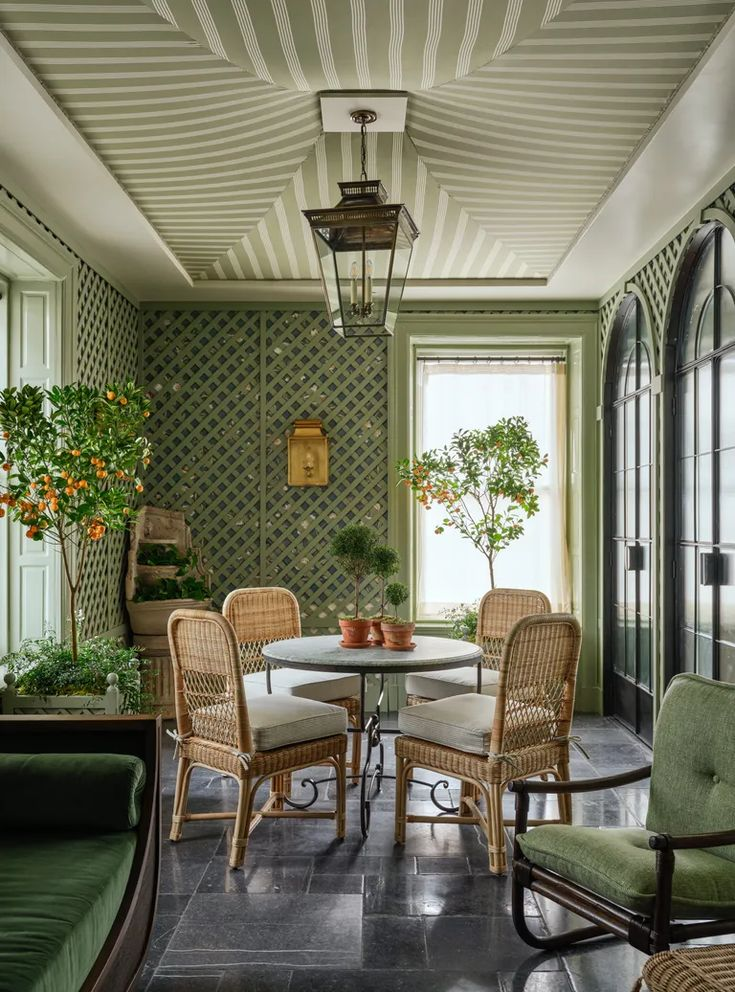
7) Add trellis or lattice detail to the ceiling for a garden-room vibe
Ceilings are blank canvases. A simple painted trellis overlay or lightweight molding brings pattern and a hint of conservatory style, especially in dressing rooms and sunrooms. In historic homes with plaster, predrill carefully and use appropriate anchors to avoid cracks; the National Park Service’s preservation brief on plaster is a gold-standard primer. If your ceiling hides junction boxes or access panels, design the pattern in removable segments so an electrician can still get in there. Wierdly specific, but you’ll thank yourself later.
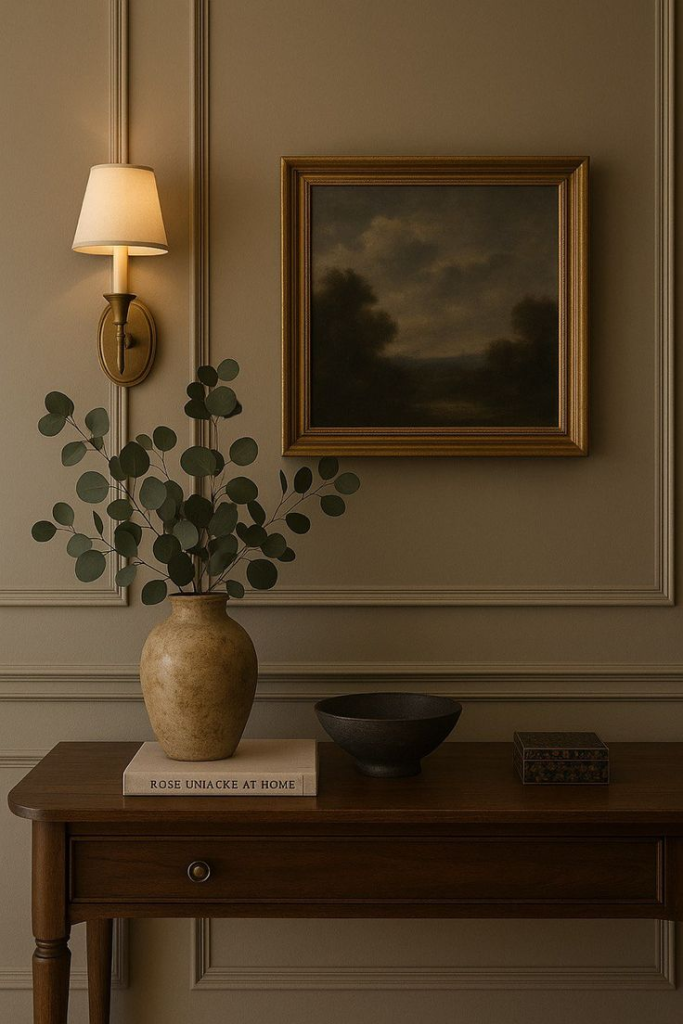
8) Frame a window with sconces to amplify height and airiness
Conventional wisdom keeps sconces away from daylight, but flanking a window can emphasize vertical lines and softly layer light at dusk. Use dimmable, warm‑white bulbs (2700–3000K) to avoid glare against bright window glass and aim for diffused shades. Good lighting design blends daylight with electric light for comfort and energy savings (DOE: Daylighting; ENERGY STAR: light bulbs). Mount heights vary, but centers are often 60–66 inches from the floor; test with painter’s tape before you drill.
9) Transform a spare closet or attic corner into a micro‑gallery
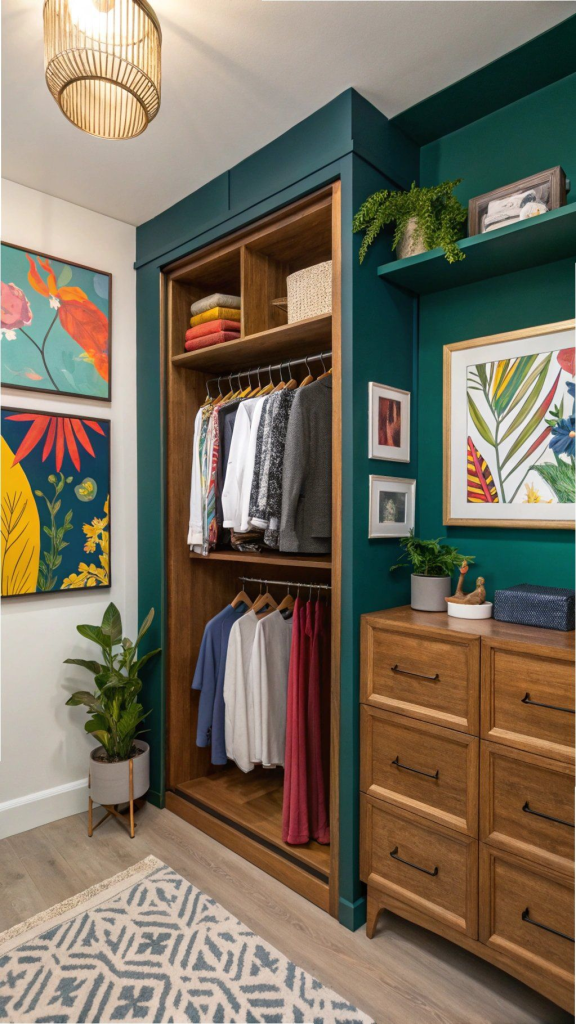
No spare closet? Same principle works with any awkward nook. Paint it one enveloping color, add a picture light or slim track, and install tight grids of frames or a sculptural installation. This is also a decluttering hack: by designating one “art home,” you edit the rest. There’s real cognitive upside to cutting visual noise—research from Princeton suggests clutter competes for your attention, reducing performance and increasing stress (Princeton Neuroscience Institute). If you need motivation to purge first, the UCLA Center on Everyday Lives of Families has eye‑opening work on how stuff creeps into every corner of our homes.
Why these small changes feel so big
Many of these ideas—plants, mirrors, light layering, decluttering—map directly to fundamentals in building science and environmental psychology: more daylight and better glare control improve comfort; greenery supports perceived restoration; controlled color and pattern organize the eye; and less clutter reduces cognitive load (Harvard Healthy Buildings; LBNL Windows & Daylighting). That’s why a fern in the fireplace or a single bold backsplash panel can feel like a whole‑home reset.
If you want more designer‑led inspiration from historic architecture, explore the latest projects from the Brooklyn Heights Designer Showhouse—and remember to adapt any idea to your space’s quirks, light and lifestyle.
Quick resources and safety notes
– Indoor air quality basics: EPA
– Daylighting and efficient lighting: DOE, ENERGY STAR
– Pet-safe plants: ASPCA
– Plaster and historic interior care: National Park Service
– Display and preserve art: Library of Congress, AIC
– Furniture and heavy object anchoring: CPSC Anchor It!
– Fireplaces and chimneys safety: NFPA
PS: If your home includes furry friends, a few small tweaks—covered trash, lidded hampers, cord management, pet‑safe plants—go a long way (Humane Society: pet‑proofing your home).


