


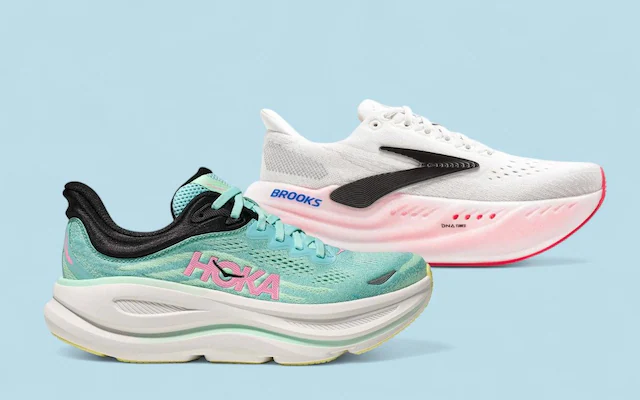
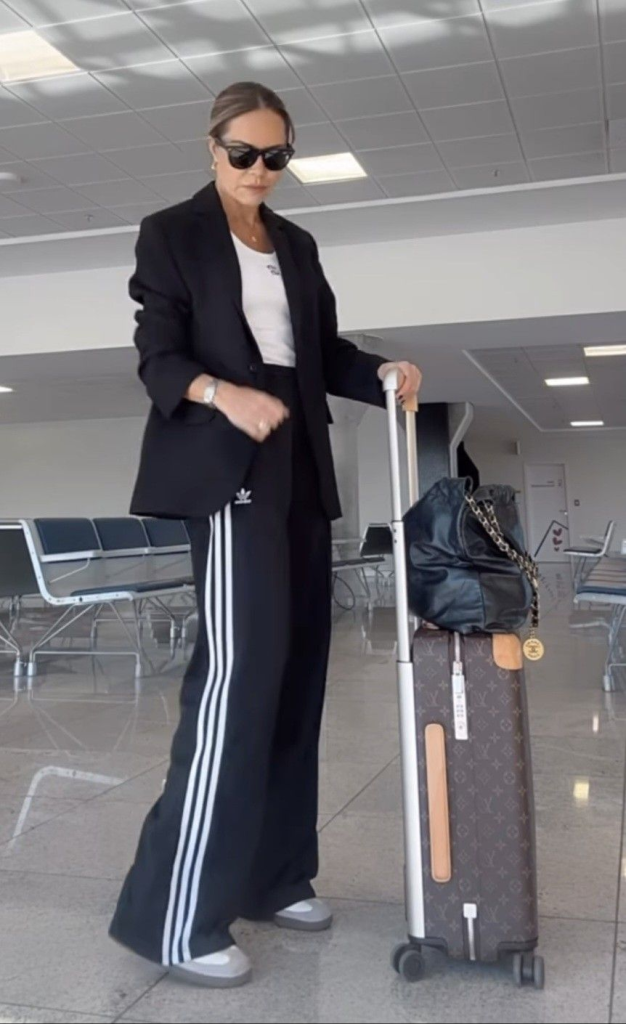
Finding an outfit that looks good and stays comfortable for a full day of travel is basically an Olympic sport. My go-to uniform is simple—wide-leg trousers, a soft cotton tee and a cashmere pullover—but shoes are where I used to get stuck. Airport footwear has to do a lot: support long walks between terminals, slip on and off at security, adapt to in-flight foot swelling and still look cool-ish with real clothes. That’s a tall order. After a lot of trial, error and too many blisters, I’ve landed on an unexpected answer that’s definitiely worth your time: trail running sneakers.
What Airport Shoes Really Need to Do (and Why)
It’s not just about comfort. The airport environment has a few unique demands:
- Security screening: In regular screening lanes, you’re asked to remove shoes; with TSA PreCheck, most adults keep them on. Either way, easy on/off is a win. See the Transportation Security Administration’s policy and exceptions for kids and older adults: TSA shoe-removal guidance.
- Swelling at altitude: Cabin pressure and long periods of sitting can cause feet and ankles to swell, and immobility increases the risk of blood clots on longer flights. The CDC outlines practical prevention tips (hydration, moving every 2–3 hours, calf exercises): CDC: Blood Clots and Travel. Compression socks are also evidence-based for longer flights; a Cochrane review found they reduce the risk of DVT on flights over 4 hours: Cochrane: Compression stockings for air travel.
- Support for lots of walking: You might easily clock thousands of steps between check-in, gates and connections. Footwear that stabilizes the heel and midfoot and provides forefoot room typically performs better over time. The American Podiatric Medical Association offers fit tips that translate perfectly to travel: APMA footwear fitting tips.
Bottom line: Airport shoes should be supportive, adjustable and fast to handle.
Why Trail Running Sneakers Nail the Assignment
Regular running shoes are already great for travel because they’re built for support and repetitive motion. Trail runners go a step further with features that just happen to be perfect for airports and city exploring:
- Speed lacing systems: Many trail models use drawcord or toggle laces that tighten evenly and loosen instantly. They were designed to prevent untied laces on technical terrain, but they’re brilliant at TSA too—one tug and the shoe slides off. For example, Salomon’s Quicklace system is a well-known implementation: What is Quicklace?.
- Adjustability mid-flight: If your feet swell at altitude, you can micro-adjust the fit without fully untying or removing your shoes (which, hot take, is a hard no in cramped cabins).
- Extra cushioning and protection: Trail shoes often include more forefoot cushioning, protective toe caps and sometimes rock plates—all of which translate to better comfort on hard concourse floors and cobblestones once you land. REI’s guide explains how trail footwear balances protection and flexibility: REI: Hiking footwear basics.
- Outsole traction: Lugged outsoles handle wet tile and rainy sidewalks better than slick fashion sneakers. No, you won’t need mud-ready lugs in Terminal B, but moderate tread really helps on polished surfaces.
- The comfort factor matters: Research suggests that “comfort” itself is a meaningful criterion for reducing running-related issues—the so‑called comfort filter. It’s a good heuristic when you’re traveling long hours on foot: British Journal of Sports Medicine: Footwear comfort paradigm.
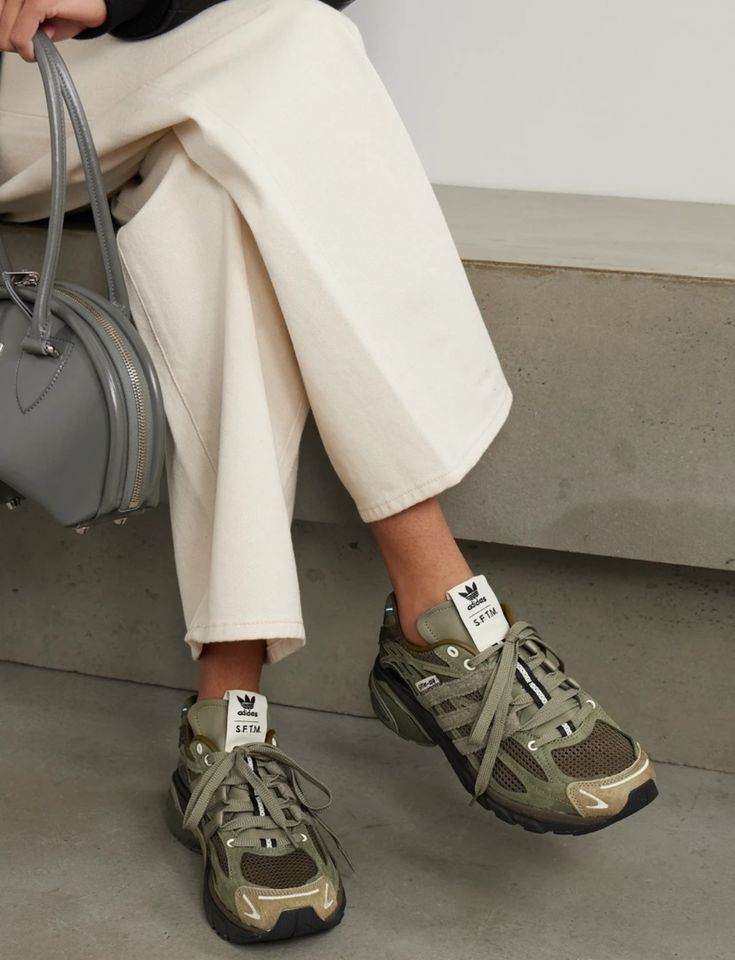
I also like the versatility. If your trip includes a park walk, a surprise viewpoint trail or just a neighborhood with lots of uneven stone, trail runners pull double-duty so you don’t need to pack bulky hiking boots. Energy-wise, wearing lighter footwear over distance can feel noticeably easier during a long travel day (your back and hips will thank you).
Fit, Health and In-Flight Comfort: A Few Evidence-Backed Tips
- Allow room for swelling: Aim for about a thumb’s width in the toe box when standing. If you’re between sizes, consider the larger size for long-haul flights. See APMA’s fit checklist: APMA guidance.
- Compression socks for flights 4+ hours: Robust evidence indicates they reduce risk of asymptomatic DVT; they also can reduce ankle/foot swelling for many travelers: Cochrane review.
- Move regularly: Flex ankles, circle feet and try to walk the aisle periodically on longer flights. CDC prevention steps here: CDC: Preventing travel-related clots.
- Comfort is personal (and predictive): If a shoe feels off in the store, it won’t “break in” on a 12-hour travel day. The comfort paradigm has merit beyond sport: BJSM commentary.
How to Choose Trail Runners Specifically for Travel
- Lug depth: Look for moderate lugs (about 3–4 mm) for grip on wet tile without feeling “spiky” on smooth floors.
- Midsole feel: If you like a plush ride, pick a softer foam; if you prefer more ground feel, choose a firmer, lower-profile model. Try both back-to-back.
- Upper: Breathable mesh for warm airports; consider a water-resistant upper if you’re landing somewhere rainy. Avoid full-on waterproof membranes unless you really need them—they can get warm on long days.
- Lacing: Quick-lace/drawcord systems are great for TSA; if you prefer standard laces, ask for “speed hooks” or elastic laces as an add-on.
- Fit details: Secure heel, midfoot lock, and wiggle room up front. Try them late in the day when feet are slightly swollen (closer to how they’ll feel after a flight).
- Weight and packability: Lighter shoes make a difference when hustling between gates; trail runners generally pack flatter than hiking boots.
Traveler-Tested Trail Runners Worth a Look (No affiliates)
Everyone’s feet are different, but these well-known lines are a solid starting point. Try on a couple shapes to learn what works for you.
- Salomon Ultra Glide (Quicklace; cushioned all-terrain daily trainer): salomon.com
- Hoka Challenger ATR (soft midsole; road-to-trail versatility): hoka.com
- Nike Pegasus Trail (familiar road feel with added grip): nike.com
- Brooks Cascadia (stable platform; protective upper): brooksrunning.com
- Merrell Agility Peak (plush cushioning; grippy outsole): merrell.com
- New Balance Fresh Foam Hierro (wide sizes available; smooth ride): newbalance.com
- Saucony Peregrine (medium stack; reliable traction): saucony.com
- Altra Lone Peak (zero drop; roomy toe box for swelling): altrarunning.com

When Trail Runners Might Not Be Your Best Bet
- Formal work trips with strict dress codes: You can still travel in trail shoes and swap into loafers at the lounge or upon landing.
- Snow/ice: Consider insulated winter boots or slip-on overshoe traction if sidewalks are truly icy.
- Ultralight packers: If you need one shoe for meetings and dinners, a minimal leather sneaker might be more versatile aesthetically (though your feet might vote otherwise).
My Simple Travel Formula
Most trips, I wear wide-leg trousers, a breathable tee, a cozy pullover and low-profile trail runners in a neutral color. It looks intentional, not gym-y, and I can loosen the drawcord a touch mid-flight. That tiny bit of adjustability sounds trivial but it’s kinda everything after hour five.

The Takeaway
Trail running sneakers check every box for airport travel: instant on/off, dialed-in support, extra cushioning and real-world traction when plans change. Pair them with compression socks on longer flights, move around when you can, and pick the fit that feels right from step one. Your future self at Gate C47 will be glad you did.
References and Further Reading
- TSA: Do I have to take off my shoes during screening? tsa.gov
- CDC: Blood Clots and Travel—Reducing Your Risk cdc.gov
- Cochrane Review: Compression stockings for preventing deep vein thrombosis in airline passengers cochranelibrary.com
- APMA: Footwear Fitting Tips apma.org
- British Journal of Sports Medicine: The “Preferred Movement Path” paradigm and comfort filter in footwear selection bjsm.bmj.com
- REI Expert Advice: Hiking Boots 101 (how trail footwear protects and supports) rei.com
- Salomon: What is Quicklace? salomon.com


