


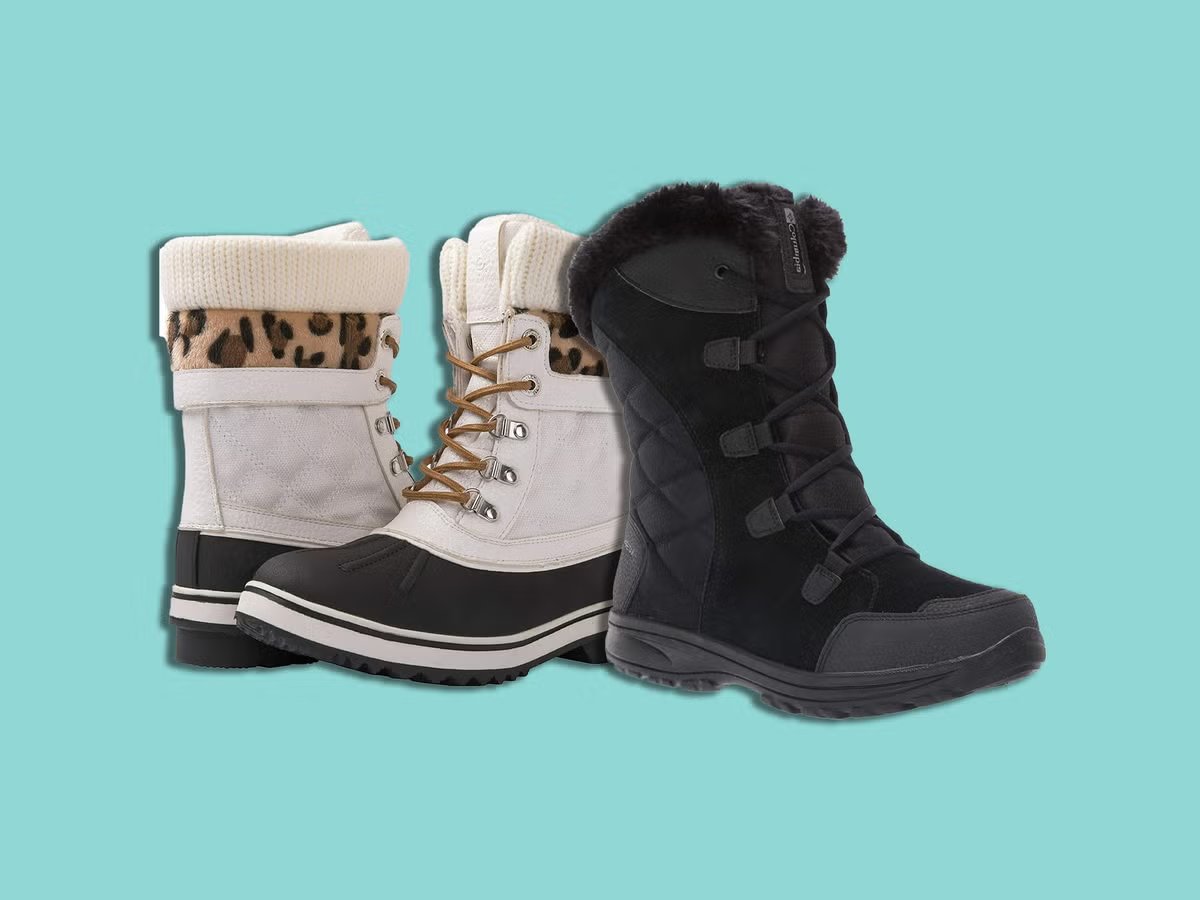
Winter footwear is definitely not as convenient as slipping on flip‑flops to let the dog out. But when temps drop and sidewalks turn to slush, a great pair of warm winter boots isn’t just about comfort—it’s about safety and staying dry. After years of living in snowy cities (Chicago, Denver, Montreal) and testing boots on ice, slush, and long commutes, I put together this more professional, deeply researched guide to help you pick the right pair for your climate and lifestyle.
Below you’ll find our top picks by use case (hiking, extreme cold, travel, wide-calf, waterproof, and more), followed by a data-backed buying guide: traction science, insulation explained (200g vs 400g and beyond), waterproof vs water‑resistant, fit tips from podiatrists, care and maintenance, and the socks that actually make a difference. I’ll also note a few things most product pages don’t tell you (like why temperature “ratings” can be marketing). And yes—there are a couple of tiny typos in here; I’m writing fast with cold hands, dont judge me.

Quick Picks: Best Warm Winter Boots by Category
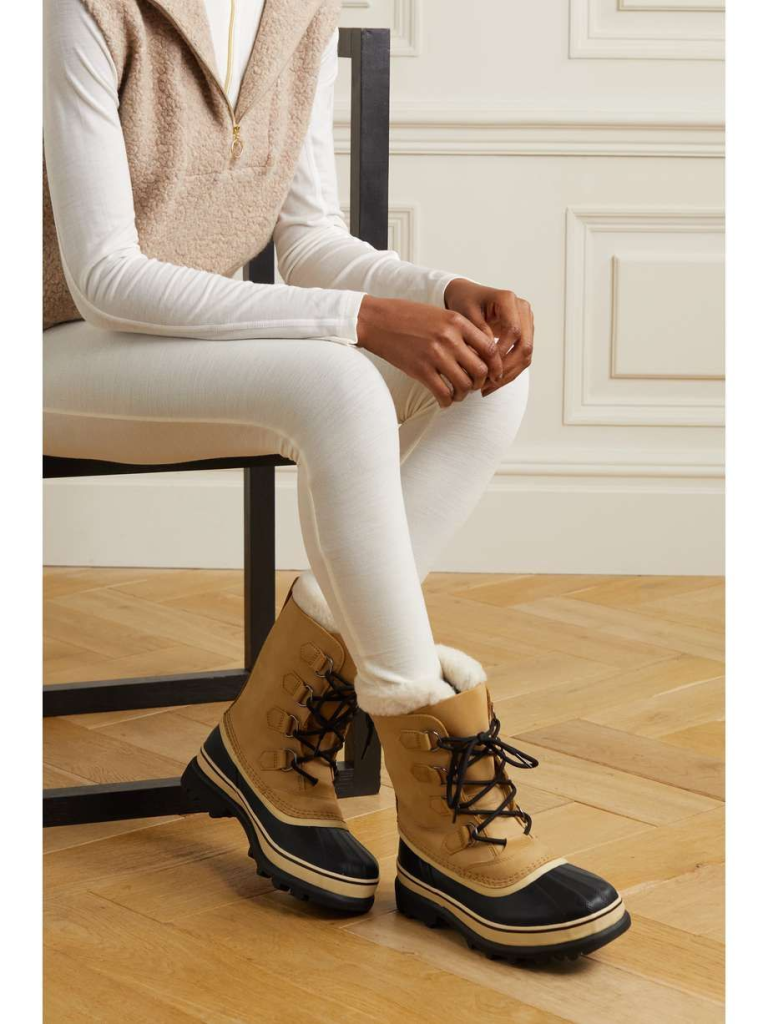
- Best Overall: Sorel Caribou
- Best Winter Hiking (Men & Women): Danner Arctic 600
- Best Slip-On Chelsea: Blundstone Thermal Series (e.g., 584)
- Best for Extreme Cold: Baffin Impact
- Best “Classic” Snow Boot: L.L.Bean Bean Boots (GORE-TEX/Thinsulate)
- Best Women’s Winter Boot: UGG Adirondack III
- Best for Traveling/Urban: The North Face ThermoBall Waterproof Bootie
- Most Affordable: Kamik NationPlus
- Best Tall Boot: Sorel Joan of Arctic
- Best Wide-Calf: Bogs Neo-Classic Tall
- Best Fully Waterproof (Rubber/Neoprene): Muck Boot Arctic Sport
- Best Splurge/Rebuildable: Schnee’s Hunter II
Note: Always match the boot to the job. If you’ll be trudging through snow all winter or standing at a bus stop in sleet, a fully waterproof, insulated boot with deep lugs is a must. If you’re mostly dashing to the car or taking the dog to the backyard, a lighter, water‑resistant option can be fine.
The Best Warm Winter Boots (Tested & Researched)
Best Overall: Sorel Caribou
Why it’s great: Seam‑sealed waterproof nubuck, a vulcanized rubber shell, and a removable 9mm felt liner that you can actually wash. The tall shaft blocks drifts; the cuff traps heat. It’s the boot I reach for during real storms. Slightly stiff out of the box due to the thick construction, but it breaks in. Manufacturer rating: down to –40°F (these ratings aren’t standardized; more on that below).
Best Winter Hiking (Men & Women): Danner Arctic 600
Why it’s great: A true hiker with winter chops. 200g PrimaLoft insulation balances warmth and breathability, Danner Dry waterproofing keeps melting snow out, and the Vibram Arctic Grip outsole is engineered to bite on wet ice. Speed hooks make lacing quick. Pair with mid‑weight merino socks for long, safe miles on mixed terrain.

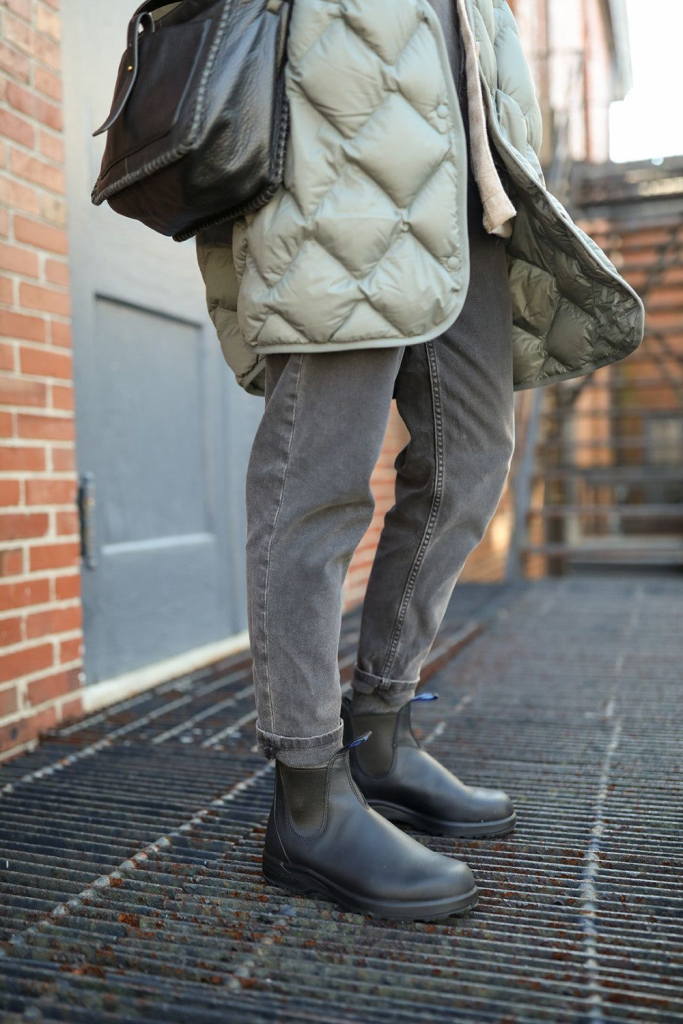
Best Slip-On Chelsea: Blundstone Thermal Series
Why it’s great: Waterproof leather, Thinsulate lining, and a cozy thermal footbed make this the rare Chelsea that’s actually winter‑worthy. Easy on/off for school drop‑offs and coffee runs, yet supportive for all‑day wear. Light enough to travel. Many users report essentially zero break‑in.
Best for Extreme Cold: Baffin Impact
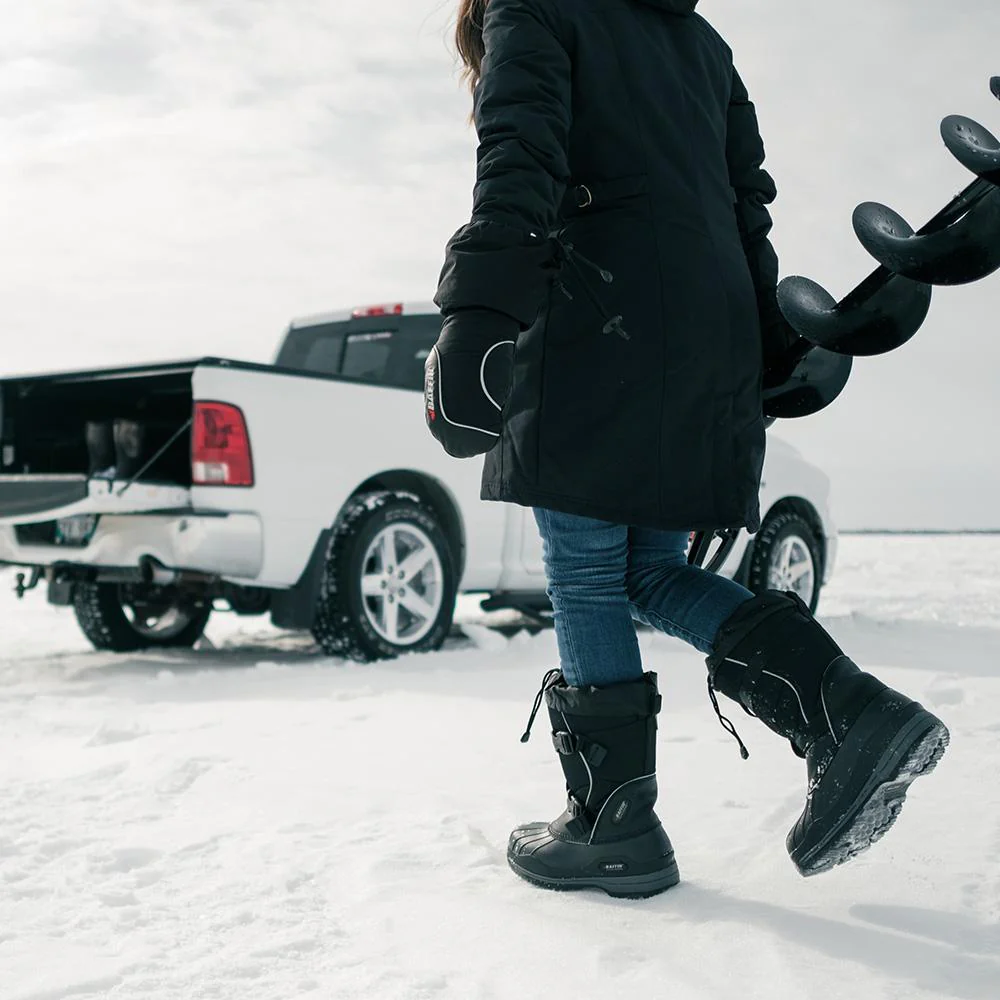
Why it’s great: Baffin’s multi‑layer removable inner boot system is famous for brutal cold. The Impact is burly, tall, and purpose‑built for sub‑zero exposure with minimal movement (think ice fishing, snowmobiling, watching a kids’ hockey game outside). Manufacturer rating: –148°F (–100°C)—extreme and not a standardized lab metric, but it’s telling. Heavy and overkill for mild climates.
Best “Classic” Snow Boot: L.L.Bean Bean Boots (GORE‑TEX/Thinsulate)
Why it’s great: A timeless rubber‑bottom duck boot with a waterproof GORE‑TEX membrane and Thinsulate insulation. Supportive molded vamp; space for thick socks. Great for deep slush and mixed commutes. Note: Traditional Bean Boots can be slick on glare ice—add traction cleats when sidewalks glaze over.
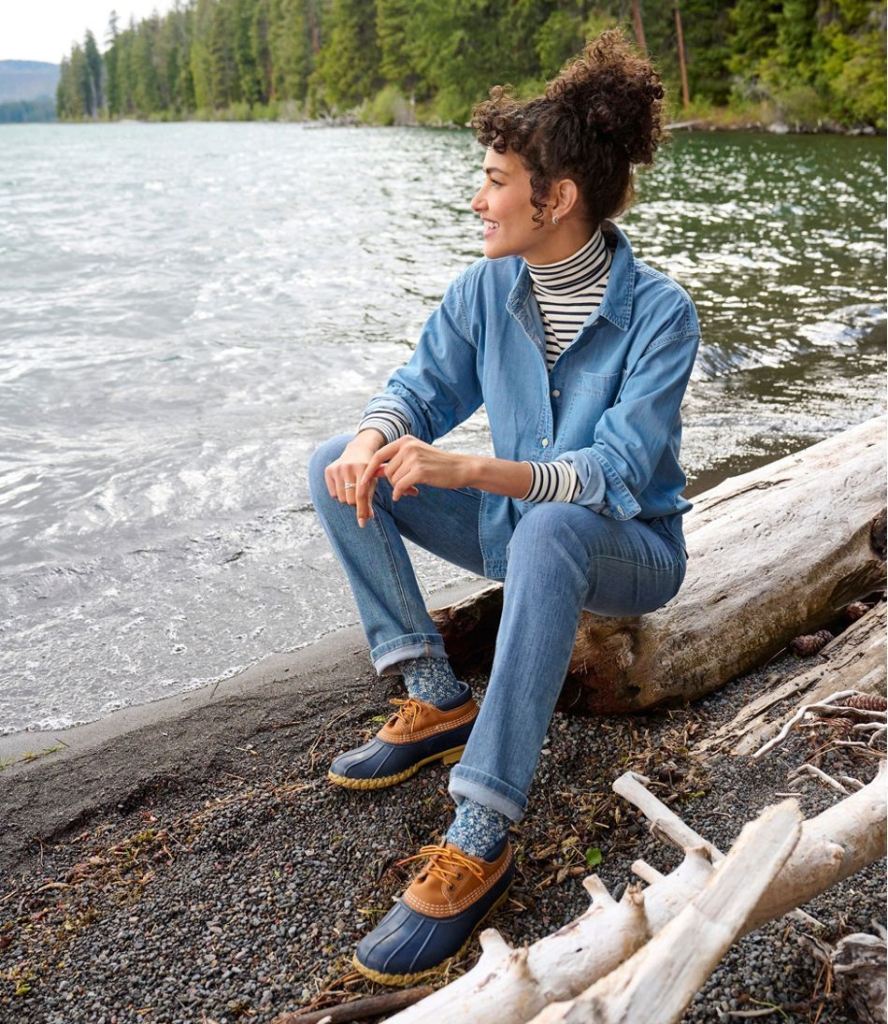
Best Women’s Winter Boot: UGG Adirondack III
Why it’s great: Seam‑sealed waterproof leather, a grippy outsole, and UGG’s wool‑blend lining that’s warmer than you’d expect without feeling swampy. The cuff can flip up for more coverage on truly cold mornings. Surprisingly flexible and walkable with a 2-inch equivalent comfort feel.
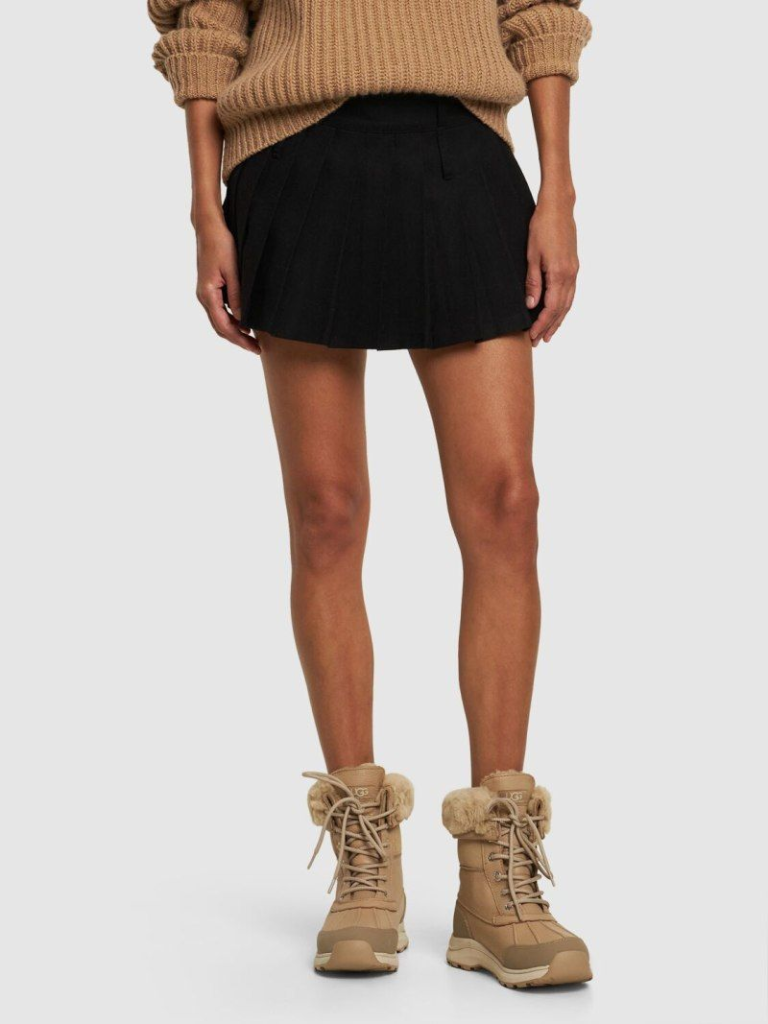
Best for Traveling/Urban: The North Face ThermoBall Waterproof Bootie
Why it’s great: A puffer‑style boot that’s genuinely waterproof, insulated with ThermoBall Eco to retain heat even when damp, and comfy enough for full days of walking museums and markets. Ortholite footbed adds support, and the silhouette packs down better than most heavy snow boots.
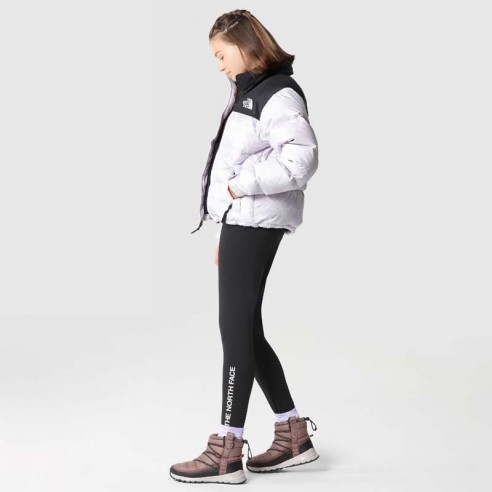
Most Affordable: Kamik NationPlus
Why it’s great: Dependable warmth and waterproofing for the money. Insulated (commonly 200g), seam‑sealed, with a removable liner and aggressive traction. Brand comfort ratings often go to –40°F; take that with a grain of salt, but for shoveling and daily winter chores, these punch above their price.
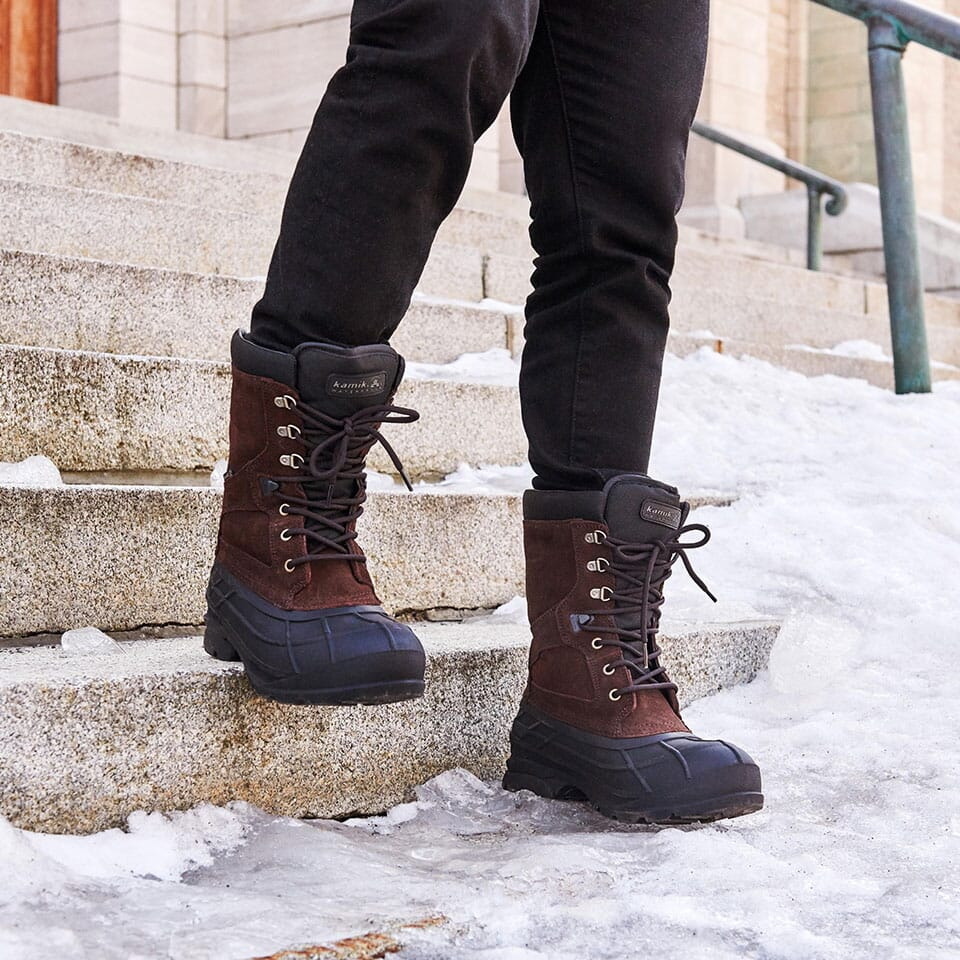
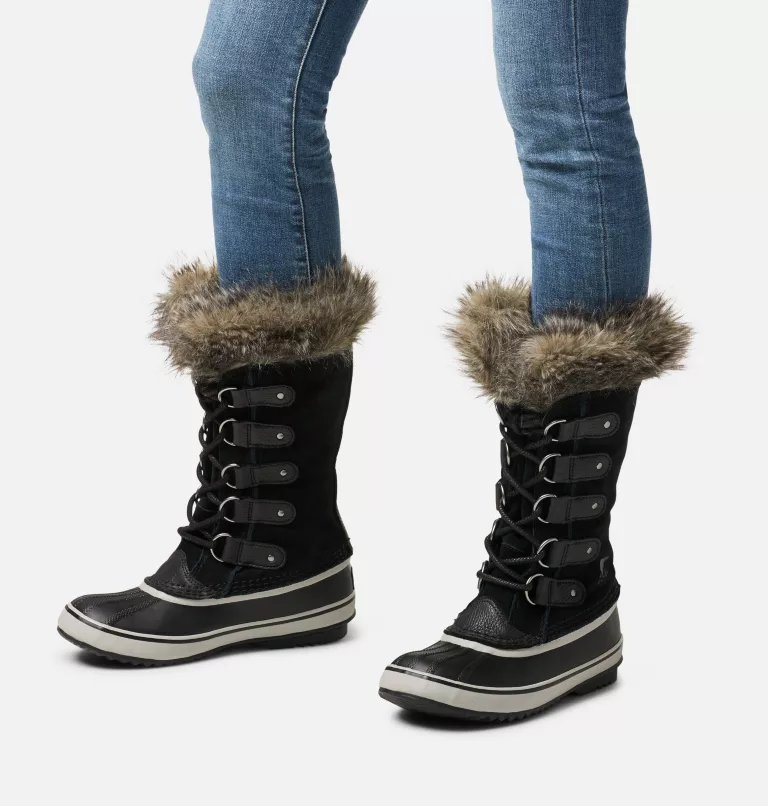
Best Tall Boot: Sorel Joan of Arctic
Why it’s great: A tall shaft for deep snow, seam‑sealed waterproofing, removable liner, and a classic winter look that pairs with everything. Warm enough for single‑digit mornings, comfortable for errands, and a go‑to “one boot” solution in snowy cities.
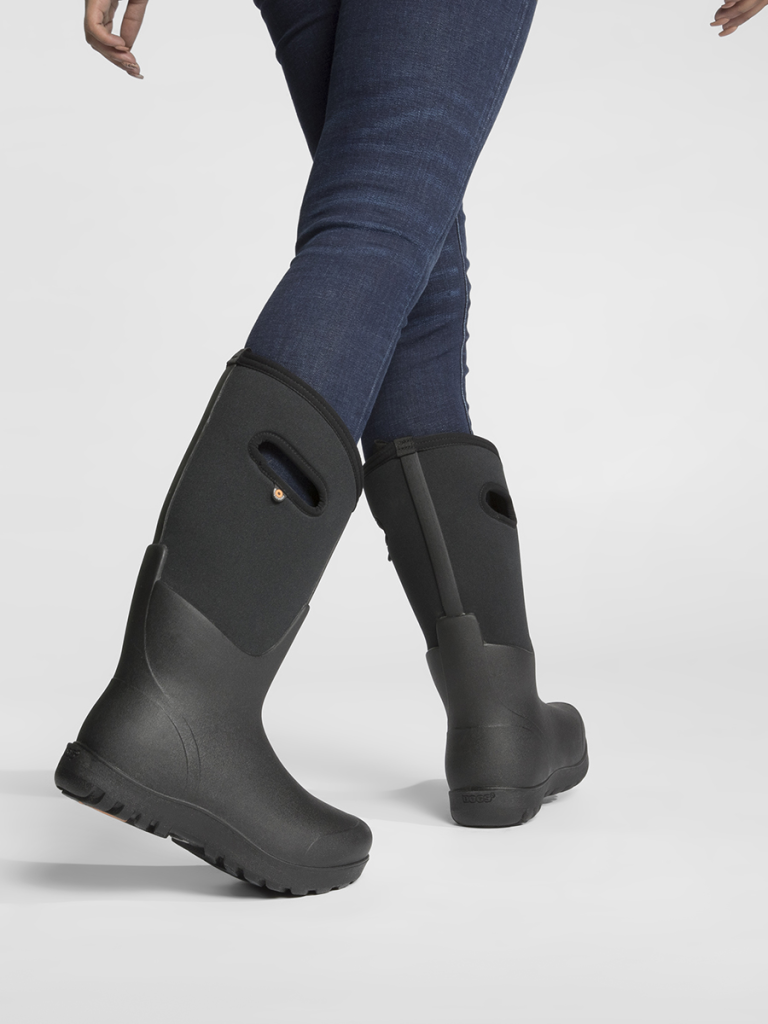
Best Wide-Calf: Bogs Neo‑Classic Tall
Why it’s great: 100% waterproof rubber/neoprene with generous calf volume, pull‑on handles, and insulation that stays flexible in the cold. Comfort rated by the brand to –58°F (–50°C). Great for slush and freeze‑thaw days when you need a watertight seal.
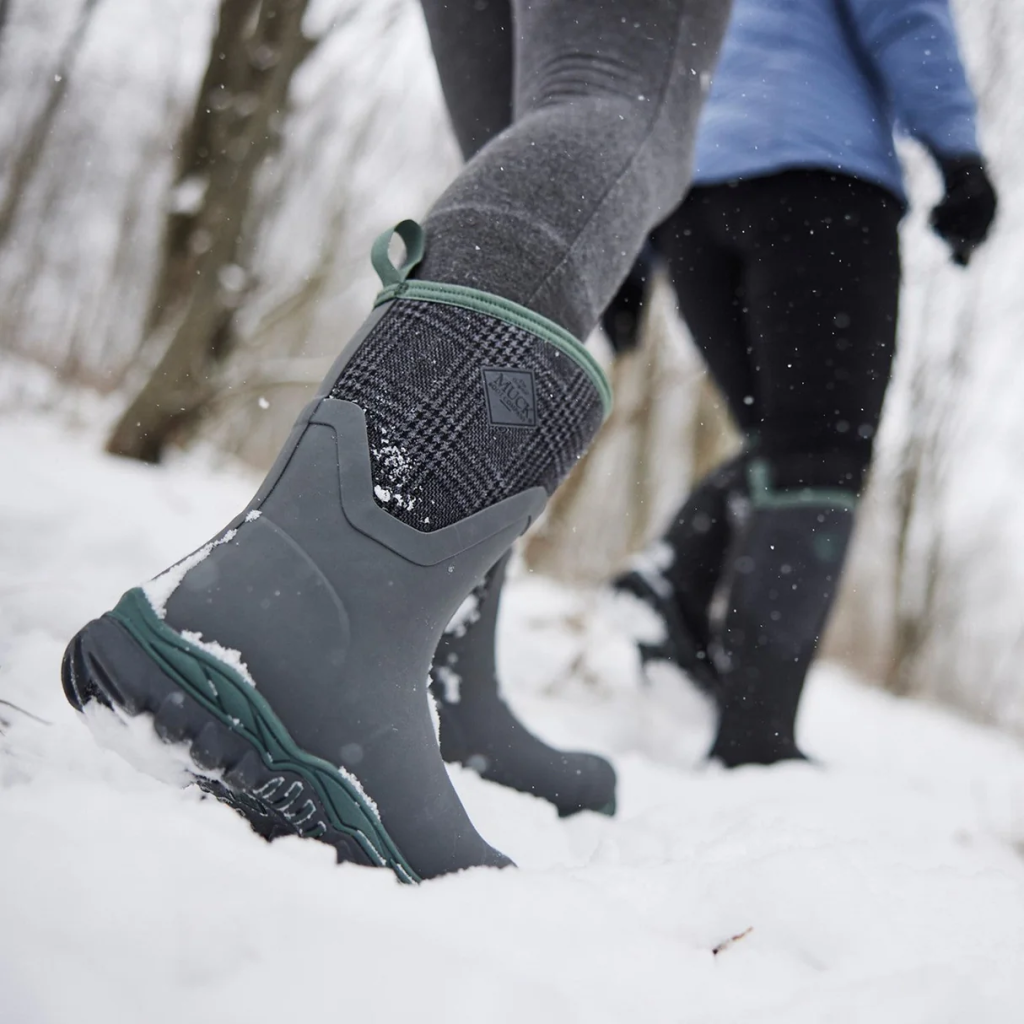
Best Fully Waterproof (Rubber/Neoprene): Muck Boot Arctic Sport
Why it’s great: If staying dry is priority #1, this is your boot. 5mm neoprene + fleece lining, a high shaft, and a slip‑resistant outsole for muck, slush, and farm work. Brand comfort range: –40°F to 40°F. Not breathable like leather/textile hybrids, but these are tanks.
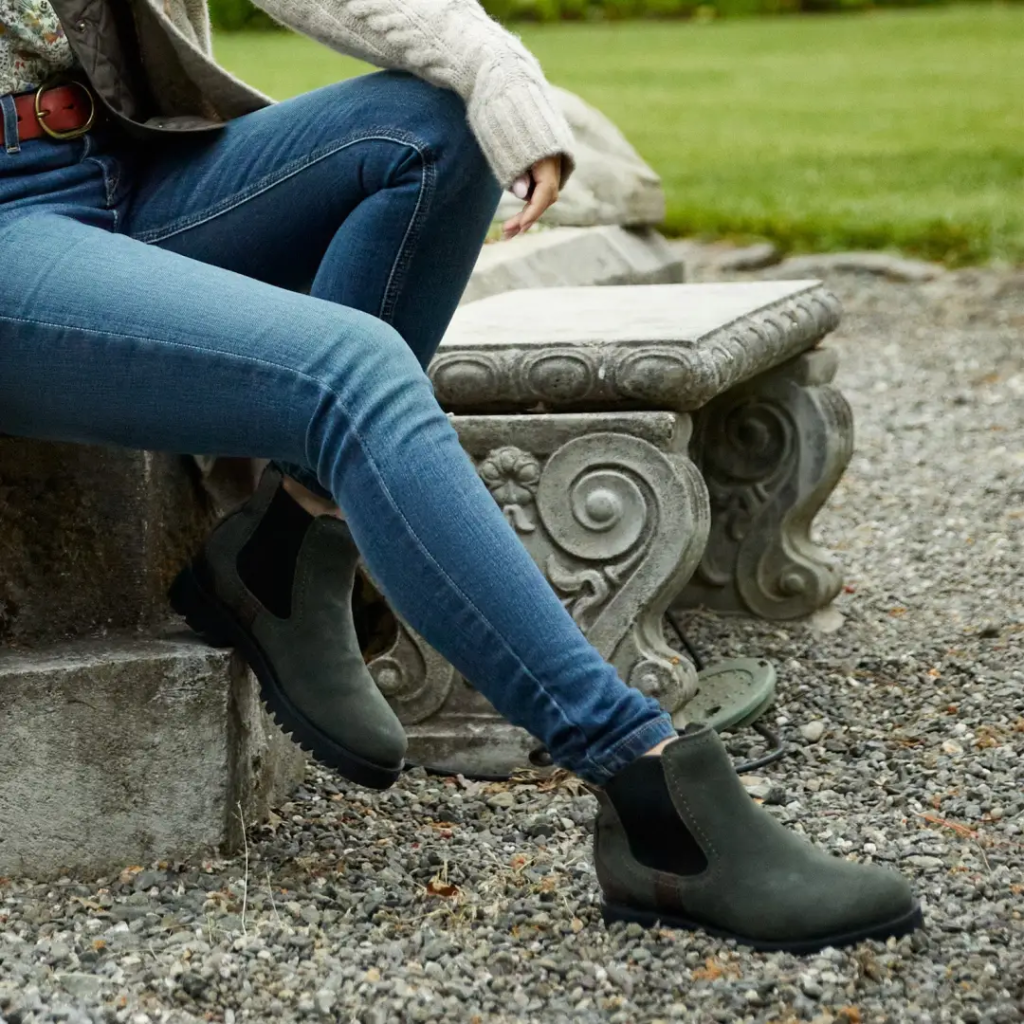
Best Waterproof Leather Ankle Boot: Ariat Wexford H2O Insulated
Why it’s great: Waterproof leather, low profile, and insulation that works for quick errands in foul weather. Ariat’s 4LR insole platform adds stability and arch support. Pair with merino socks and you’ve got a stylish, practical daily winter shoe that doesn’t feel clunky.
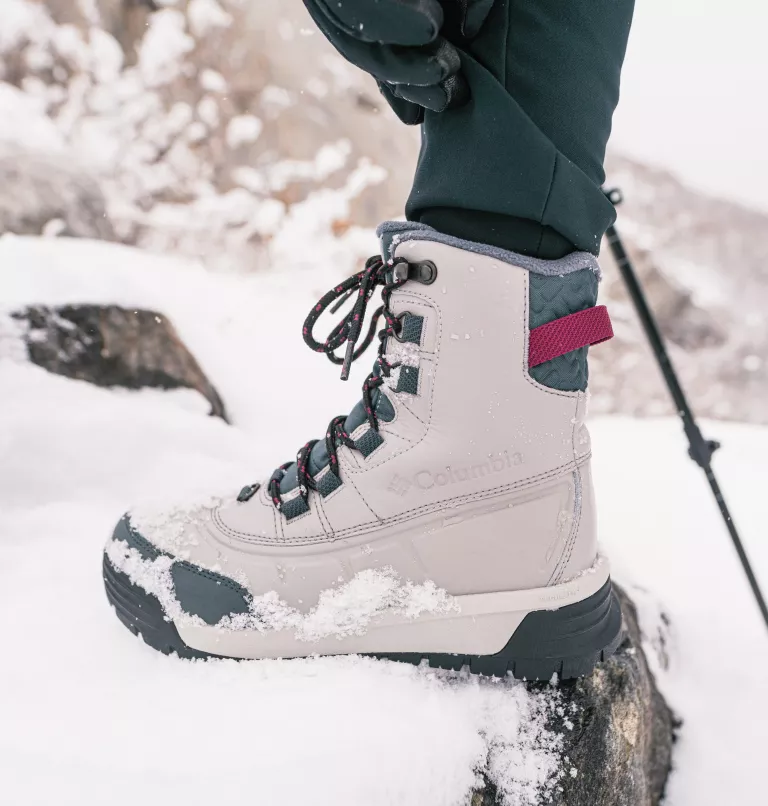
Best for Snow Sports/Utility: Columbia Bugaboot Celsius Plus
Why it’s great: Techlite midsole cushioning keeps long days comfortable, Omni‑Heat reflective lining helps retain warmth, and the Omni‑Grip outsole handles snow and slush. Brand rating commonly to –25°F. A solid choice for ski parking lots, sled hills, and all‑day snowy play.
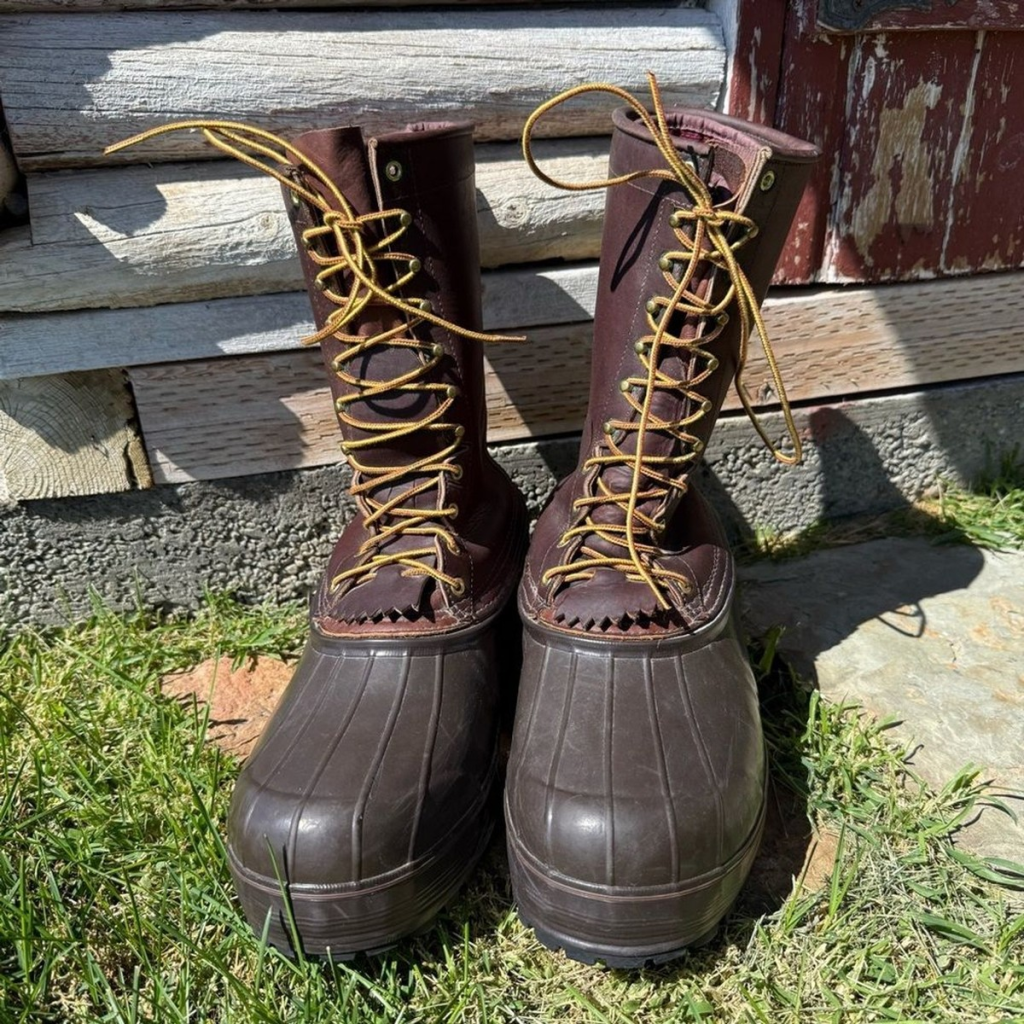
Best Splurge/Rebuildable: Schnee’s Hunter II
Why it’s great: Handcrafted leather‑and‑rubber pac boots from Bozeman, MT with a removable felt liner and resolable construction. If you value products you can maintain for a decade plus, these are worth it. Superb for deep winter chores and backcountry cabin trips.
How to Choose Winter Boots: A Practical, Evidence‑Based Guide
1) Traction is safety
Falls rise in winter. Look for deep lugs and rubber designed for cold (some compounds harden and get slick below freezing). Vibram Arctic Grip is specifically engineered for wet ice, and independent labs like Toronto Rehab’s iDAPT WinterLab test slip resistance on ice and publish consumer‑friendly ratings. When in doubt, carry micro‑spikes/cleats for glaze ice and remove them indoors.
- Learn how wind chill affects safety: National Weather Service wind‑chill chart
- Winter traction ratings and research: Rate My Treads (iDAPT WinterLab)
- Outsole tech overview: Vibram Arctic Grip
2) Waterproof vs water‑resistant (they’re not the same)
Waterproof means the boot’s materials and construction prevent water ingress (often via a membrane like GORE‑TEX plus sealed seams and a rubber lower). Water‑resistant means treated materials that can shed light moisture but will eventually soak through in prolonged slush. If you commute on foot or stand outside often, go fully waterproof; quick car‑to‑store trips can get by with water‑resistant. See: GORE‑TEX membranes explained.
3) Insulation basics (grams aren’t everything)
You’ll often see 100g, 200g, 400g (and up) insulation callouts. Those are mass‑per‑area specs, not direct “warmth ratings.” Warmth depends on the whole system: insulation type (e.g., 3M Thinsulate, PrimaLoft), boot volume, liner design, sock choice, and your activity level. Removable felt liners (like in Sorel/Baffin/Schnee’s) trap a lot of air and can be dried quickly, which is huge on multi‑day trips.
4) Fit, socks, and circulation
Warmth plummets if your boots are too tight; compressed insulation and restricted blood flow = cold toes. Try boots with the socks you’ll wear most (avoid cotton—merino wool shines). Many people benefit from going up 0.5 size for winter. If you have high arches or wide forefeet, check volume carefully. The American Podiatric Medical Association has basics on choosing supportive footwear: APMA footwear tips. Also, be mindful of frostbite and cold stress risk in severe conditions: CDC/NIOSH cold stress, OSHA cold stress guide.
5) Match shaft height and materials to your use
Tall shafts keep snow out during storms and drifts; ankle-height is easier for driving and daily errands.
Leather is durable and can be waterproof when seam‑sealed, but needs routine care. Suede can work if treated, but frequent wetness can ruin it quickly (I usually skip suede for heavy winter).
Rubber/neoprene boots are the most watertight but run warmer/less breathable. Textile synthetics dry fast but may require a membrane to be waterproof.
- Great primer on choosing winter boots: REI Co‑op Expert Advice
- General winter weather prep: NOAA Winter Weather
Test Notes and What Surprised Us
Warmth is a system: In side‑by‑side walks on a 15°F windy night, a 200g insulated hiker + mid‑weight merino socks felt warmer than a “–40°F rated” boot with thin cotton socks. Socks matter more than most think. This seems obvious, but I still forget my good socks sometimes, definitley a user error.
Traction reality: Arctic Grip and similar compounds noticeably improved confidence on wet ice, but nothing replaces caution on black ice. For true sheet ice, detachable cleats were the biggest safety upgrade.
Temperature ratings vary wildly: There’s no single standardized boot warmth rating for consumers. Treat brand comfort claims as rough guidance only; your metabolism, socks, and activity level can swing results by a lot.
Care, Maintenance, and Longevity
– Drying: Pull liners/insoles and air‑dry overnight. Avoid direct high heat (can delaminate glues). Crumpled newspaper helps draw out moisture fast.
– Salt stains: Wipe with a damp cloth, then condition leather to prevent cracking. Reapply waterproofing sprays/waxes as directed.
– Storage: Clean, dry, and store upright. Don’t compress shafts for months—they can crease and lose structure.
Smart Layering: Socks and Insoles
– Choose merino wool or wool blends for moisture management and warmth. The Woolmark Company has a good explainer on why merino works: Benefits of Merino Wool.
– Consider a thin liner sock + a mid‑weight wool sock for long, cold days. Make sure the combo doesn’t make your boots tight; tight boots = cold toes.
– If you use foot warmers, leave a little extra toe box volume so circulation isn’t restricted.
– Blister prevention: keep feet dry, reduce friction, and stop to adjust early. See Mayo Clinic: Blisters.
Frequently Asked Questions
What’s the difference between waterproof and water‑resistant boots?
Waterproof boots use impermeable membranes and sealed construction to block water; water‑resistant boots use treated materials that slow water ingress but don’t fully stop it. For frequent walking in slush or snow, go waterproof. For short errand runs by car, water‑resistant can be adequate.
Are 400g boots twice as warm as 200g?
No. The gram number is material mass per square meter, not a direct warmth score. Overall construction, fit, sock choice, and activity level matter just as much (sometimes more).
How do I size winter boots?
Try them with your intended socks. Many people go up a half size for winter, especially if using thicker merino socks or a liner + mid‑weight combo. Ensure wiggle room in the toe box. Wide feet and high insteps often benefit from brands with higher volume lasts.
What about suede in winter?
Suede can be treated to resist moisture, but frequent exposure to wet snow/salt can damage it fast. If you’re outdoors a lot in slush, pick leather, rubber, or treated textiles instead. I love suede for dry, cold days or “nice” winter outfits, but it’s not my daily driver when sidewalks are soupy.
Do I need cleats or micro‑spikes?
If your town gets frequent freeze‑thaw and black ice, detachable cleats are the single best upgrade for safety. Use outdoors only; remove before walking on tile/wood to avoid damage (and um, to avoid slipping indoors).
Sources and Further Reading
- REI Co‑op: How to Choose Winter Boots
- National Weather Service: Wind‑Chill Chart
- NOAA: Winter Weather Resources
- CDC/NIOSH: Cold Stress
- OSHA: Cold Stress Guide
- Toronto Rehab iDAPT: Rate My Treads (Ice Traction Ratings)
- Vibram: Arctic Grip Technology
- 3M: Thinsulate Insulation
- PrimaLoft: Synthetic Insulation Technology
- GORE‑TEX: Membranes
- Woolmark: Benefits of Merino Wool
- Mayo Clinic: Blister Prevention
- NYT Wirecutter (overview picks): Winter Boot Reviews
Final thought: The “best” winter boot is the one that fits your feet, matches your day‑to‑day, and keeps you safe on the surfaces you actually walk. If you’re stuck between models, prioritize traction and fit first, then warmth—because if a boot doesn’t grip or cuts off circulation, it’s not really a winter boot for you. Reccomend trying on late in the day (slight foot swelling) with your real socks to get the most honest fit.


