


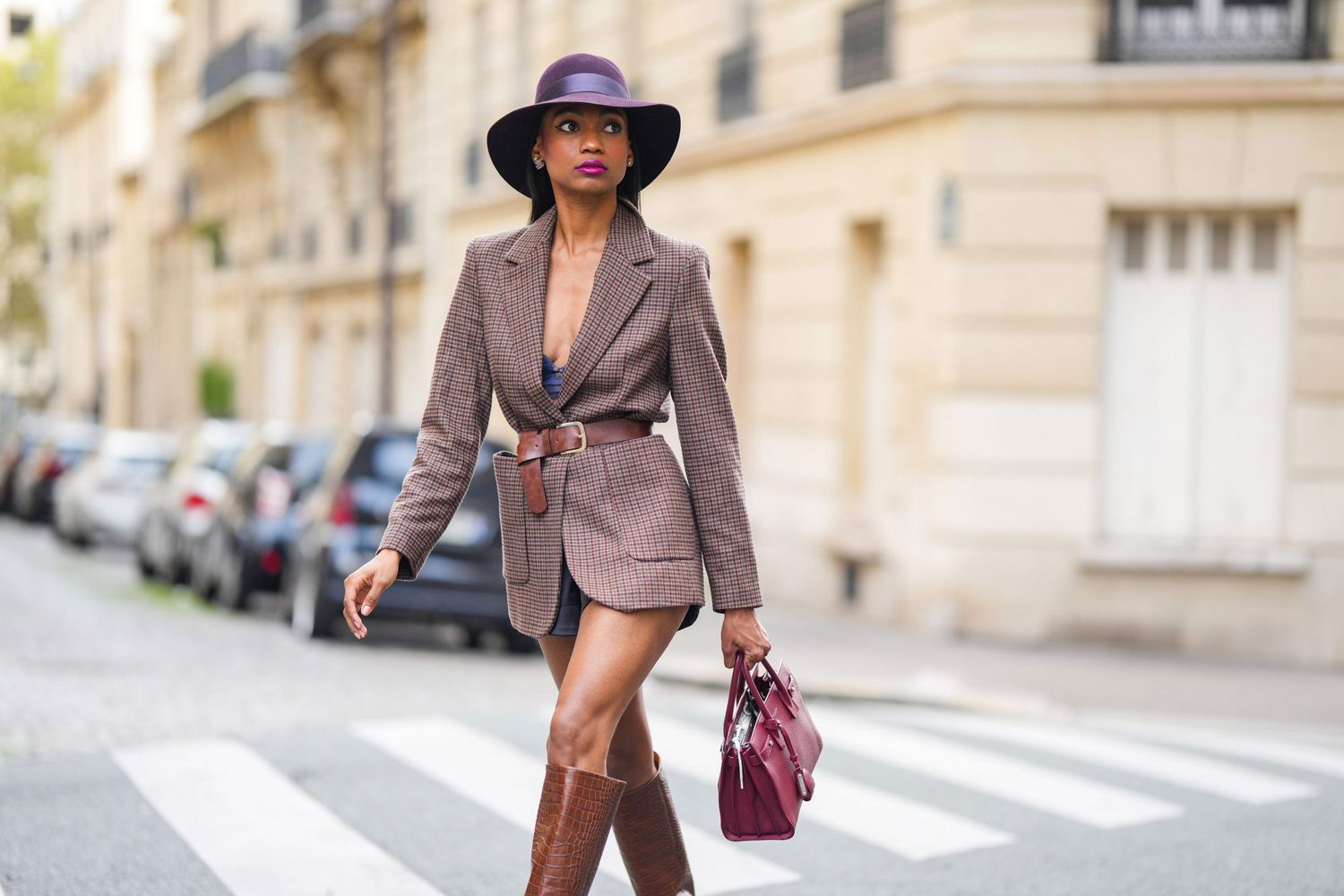
Goodbye summer stickiness, hello layers that actually breathe. If you’ve been counting down to cooler commutes and more polished fits, fall is your season. Below is a practical guide to building a modern work wardrobe that flexes across dress codes—from boardroom-ready to business casual Fridays—along with research-backed tips on why clothing impacts how you feel and perform at work. I’ll share my go-to outfit formulas (with options for different body types, budgets and climates), plus fabric and footwear intel that’ll save you from 3 p.m. discomfort. Yes, I have some opinions—ocassionally strong ones—and a couple of tiny typos snuck in. We’re human.
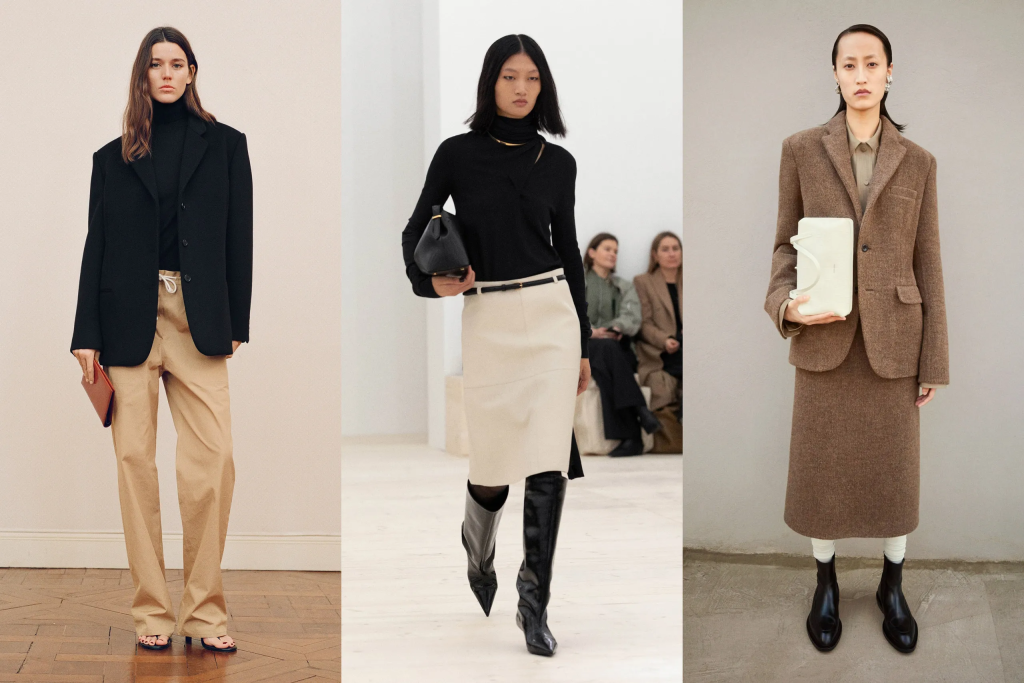
Before You Shop: Dress Codes, Comfort Science and What Matters
• Know your office’s dress code. Many workplaces now sit between business professional and business casual. If your company has a policy, read it first so you’re aligned on jeans, sneakers, and hem lengths. The Society for Human Resource Management (SHRM) has helpful guidance on crafting and interpreting dress codes: SHRM.
• Why clothes change how you work. Research suggests what you wear can influence cognition and confidence. Formal attire has been linked to more abstract thinking and broader perspective (Slepian et al., 2015): Social Psychological and Personality Science. And the idea of “enclothed cognition” shows that symbolic meaning + wearing a garment can affect performance (Adam & Galinsky, 2012): Journal of Experimental Social Psychology.
• Footwear and long days. A supportive shoe can prevent fatigue and pain. The American Podiatric Medical Association recommends thoughtful heel heights, shock absorption, and roomy toe boxes: APMA footwear guidance.
• Trend context. Fall runways and retail data keep pointing to strong suiting, rich knits, denim-on-denim, long coats, and boots that mean business. For a macro view, see McKinsey x BoF’s State of Fashion: McKinsey/BoF, and Vogue’s FW24 trend wrap: Vogue.
Fabric, Fit, and Layering—Quick Guide
• Fabrics: For tops and knits, aim for breathable fibers (cotton, merino, cashmere blends) and mid-gauge knits that layer under blazers without bulk. For trousers/skirts, look for wool blends with a touch of stretch (1–3% elastane) to keep shape. If you run warm, consider Tencel/lyocell or technical wool; if you run cold, double-knit ponte and lined trousers are a life saver.
• Fit: A slightly structured shoulder instantly sharpens the silhouette; high-rise, full-length trousers elongate the leg; midi skirts balance with most footwear. Tailor hems to your most-worn shoes. It sounds obvious, but it’s game-changing.
• Layering for real weather: Morning low 50s to afternoon 70s? Lightweight base + blazer or long coat + scarf in your tote. You’ll be comfier than in a single “too-warm” sweater all day.
20 Fall Office Outfit Formulas (From Monday Meetings to Casual Fridays)
These are mix-and-match blueprints—swap colors, fabrics, and accessories to meet your dress code and climate.
1) Structured midi skirt + elegant blouse
Why it works: The tailored line of a midi skirt reads polished; a fluid blouse softens the look. Add pumps or sleek block-heel boots and a tote or crossbody. Try complementary colors, like chocolate with teal or charcoal with ivory.
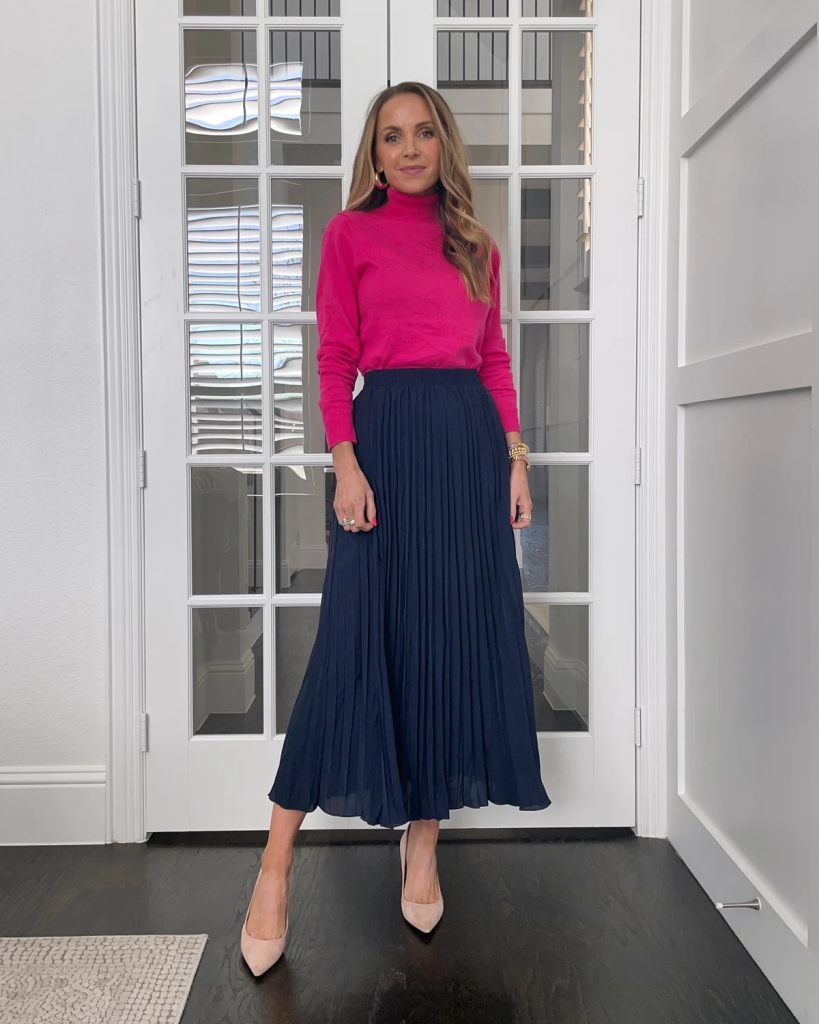
2) Casual Friday denim-on-denim (monochrome)
Why it works: Matching tones (dark indigo with dark indigo) create a clean column. Elevate with pointed flats or loafers and minimal jewelry. Confirm denim is allowed in your policy (yep, it varies). For trend backing, see Vogue’s FW24 denim notes: Vogue.
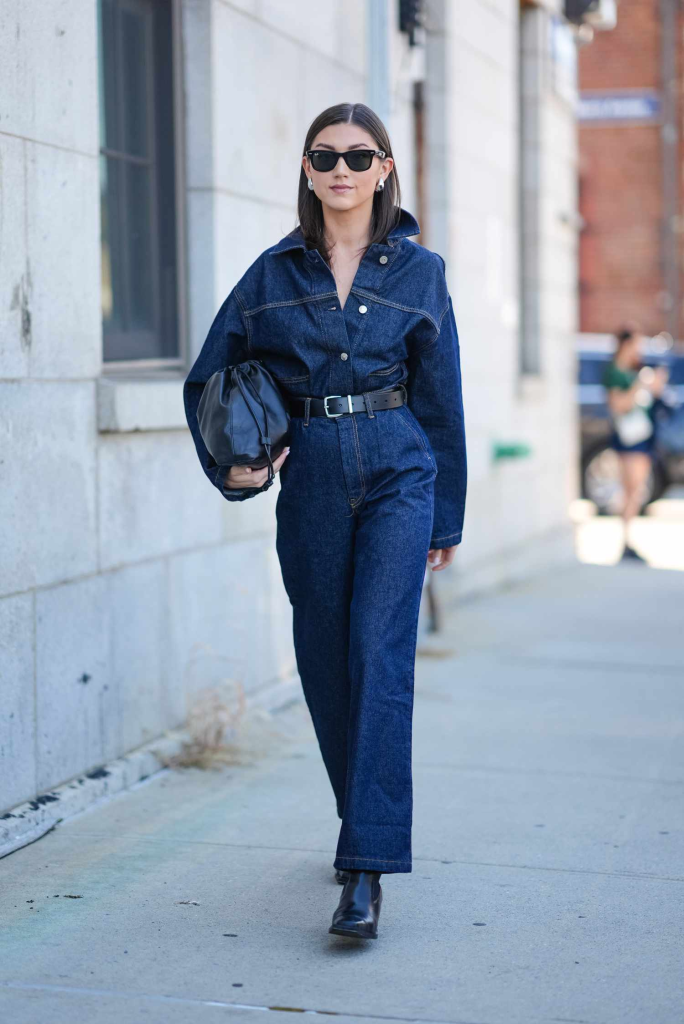
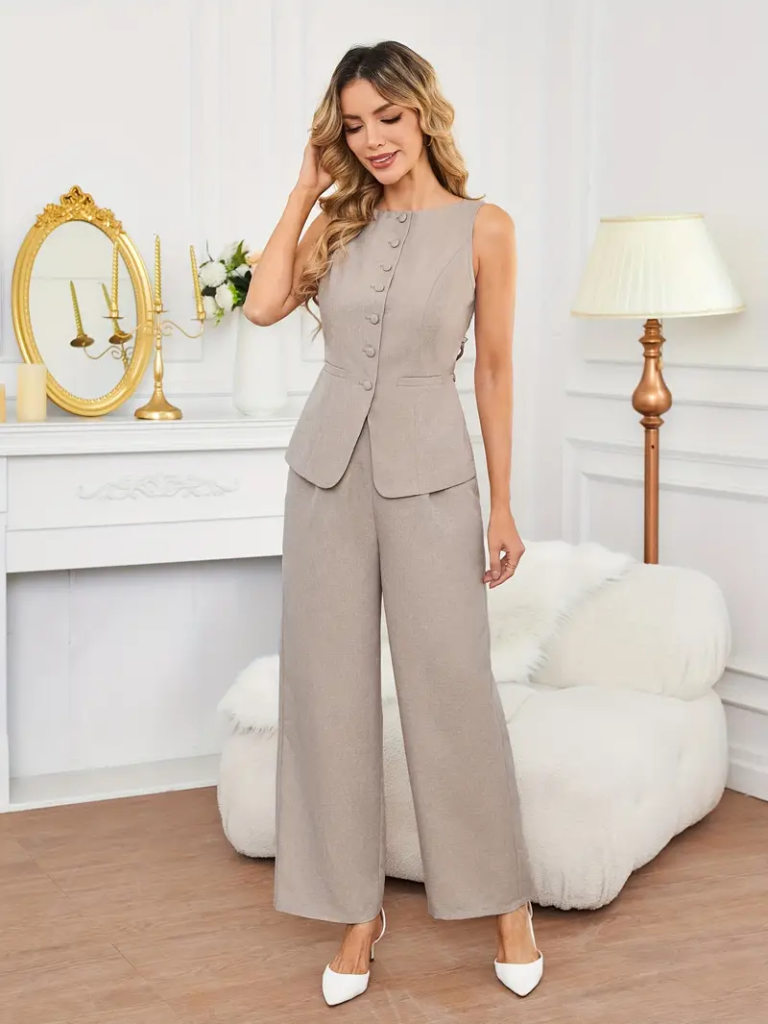
3) Vest suit set (3-piece vibes, 2-piece ease)
Why it works: A vest sharply defines the torso without the bulk of sleeves. Wear solo under a blazer or over a silk/cotton tee. Keep accessories high on the body (hoops, pearls, a neck scarf) to draw the eye up on Zoom.
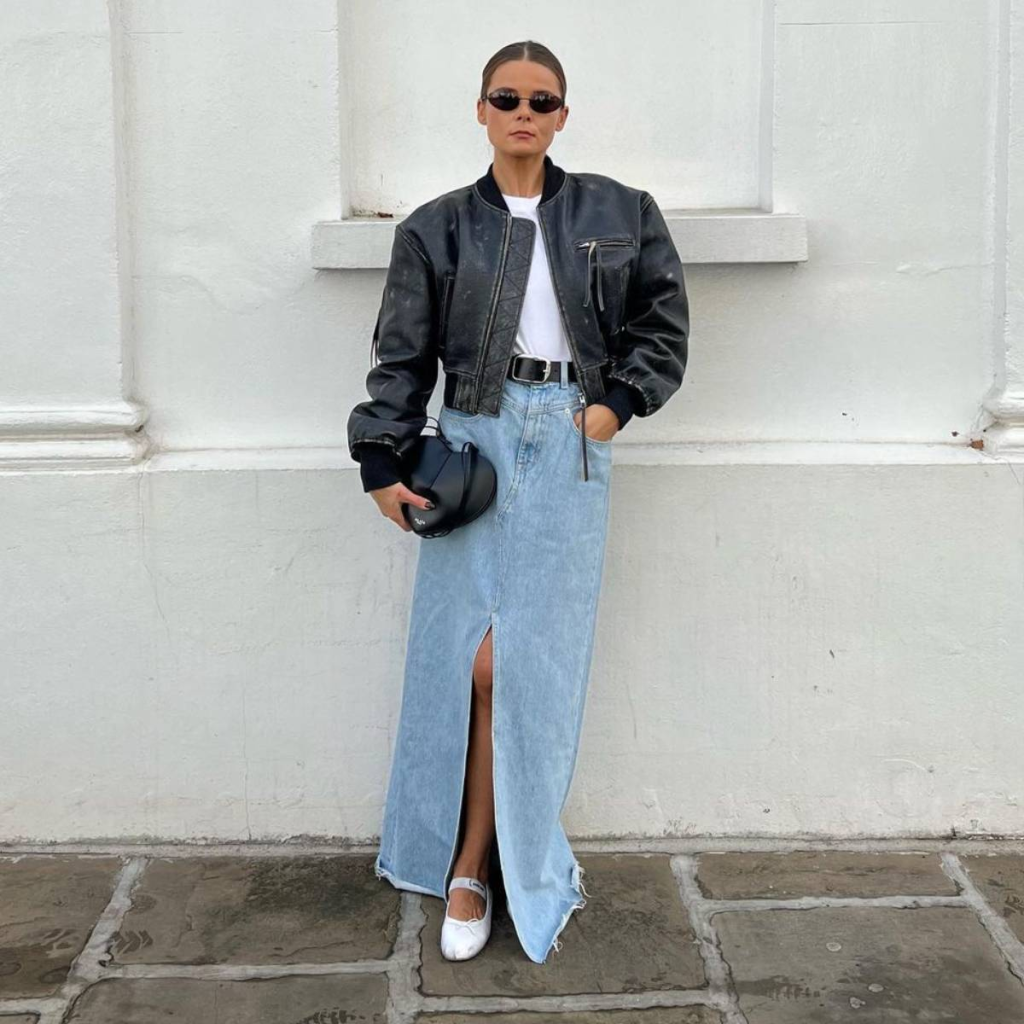
4) Leather (or faux) blazer + denim skirt
Why it works: Texture contrast = instant interest. Pick an A-line or pencil midi denim skirt; pair with a crisp knit or button-down. Footwear can edge the look up or down—ankle boots, kitten-heel pumps, or even sleek cowboy boots if your office culture is creative.
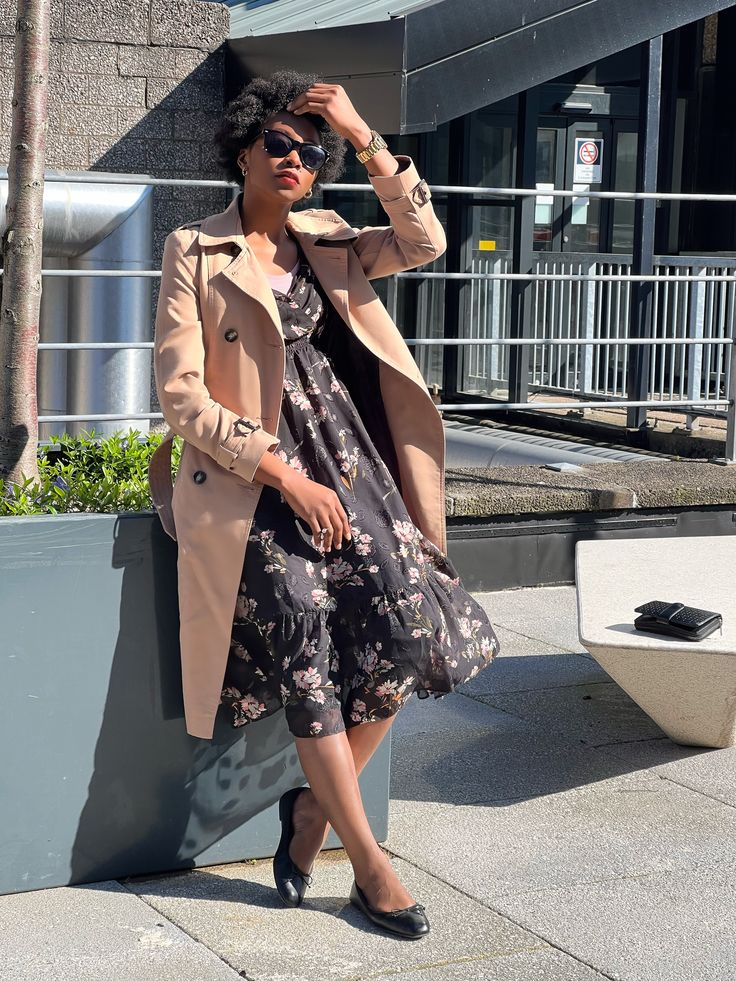
5) The long coat as part of the outfit
Why it works: A tailored, calf-length coat elevates even a simple knit dress. Play with color contrast (forest green coat over camel dress). A good trench or wool coat is a forever piece—Wirecutter has useful buying guidance on trenches: NYT Wirecutter.
6) All-black tonal layering
Why it works: Monochrome reads expensive, fast. Mix textures—matte wool trousers with a slightly lustrous knit, a smooth leather belt, suede pumps. It’s also travel-proof and camera-friendly.
7) Blazer dress + refined sneakers
Why it works: A tailored mini/midi blazer dress balances sport with structure. Choose minimal, low-profile leather sneakers (no loud logos). Confirm your dress code—law or finance might still require dress shoes.
8) Wrap dress + work tote
Why it works: Adjustable waist = comfort all day (and after lunch). Choose opaque knits or lined wovens for smooth lines. Add a stable block heel or almond-toe flat. Classic for a reason—defintely not boring when you lean into color or print.
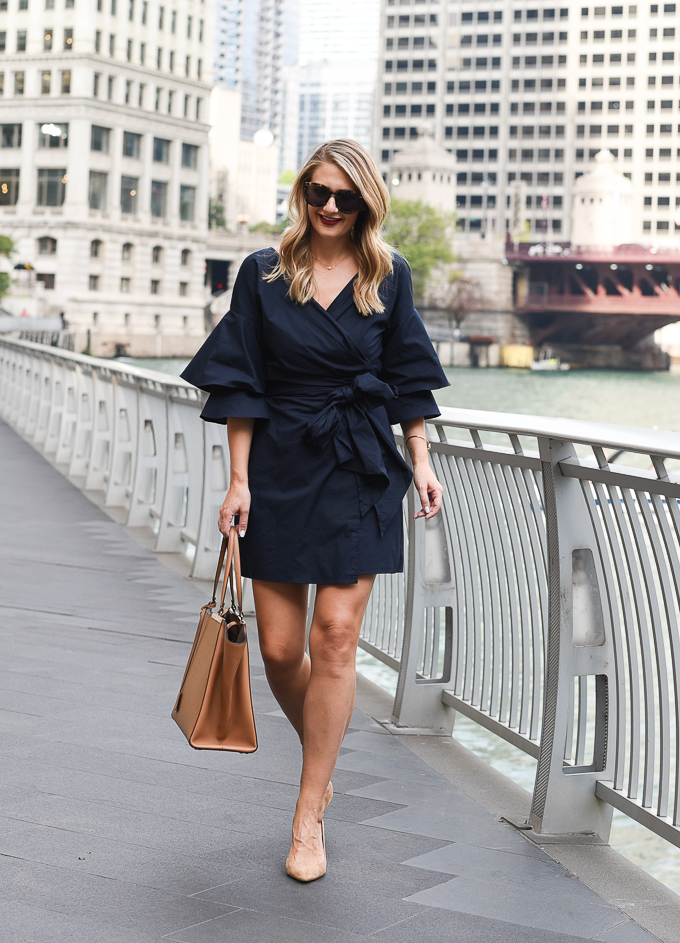
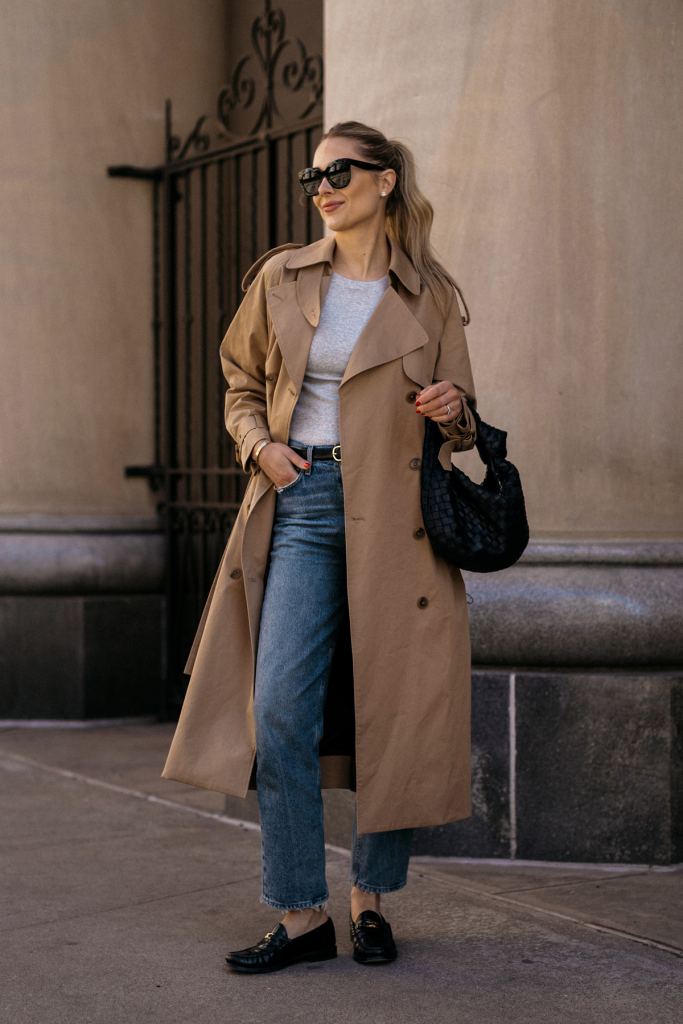
9) Trench coat + jeans (smart casual)
Why it works: The trench sharpens denim instantly. Medium to dark-wash straight jeans, a fine-gauge crewneck, and heeled boots or loafers. A little Carrie-Bradshaw-in-SoHo energy never hurts on a Friday.
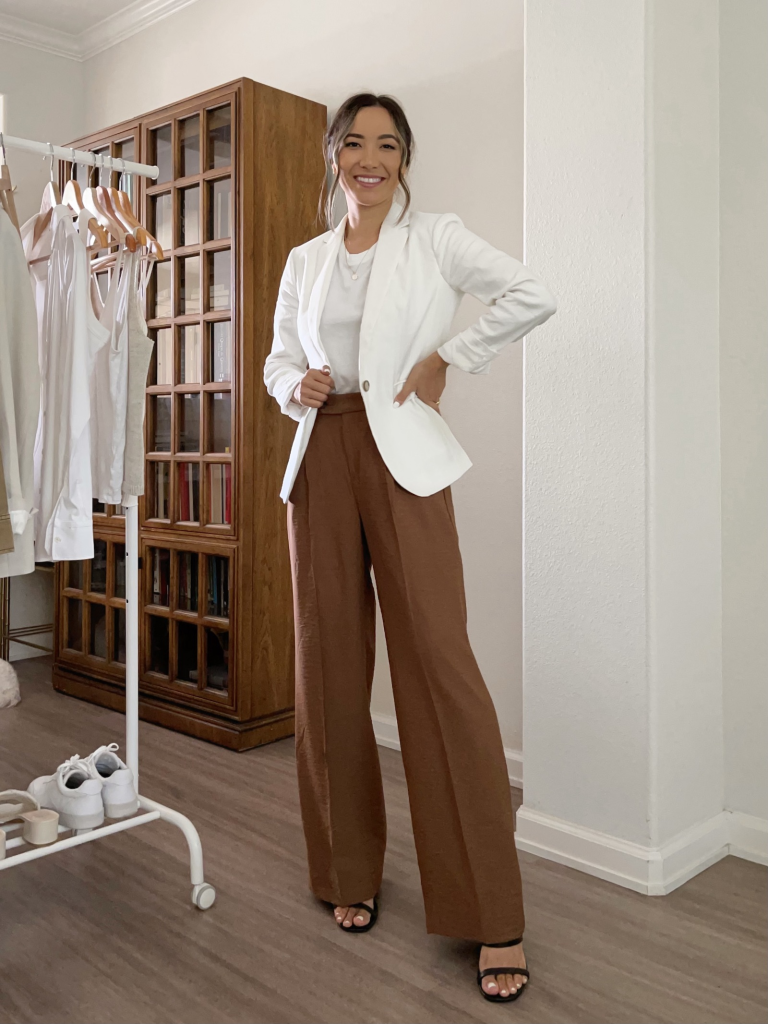
10) Wide-leg trousers + blazer + fitted tee/tank
Why it works: Volume on bottom, fitted layer under the jacket keeps proportions right. Hem trousers to graze the top of your shoe for a long line. Strong choice for presentations and commuting comfort.
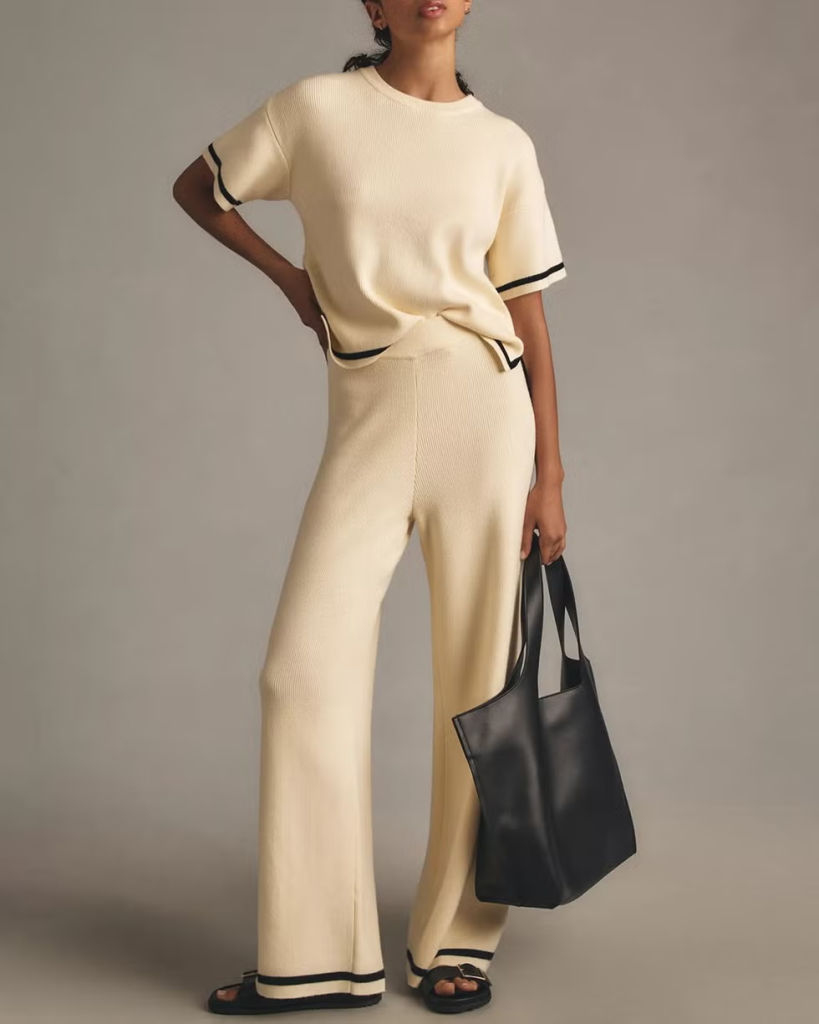
11) Matching knit set or suit set
Why it works: Zero effort, high polish. Knit skirt-and-top sets or softly tailored suits let you swap in sneakers, flats, or pumps and still look intentional. A lifesaver on “not-thinking-about-it” mornings.
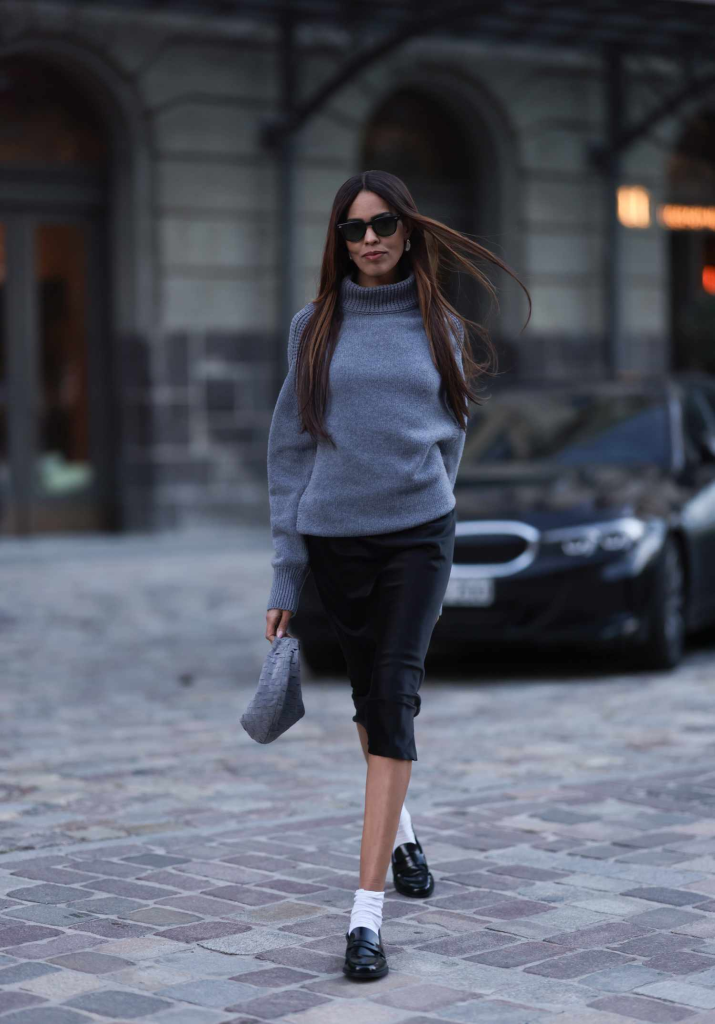
12) Asymmetrical skirt + fitted sweater
Why it works: Asymmetry adds movement without being loud. A fitted turtleneck or crew balances the line; try tonal shades (charcoal top with graphite skirt) for “quiet luxury.” Finish with mid-heel pumps or tall boots.
13) Turtleneck under a V-neck sweater (Blair Waldorf core)
Why it works: Two light layers are warmer and neater than one heavy one. Add opaque tights and knee-high leather boots as temps drop. Preppy, but modern with clean lines and minimal jewelry.
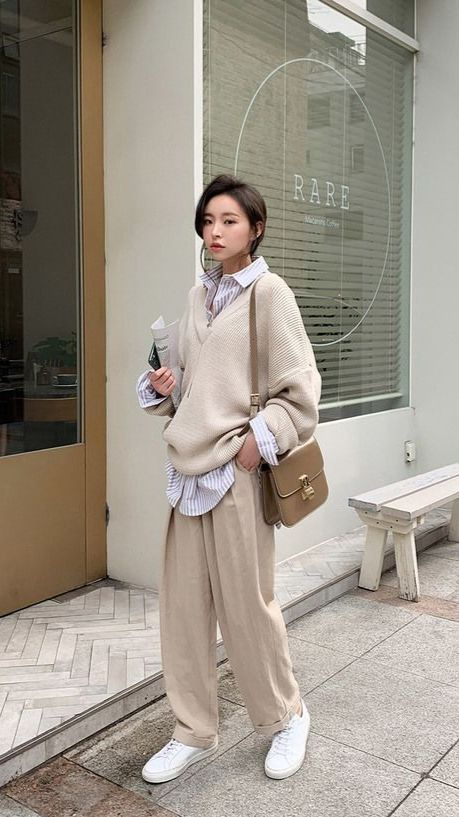
14) Cropped jacket + tailored jeans
Why it works: A shorter jacket sharpens the waist and plays well with high-rise denim. Keep denim clean (no distressing) and pair with heeled ankle boots or sleek flats. Works best in business casual or creative offices.
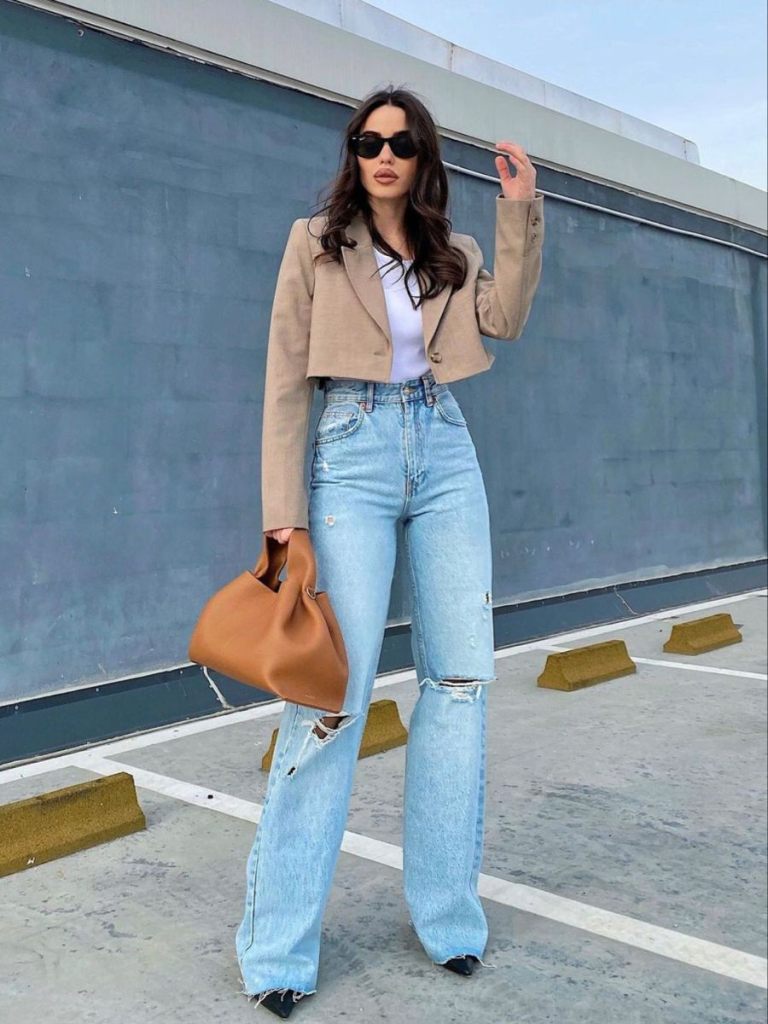
15) Bermuda shorts + long-sleeve shirt (seasonal, policy-permitting)
Why it works: Tailored, knee-grazing shorts with a structured shirt and ballet flats feel architectural, not casual. Add sheer tights when it gets cooler. Triple-check your dress code on shorts first.
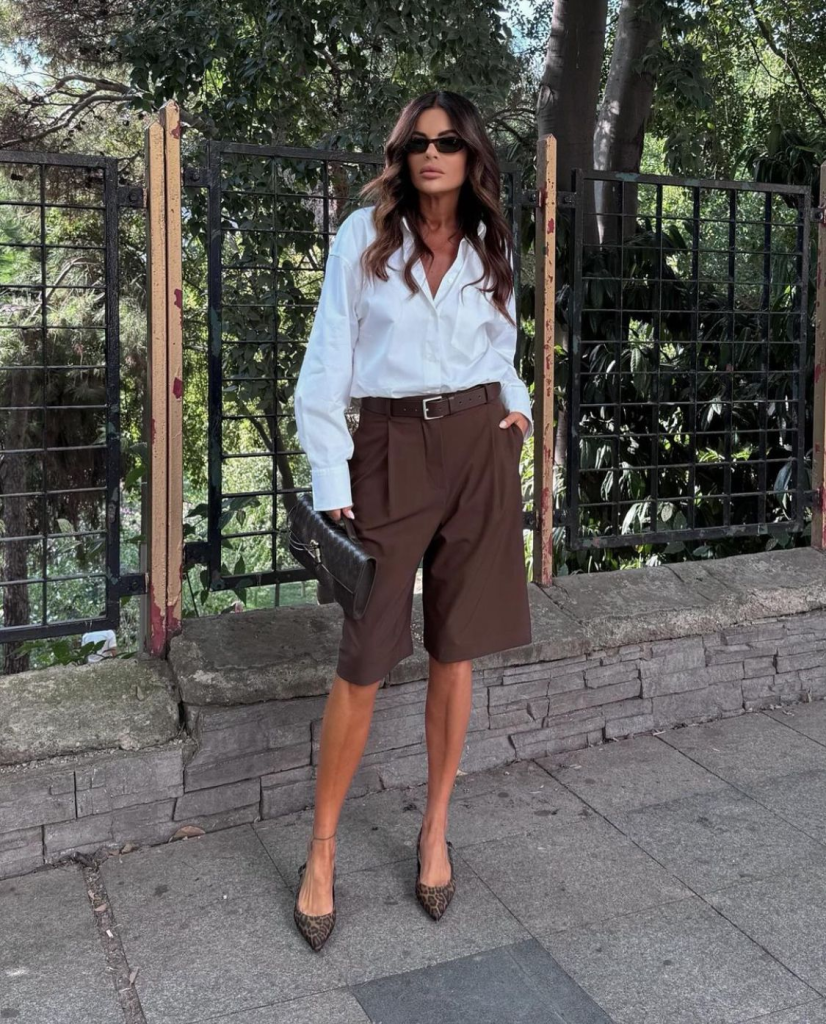
16) Full suit + minimalist sneakers
Why it works: Tailored suiting with clean leather sneakers balances authority and ease. Choose tonal or white sneakers without contrast soles for the most polished effect. If in doubt, keep this for Fridays or creative teams; some industries still require dress shoes.
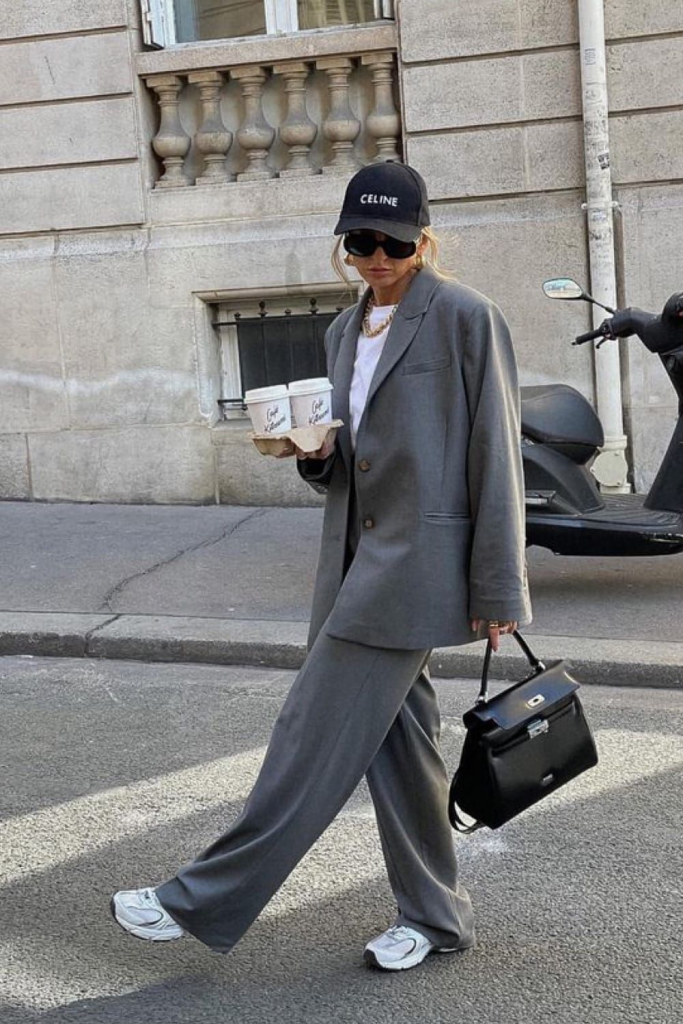
17) Tailored trousers + cozy sweater
Why it works: Structure + softness = all-day comfort. Choose a slightly cropped or front-tucked sweater to show the waistband. Hem trousers to showcase your shoes—chunky loafers, classic pumps, or smart sneakers (policy allowing).
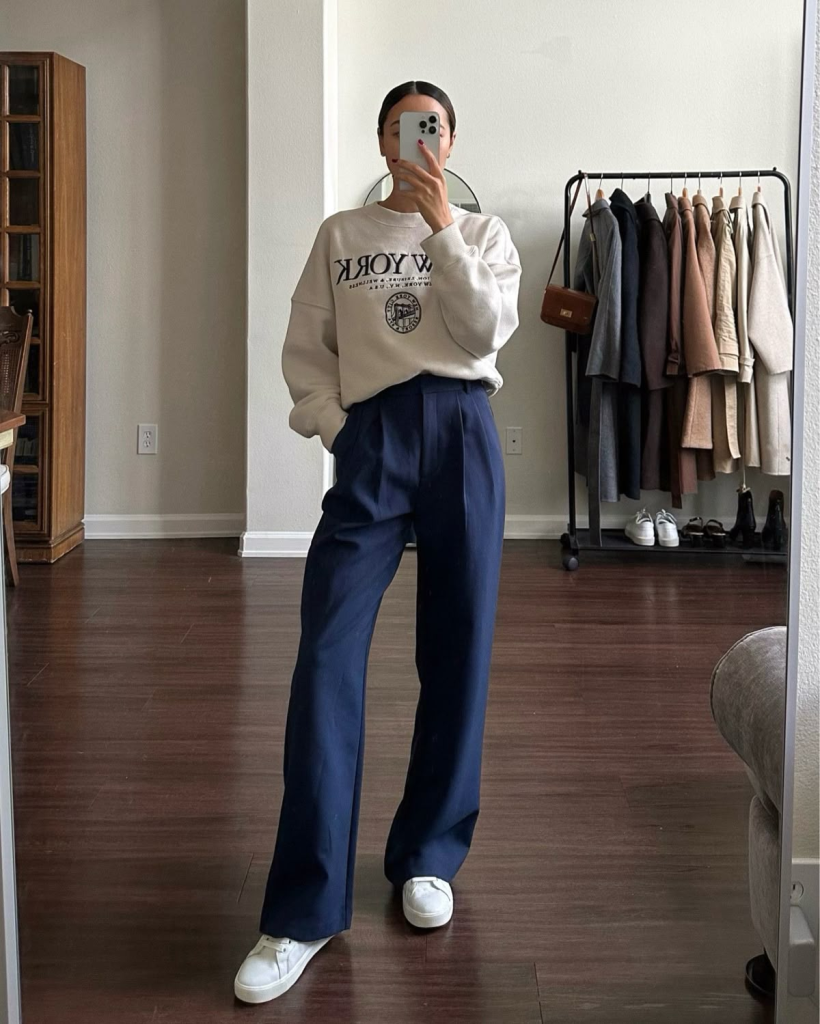
18) Relaxed vest + tailored shorts (layered for fall)
Why it works: Unexpected and modern. Keep the vest and shorts in suiting fabric and add a long-sleeve tee or thin knit underneath. Finish with loafers or ankle boots and opaque tights later in the season.
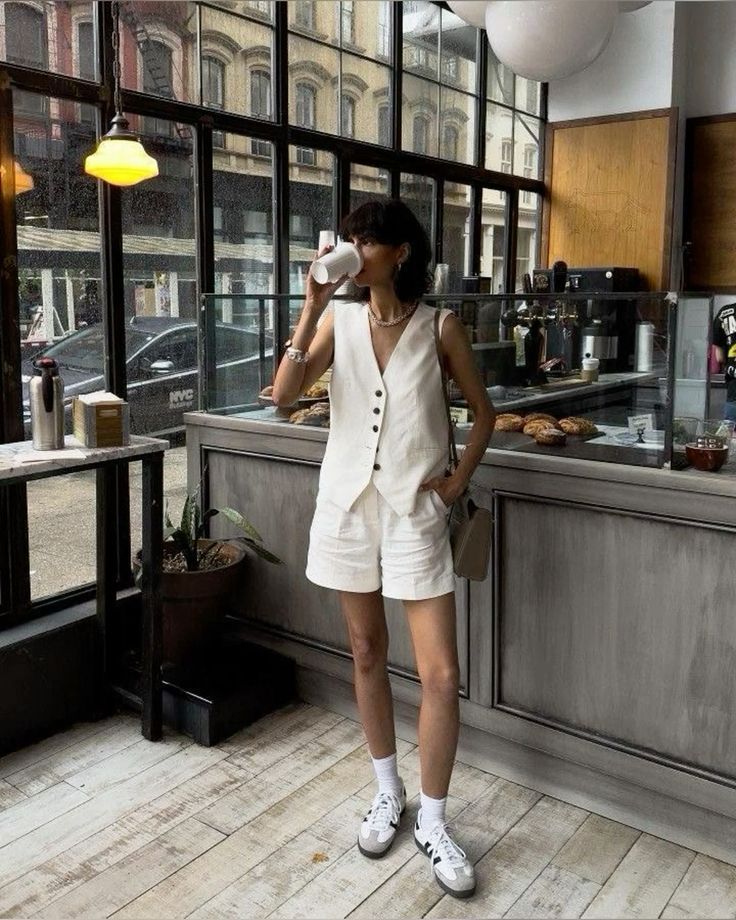
19) Oversized blazer + relaxed jeans + crisp shirt (“eclectic grandpa”)
Why it works: The slouch reads intentional when paired with neat hair and statement earrings. Keep jeans dark and un-ripped; anchor with loafers or ankle boots. Size up in the blazer, not the shirt, to avoid boxy on boxy.
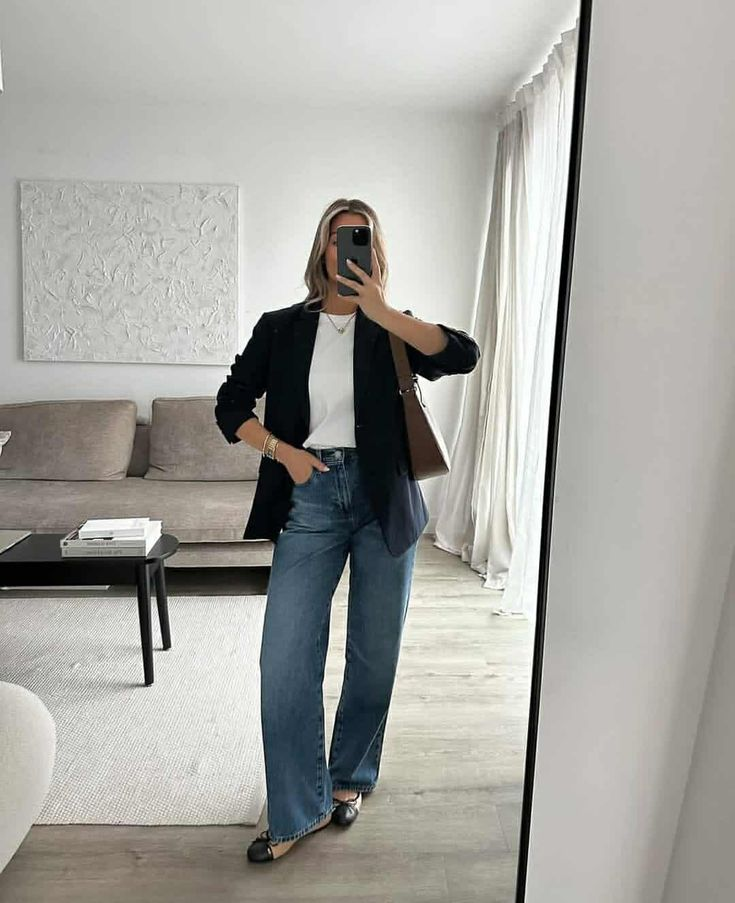
20) Knit dress + trench
Why it works: A fine-rib or Milano knit holds shape and layers smoothly under a trench. Add pumps or ankle boots. It’s the “I have five minutes to get ready” solution that always looks finished.
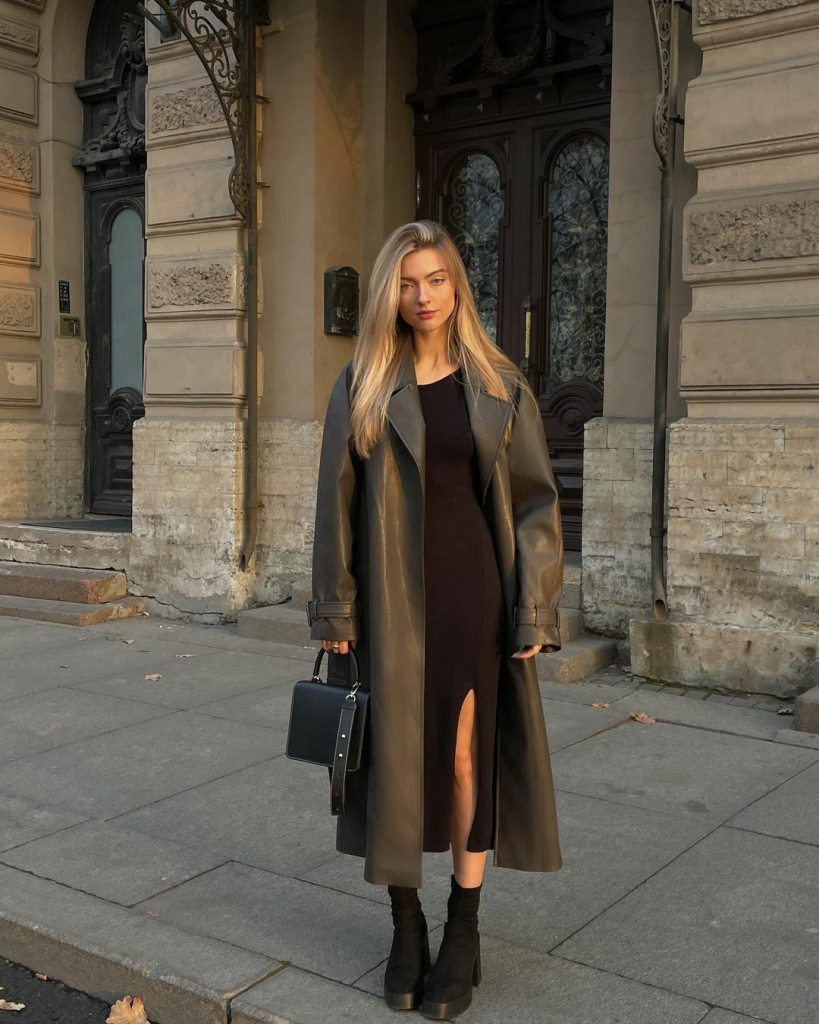
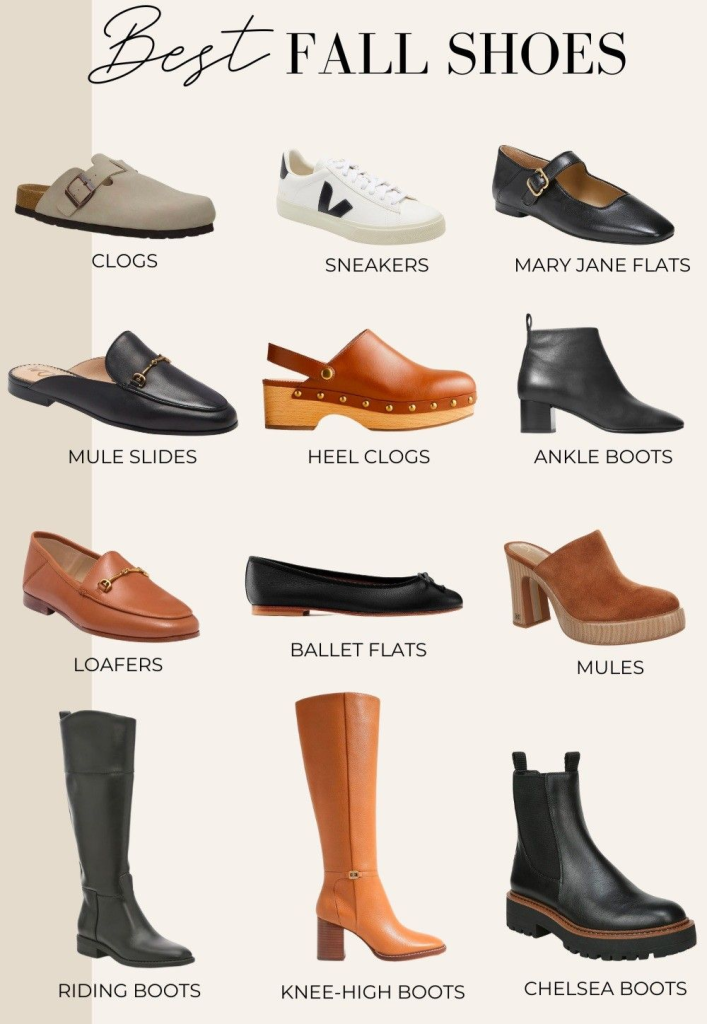
Footwear That Works All Day
• For heels: Block heels or kitten heels (1–2 inches) distribute weight more evenly. Cushioning and proper width reduce forefoot pressure. See APMA’s guidance: APMA.
• Flats and loafers: Look for arch support and a firm heel counter. A lug sole adds traction in wet leaves and won’t sink into subway grates—ask me how I know.
• Boots: Ankle boots with a slim shaft tuck under wide-leg trousers; knee-high boots streamline midi skirts and dresses. Waterproof finishes extend lifespan.
Color Palettes That Always Look Elevated
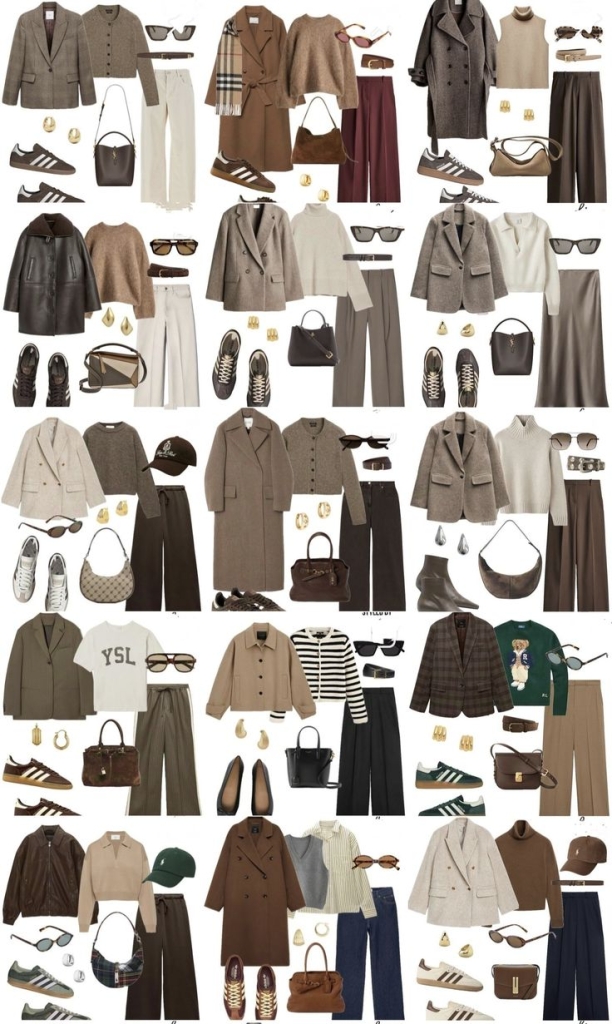
• Earth tones: Camel, espresso, olive, oxblood. They play well with gold jewelry and brown leather accessories.
• Cool core: Charcoal, navy, slate, optic white. Great with silver jewelry and black leather.
• Tonal dressing: Same color, different shades adds depth without risk. Monochrome is also camera-friendly for hybrid/remote calls.
Sustainability and Cost-Per-Wear
• Buy fewer, better: Focus on pieces you can style 3+ ways. Circular fashion data shows resale and longer wear reduce footprint; see the ThredUp Resale Report: ThredUp and the Ellen MacArthur Foundation’s framework: EMF.
• Certifications to know: OEKO-TEX for tested harmful substances (OEKO-TEX), Fair Trade Certified (Fair Trade).
Laundry and Care That Extends Lifespan
• Wash less, air more: Many wool and denim items benefit from airing out. Use mesh bags for delicates and sweaters; lay knits flat to dry to avoid stretching.
• Pilling happens: A fabric shaver or sweater stone makes knits look new. Tailor loose buttons and hems immediately—future you will be grateful.
What to Skip (Usually)
• Distracting distressing, high-contrast logos, ultra-mini hemlines for conservative offices, and shoes you can’t actually walk in. If you’ll be miserable by lunch, it’s a no from me.
Fast Fit Notes by Body Type and Height
• Petites: Cropped blazers and high-rise, full-length trousers create length; avoid oversized everything at once.
• Tall: Lean into midi/maxi lengths and longer-line blazers; check sleeve and inseam measurements (look for tall sizing when possible).
• Curvy: Knits with structure (Milano, ponte), wrap shapes, and darts deliver shape without cling. Belts can be your best friend over blazers and dresses.
• Athletic/straight: Add volume or peplum at the hip, or pleated wide-legs to create curves; double-breasted blazers add dimension.
FAQ
Are jeans okay at the office? It depends. Many organizations allow dark, non-distressed denim on casual days. When in doubt, check policy or ask HR. For dress-code policy context: SHRM.
How high can my heels be? There’s no universal rule, but for all-day wear, podiatrists often recommend moderate heights and supportive construction. Reference: APMA.
Do clothes really affect performance? Studies suggest attire can influence confidence and cognitive processing. See Slepian et al. (2015) and Adam & Galinsky (2012): SPPS, JESP.
A Minimal Fall Workwear Checklist
- 1–2 blazers (one neutral, one textured or color)
- 2 trousers (wide-leg and straight/bootcut)
- 1 structured midi skirt
- 1 knit dress (fine rib or Milano)
- 2–3 sweaters (thin turtleneck, crew, cardigan)
- 2 blouses (silk or silky-effective alternatives)
- 1 long coat or trench
- Dark, non-distressed jeans (if policy permits)
- Loafers + ankle boots + low/kitten-heel pump
- Tights, belts, and two everyday bags (tote + crossbody)
Final thought: Use these formulas as a starting point, not a cage. The most professional outfit in the room is the one that meets the dress code, respects the culture, and lets you move, think, and lead without fuss. If it makes you stand a little taller, you’re probably on the right track.


