


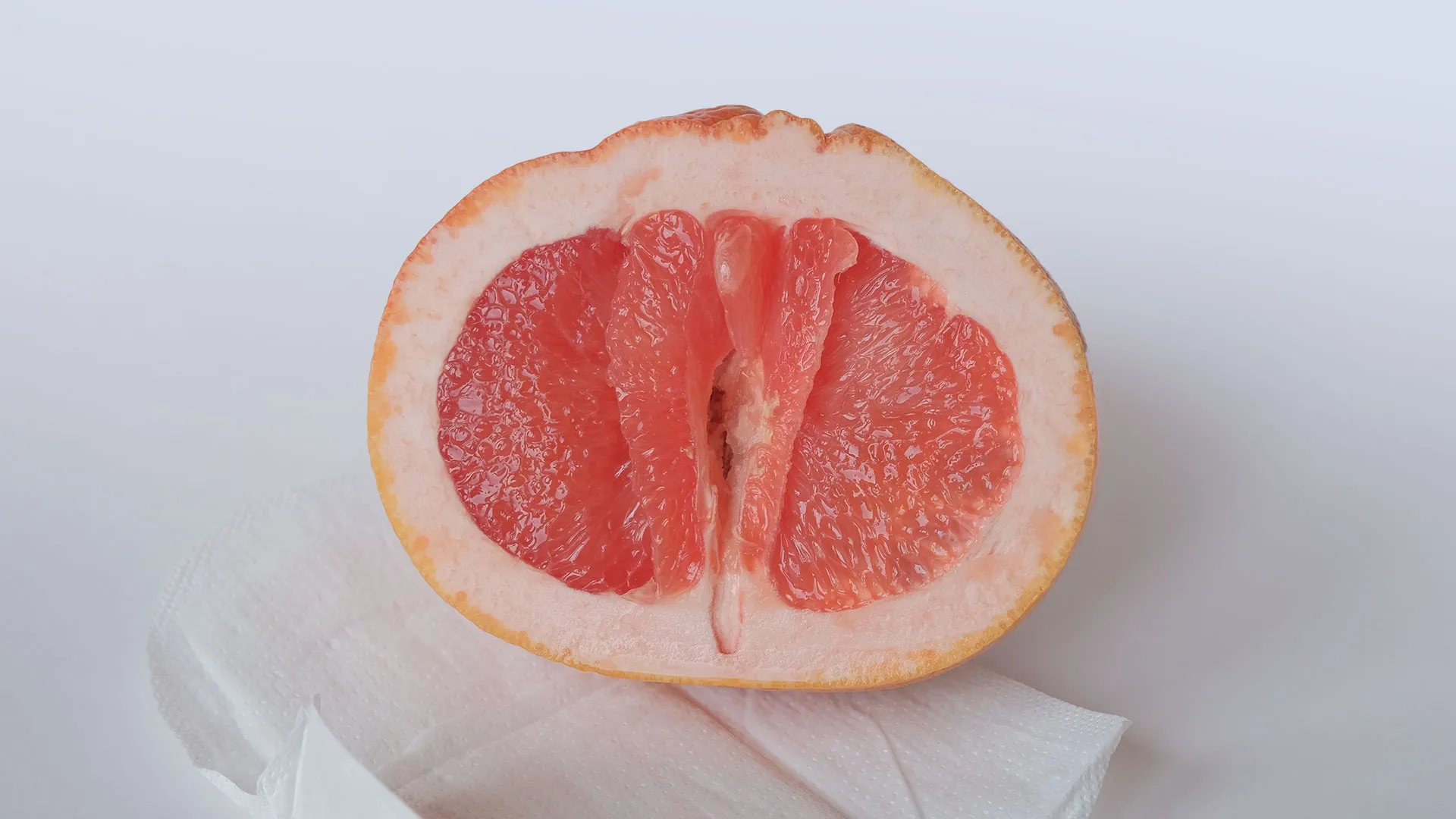
GLP-1 medicines (think Ozempic, Wegovy, Zepbound) have moved from specialty clinics to dinner-table talk. The benefits for many people with obesity or type 2 diabetes are real and well documented, from significant weight loss to improved glycemic control. But as with any rapid body change, new side effects—some expected, some anecdotal—are bubbling up online. One of the latest terms you’ll see is “Ozempic vulva.” It’s not a medical diagnosis, but a popular shorthand people are using to describe either cosmetic changes (skin laxity, reduced volume of the labia majora) or symptoms (dryness, irritation, discomfort) after weight loss on GLP‑1s.
I dug into the science, clinical guidance, and what’s plausible biologically. Bottom line: there’s no proof that semaglutide directly harms the vulva. However, rapid fat loss and hormone shifts can plausibly change the look and feel of vulvar and vaginal tissues in some people—especially if you’re perimenopausal or postmenopausal. Here’s a clear-eyed look, with evidence and practical options.
Quick definitions: vulva vs. vagina (it matters)
The vulva is the external genital area (labia majora and minora, clitoris, mons pubis, etc.). The vagina is the internal canal. Many people say “vaginal dryness” when they also mean vulvar irritation. The distinction matters because treatments differ. Trusted overview: MedlinePlus.
GLP‑1s 101: what these drugs do—and how fast weight can change
Ozempic (semaglutide) is FDA‑approved for type 2 diabetes; Wegovy (also semaglutide) is approved for chronic weight management. They’re in a class called GLP‑1 receptor agonists that reduce appetite and slow gastric emptying. In large clinical trials, people with obesity taking semaglutide 2.4 mg weekly lost about 15% of their body weight on average over ~68 weeks, far more than lifestyle changes alone (NEJM STEP 1). Labels and safety info are here: FDA Ozempic, FDA Wegovy.
Rapid loss of fat mass can also be accompanied by loss of lean mass (varies by person), which impacts skin support. In a body-composition sub‑study, semaglutide reduced fat mass substantially; some lean mass was lost too, though cardiometabolic risk improved overall (Rubino et al., Obesity).
What people are calling “Ozempic vulva” breaks into two buckets
1) Cosmetic changes: skin laxity or “deflation” of the labia majora
This is analogous to the highly publicized “Ozempic face”: when subcutaneous fat volume decreases quickly, skin can appear looser until it readapts. The labia majora are mostly adipose and connective tissue, so the same physics apply. This isn’t a GLP‑1‑specific phenomenon—any substantial weight loss can do it. Dermatology and plastic surgery literature consistently notes that rapid weight reduction may unmask or exacerbate laxity in skin envelopes across the body (StatPearls: Body Contouring).
2) Symptom changes: dryness, irritation, burning, micro‑tearing
Here the mechanism is more complex and, frankly, not fully studied in the GLP‑1 era. Several plausible contributors can stack:
- Lower estrogen signaling in some people after fat loss. Adipose tissue aromatizes and produces estrogens, especially post‑menopause; weight loss can reduce circulating estrogens (McTiernan et al., JCEM; J Steroid Biochem Mol Biol). Estrogen supports vaginal epithelium thickness, elasticity, and lubrication, so drops can feel like perimenopause/menopause symptoms—what clinicians now call Genitourinary Syndrome of Menopause (GSM) (NAMS position statement).
- Dehydration and GI side effects. Nausea, diarrhea, and reduced intake early in GLP‑1 therapy can lead to dehydration, which often worsens mucosal dryness (FDA Ozempic label).
- Friction changes. New exercise routines, tighter clothing after size changes, or new sexual activity patterns can trigger contact dermatitis or micro‑tears in thin, estrogen‑sensitive tissue (ACOG on contact dermatitis).
Important caveat: genital dryness or irritation are not listed adverse reactions in semaglutide’s prescribing information (FDA). That doesn’t mean individuals aren’t experiencing symptoms; it means we don’t yet have high‑quality data attributing cause. I know it’s a bit unsatisfying, but it’s the honest state of the evidence right now.
First rule: rule out other common causes
Before blaming the medication, clinicians typically consider—and test for—other explanations that are more common, particularly in midlife:
- Genitourinary Syndrome of Menopause (GSM): dryness, burning, irritation, dyspareunia (NAMS).
- Dermatoses such as lichen sclerosus or lichen planus (AAFP review).
- Contact irritants (soaps, pads, detergents, leggings) (ACOG).
- Infections: Candida, bacterial vaginosis, STIs (CDC STI Guidelines).

What does the research and guidance actually say?
On GLP‑1s themselves: the most frequent adverse effects are GI‑related (nausea, vomiting, diarrhea, constipation), plus risks like gallbladder disease and rare pancreatitis (FDA Ozempic). The large STEP trials don’t report vulvar/vaginal dryness as a signal (NEJM STEP 1; references).
On estrogen and weight: adipose tissue is an endocrine organ. In postmenopausal women, fat loss can lower circulating estrogen levels, which in turn can drive urogenital symptoms for some individuals (JCEM randomized trial).
On cosmetic procedures marketed for the vulva: ACOG advises caution with “vaginal rejuvenation” procedures that lack robust evidence, and the FDA has explicitly warned about energy‑based devices marketed for this purpose due to burns and scarring risks (FDA Safety Communication; ACOG Committee Opinion No. 795).
Okay, so what can you actually do?
This is general information, not personal medical advice. If symptoms are bothersome, start with your prescribing clinician or a gynecologist before making medication changes. Stopping GLP‑1s abruptly can lead to rebound appetite and weight regain (STEP‑4 withdrawal data).
Evidence‑based symptom relief
- Switch to gentle, fragrance‑free vulvar care: warm water cleanse, avoid harsh soaps, use breathable cotton underwear (ACOG patient guidance).
- Nonhormonal options: regular use of vulvar moisturizers (e.g., polycarbophil‑based) and lubricants during sex (silicone or water‑based). These improve comfort in GSM and dryness (NAMS).
- Low‑dose vaginal estrogen (cream, tablet, or ring) if appropriate for you. Highly effective for dryness and dyspareunia with minimal systemic absorption; discuss contraindications (e.g., certain breast cancers) with your clinician (ACOG Clinical Consensus).
- Other prescription options: ospemifene (a SERM) or intravaginal prasterone (DHEA) for dyspareunia tied to GSM—doctor will screen for risks (FDA on prasterone; FDA on ospemifene).
- Hydration, gradual dose titration, and nutritional adequacy during GLP‑1 therapy can minimize dehydration and support skin health (NEJM STEP 1).
About aesthetic procedures (read this before you book anything)
- Autologous fat grafting to the labia majora: Uses your own fat to add volume. Small case series suggest high satisfaction, but rigorous long‑term safety and durability data are limited (Plast Reconstr Surg Glob Open).
- PRP injections (“vampire” treatments): Platelet‑rich plasma is being used off‑label for vulvar/vaginal applications. Evidence is preliminary and mixed; not FDA‑approved for this indication (Systematic review, J Cosmet Dermatol). Be cautious about marketing claims.
- Energy‑based “rejuvenation” devices (laser/radiofrequency): FDA has warned of burns, scarring, and pain when used for non‑approved “rejuvenation” purposes (FDA Safety Communication).
- Labiaplasty or skin excision: Can address redundant tissue; ACOG recommends thorough counseling on risks, expectations, and alternatives (ACOG).
My two cents: unless you have clear functional issues, give your body time. Skin can adapt over months after weight stabilization. If you pursue procedures, choose board‑certified surgeons who do this work often, and ask about outcomes data. Don’t be shy—good doctors expect these questions.
When to call your clinician sooner rather than later
- Severe pain, ulcers, bleeding, or fever
- Thick white patches, scarring, or architectural changes (possible lichen sclerosus)
- Foul discharge or STI exposure
- Symptoms that persist beyond a few weeks despite gentle care
Also talk with your prescriber if symptoms coincide with GLP‑1 dose increases. Sometimes spacing titration or adjusting the dose plan can help. Please don’t stop medications abruptly without a plan—you worked hard for those cardiometabolic wins.
A quick note on the hype cycle
Search interest for “Ozempic vulva” has spiked in recent weeks (just peek at Google Trends). Social media makes everything feel more common than it is. That doesn’t mean your experience isn’t valid—it is. It just means we need careful studies before drawing hard conclusions. This is one of those topics where anecdotes arrived before the data. It happens.
The bottom line
“Ozempic vulva” isn’t a formal diagnosis. Cosmetic changes to the labia majora with rapid weight loss are plausible and not unique to GLP‑1s. Dryness and irritation can have multiple causes; in some people, reduced estrogen signaling after fat loss might contribute. Start with simple vulvar care, consider evidence‑based therapies (lubricants/moisturizers; for appropriate candidates, low‑dose vaginal estrogen), and involve your clinician to rule out other conditions. Be careful with trendy procedures that outpace the science.
And if you like how you feel on your GLP‑1—more mobile, less joint pain, better glucose—protect those gains while you sort the rest. Health is rarely tidy. That’s okay, honestly.
Sources and further reading
- Semaglutide for weight management (STEP 1): NEJM
- Ozempic FDA prescribing information: FDA; Wegovy label: FDA
- Body composition changes with semaglutide: Obesity (Rubino et al.)
- Weight loss and sex hormones in postmenopausal women: JCEM; adipose as estrogen source: J Steroid Biochem Mol Biol
- GSM (vulvovaginal atrophy) guidance: NAMS Position Statement; ACOG on treatment in special populations: ACOG Clinical Consensus
- Vulvar dermatoses: AAFP Review
- Energy‑based vaginal “rejuvenation” warnings: FDA Safety Communication; ACOG on elective genital cosmetic surgery: ACOG
- Autologous fat grafting to labia majora (case series): PRS Global Open
- Stopping semaglutide and weight regain (withdrawal): Nat Med (STEP‑4)
- CDC STI Treatment Guidelines (differential dx): CDC


