


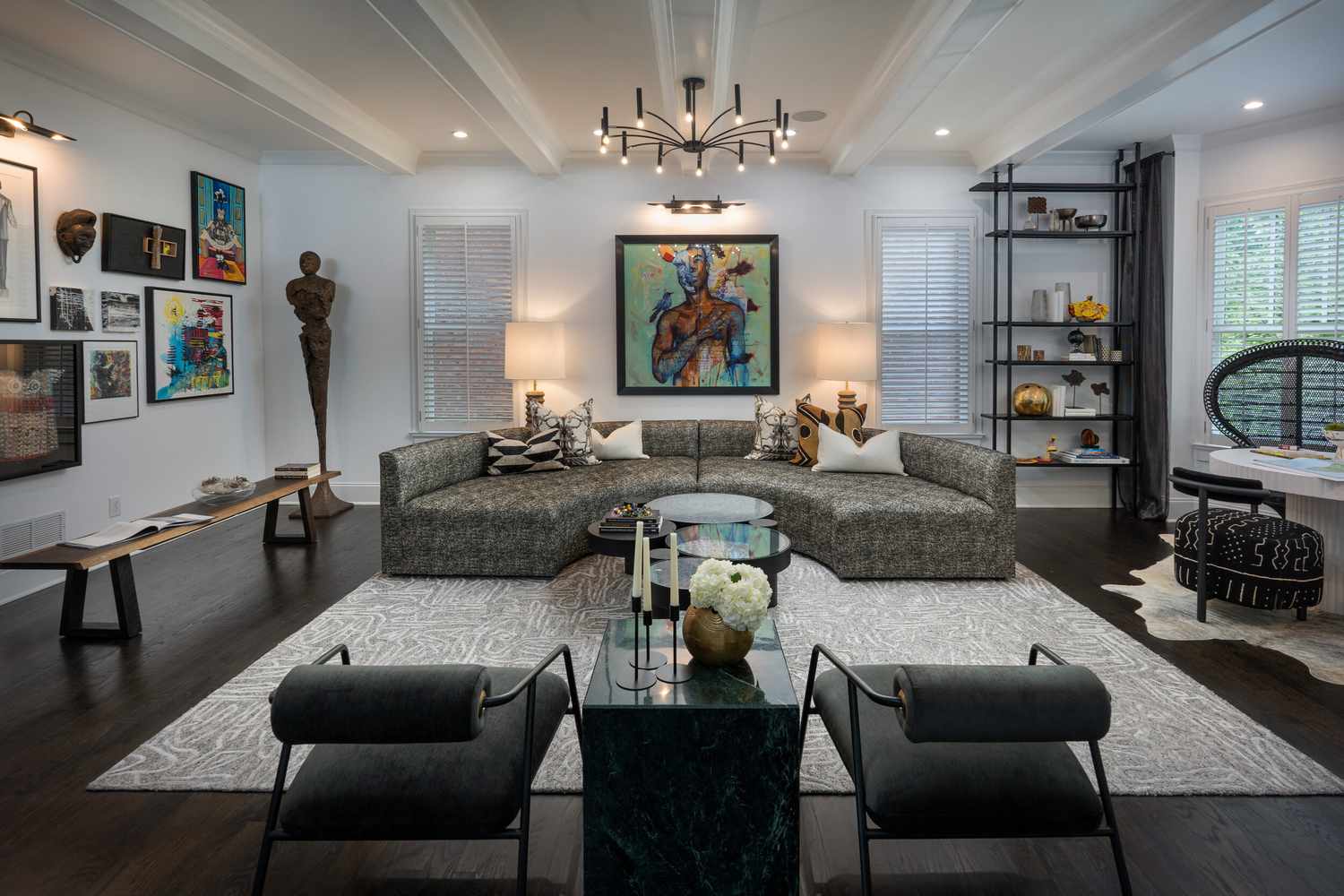
Even if you don’t think you know Art Deco, you probably do. Picture the shimmering Chrysler Building’s spire, a Gatsby-era cocktail bar, ocean-liner curves in Miami Beach—sleek geometry, luxe materials, unabashed glamour. Art Deco emerged in the 1910s and reached its peak between the 1920s and 1930s, taking its name from the 1925 Exposition Internationale des Arts Décoratifs et Industriels Modernes in Paris. It celebrated modernity, the machine age, and a confident, cosmopolitan lifestyle. If you’re curious how to translate that spirit at home—without turning your living room into a period set—this guide breaks down the core principles, offers practical tips at different budgets, and links to trusted sources so you can dive deeper.
What Is Art Deco? A 30-Second Primer
Art Deco fused craftsmanship with industrial innovation: repetitive geometry, stepped forms, sunbursts, zigzags, chevrons, inlays, exotic veneers, lacquer, mirrored surfaces, chrome and stainless steel, etched or frosted glass, and bold color contrasts (black and gold, cream and chrome, emerald, sapphire, ruby). It’s glamorous but disciplined, ornamental yet streamlined—a style that moved from Paris to New York, Miami, and beyond.
- Origins: The 1925 Paris exposition codified the movement’s identity (Britannica).
- Timeline: Flourished c. 1920–1940; later morphed into Streamline Moderne in the 1930s (Britannica: Art Deco; Britannica: Streamline Moderne).
- Icons: The Chrysler Building (1930), Radio City Music Hall (1932), Miami Beach Historic District (Britannica; U.S. National Park Service).
- Materials: Chrome and stainless steel went mainstream in this era (Britannica), as did early plastics like Bakelite (Smithsonian).
For visual context and museum-grade examples, see essays and collections from the V&A Museum and The Met, including designers like Jacques-Émile Ruhlmann (sumptuous furniture), Jean Dunand (lacquer and metalwork), Eileen Gray (innovative furnishings), and René Lalique (glass and jewelry). Sources: V&A: Art Deco, Britannica: Ruhlmann, Britannica: Dunand, Britannica: Eileen Gray, Britannica: Lalique.
The Hallmarks (and Why They Still Work)
- Geometry and repetition bring order—easy to mix with contemporary minimalism.
- High-shine metals and glass add light and reflectivity, making small spaces feel larger.
- Luxe textiles like velvet and silk create tactility and warmth (balanced by clean lines so it never feels fussy).
- Lighting is statement-making but functional—globes and sunburst motifs distribute light beautifully.
- Animal-inspired prints and patterns add a whisper of wildness; use responsibly and ethically.
Interest in the style has been cyclical for a century and remains strong today; you can track search popularity yourself on Google Trends. The secret to keeping it current is restraint: pair Deco forms with today’s airy layouts, matte walls, and natural light.
How to Get the Look: 5 Pillars You Can Actually Use
1) Geometry and Lines: Start with Structure
Art Deco celebrates repetition and rhythm—chevrons, zigzags, stepped profiles, and precise moldings. You don’t need paneled walls to pull this off. Try these:
- Rugs and textiles: Choose a geometric rug in black/ivory or jewel tones to anchor the room.
- Bedding and pillows: Layer chevrons or fan motifs against solids to keep it calm, not chaotic.
- Casegoods: Look for credenzas with stepped plinths or fluted fronts; coffee tables with waterfall edges nod to Streamline Moderne.
- Walls: If molding is too much, stencil a subtle fan pattern or hang a single large-scale geometric print.
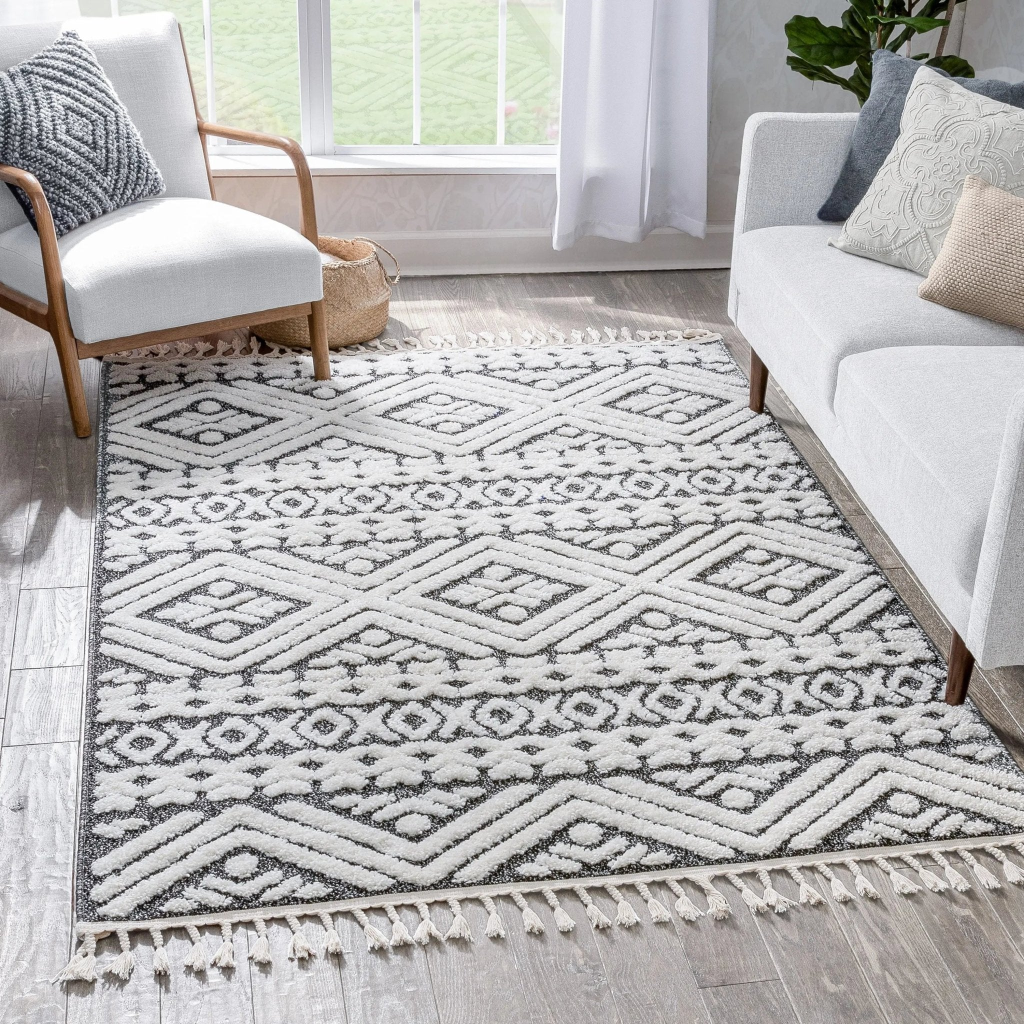
Reference: crisp motifs and stepped forms are documented across museum collections and architecture from the era (V&A; NPS Architectural Style Guide).
2) Machine-Age Materials: Chrome, Stainless, Lacquer, and Mirror
Deco design reveled in new industrial materials. Stainless steel (commercialized in the 1910s and widely adopted by the 1920s) and chrome plating gave interiors a futuristic sheen; mirrored and lacquered surfaces amplified light and drama. Sources: Britannica; Smithsonian on early plastics.
- Kitchen and bath: You probably already have stainless. Echo it with chrome cabinet pulls, a ribbed chrome tray, or a mirrored backsplash panel.
- Furniture: A single lacquered console or a mirrored nightstand can make the room feel instantly more “Deco.”
- Hardware and trims: Swap matte black for polished chrome or nickel to bring in subtle shine.
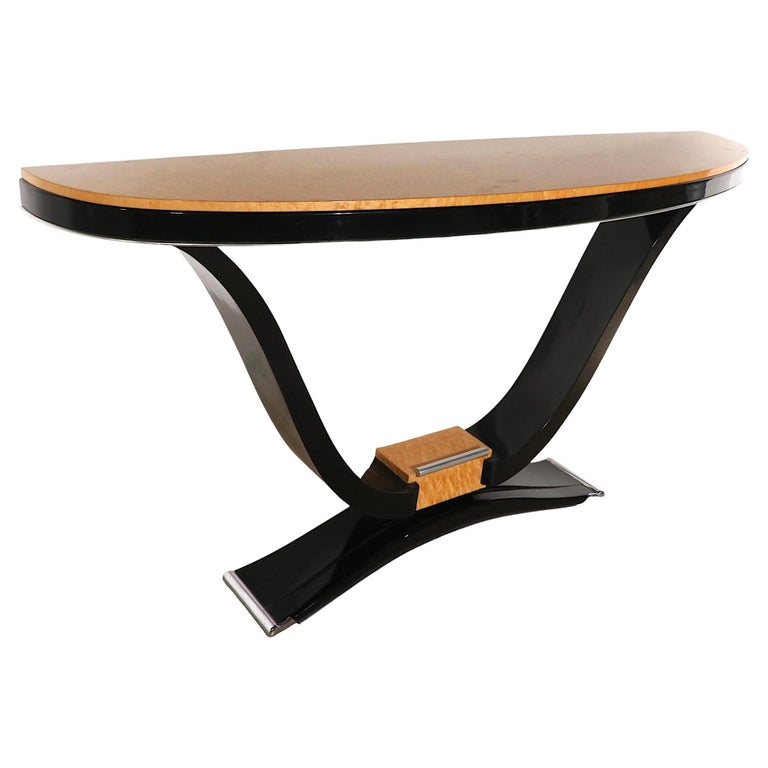
Practical note: True lacquer is high-VOC; waterborne finishes are lower-odor. If you’re refinishing, ventilate well and follow guidance on indoor air quality (EPA: VOCs). Dont forget felt pads—mirrored and lacquered pieces scuff easily.
3) Velvet and Luxe Textiles: Tactile Glamour
If the Roaring Twenties had a fabric, it’d be velvet. Use it to warm up all that metal and glass. Navy, emerald, oxblood, and charcoal are timeless; camel or blush can soften the palette. Pair with satin piping or contrast welting for a subtle couture detail.
- Upholstery: Reupholster a tired accent chair in performance velvet for durability.
- Pillows and throws: Mix velvet with a small-scale geometric jacquard for depth.
- Window treatments: Floor-length velvet drapery + streamlined hardware = instant Deco drama.
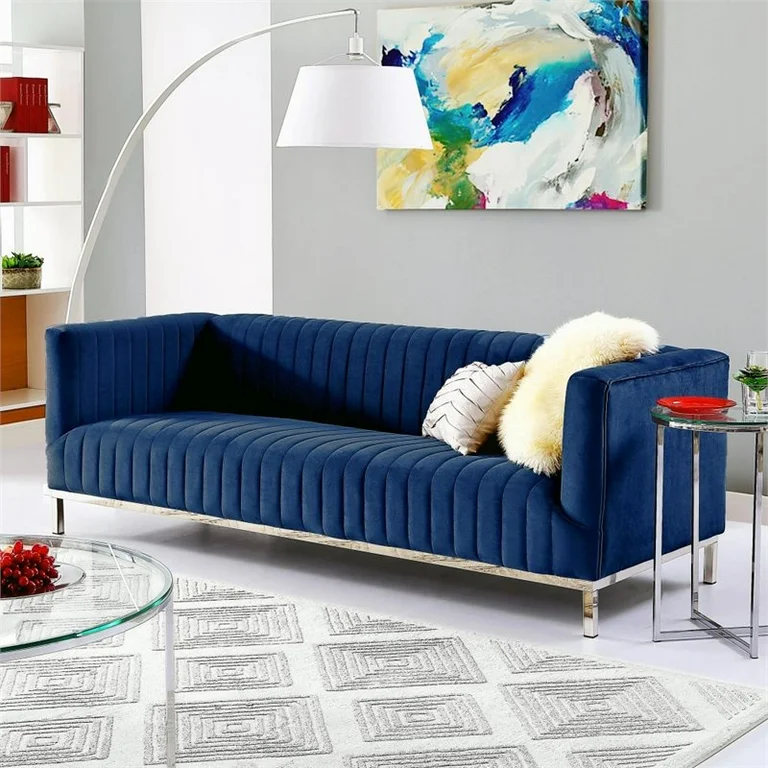
Historic precedent: lavish textiles and exotic surfaces (including shagreen) were central to 1920s luxury interiors (V&A: Shagreen).
4) Lighting: Globes, Sunbursts, and Streamlined Forms
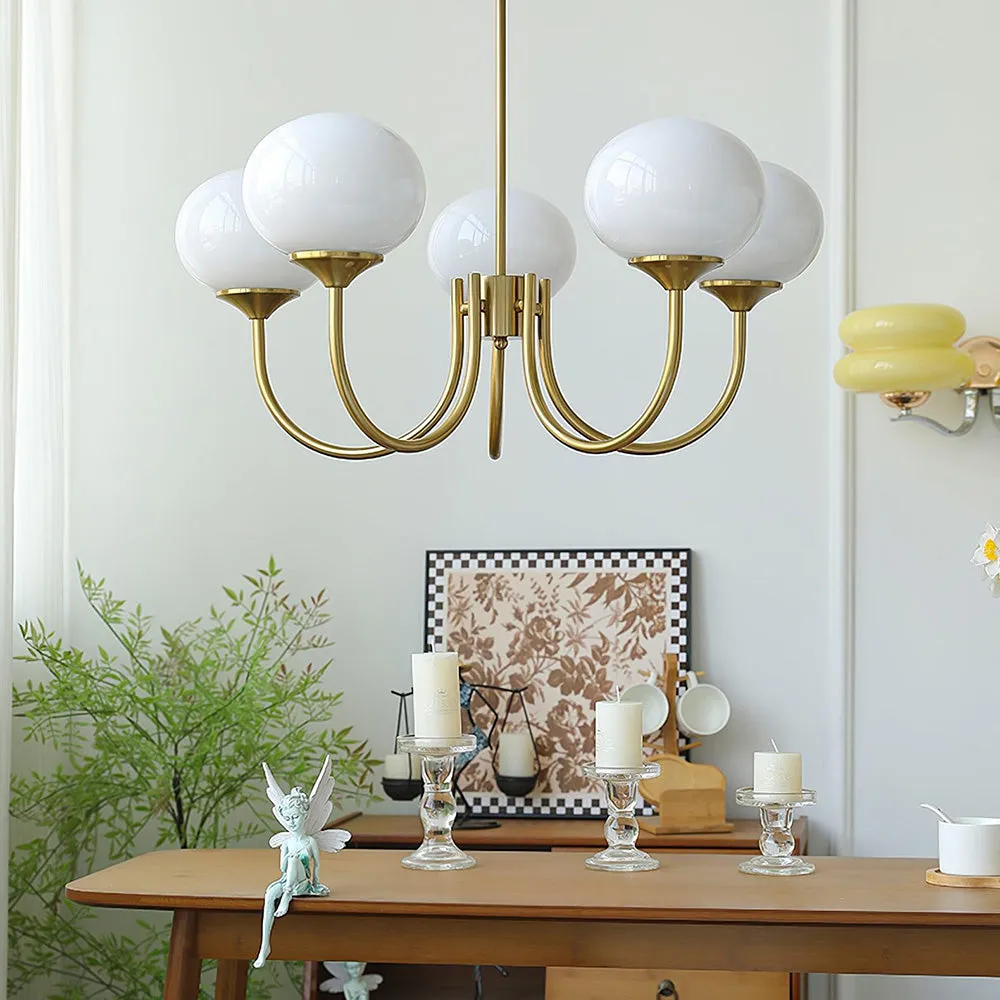
Public Service Announcement: Lighting is the easiest, most timeless way to nod to Deco without going theme-park. Frosted glass globes, tiered chandeliers, and sunburst motifs are design DNA from the period—and they play beautifully with modern rooms. Think sleek, high-shine metals; avoid fussy crystal.
- Ceiling: A tiered drum or stepped chandelier in polished nickel feels authentic and current.
- Wall: Ribbed glass sconces or torchère shapes give flattering, diffuse light.
- Table/floor: Column, obelisk, or dome forms reference classic Deco silhouettes.
Safety tip: If you’re restoring vintage fixtures, have them checked to current electrical standards (NEC) by a licensed pro (NFPA 70: National Electrical Code).
5) Animal-Inspired Prints (Ethically): A Little Wild Goes a Long Way
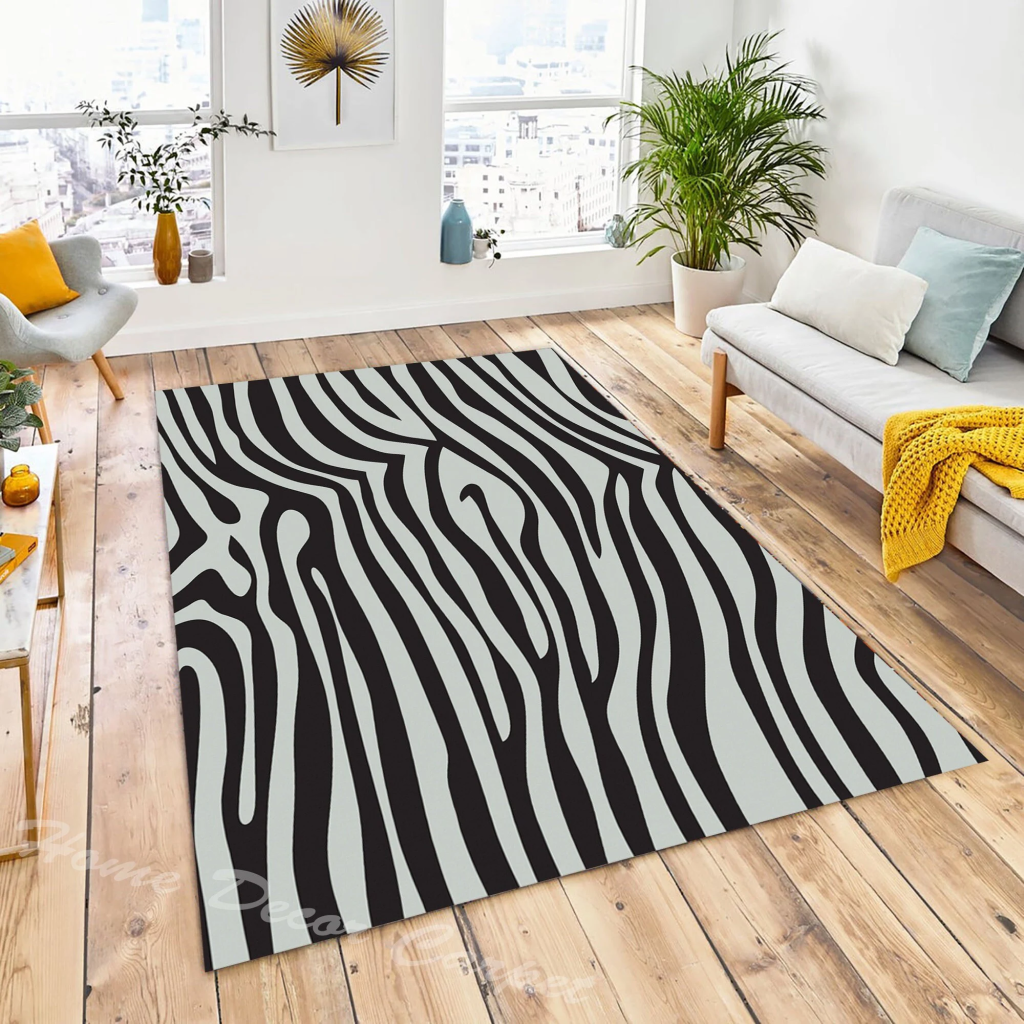
In the 1920s and 30s, exoticism and pre-Depression excess popularized animal motifs. Today, the ethical route is easy: opt for faux zebra, leopard, or tiger patterns in rugs, pillows, or a single ottoman. A small accent adds verve without overwhelming the room.
- Balance: Use one bold animal print per space and echo the tones elsewhere (e.g., camel leather, black trim).
- Ethics: Avoid wildlife products that may violate international regulations (CITES; U.S. Fish & Wildlife Service).
Color, Scale, and Mixing: Make It Feel 2025 (Not 1929)
- Palette: Build from neutrals (warm white, soft gray, greige) and add 1–2 jewel tones. Black is your exclamation point; use sparingly.
- Metals: Pick one dominant finish (chrome or polished nickel for classic Deco, brass for warmer glam) and allow a small secondary accent.
- Scale: Overscale art and a single statement light beat many small trinkets. Deco was confident, not cluttered.
- Mixing eras: Pair a velvet sofa with a simple contemporary coffee table; let geometry be the common language. It’s totally fine—definitly better, actually—when every piece isn’t “Deco.”
Room-by-Room Playbook
Living Room
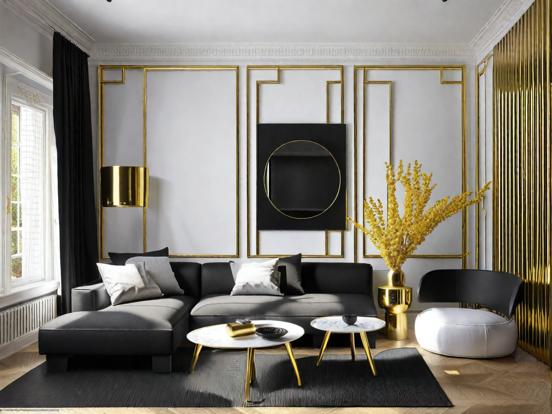
- Anchor with a geometric rug; add a velvet sofa; finish with a mirrored or lacquered side table.
- Hang one large piece of graphic art (fan, sunburst, or abstract geometry). Consider vintage posters from the ocean-liner era (MoMA: Graphic Design).
Bedroom
- Channel-tufted headboard in velvet, globe bedside lamps, and polished metal pulls.
- Keep bedding calm: crisp white with a chevron throw for pattern control.
Kitchen & Bath
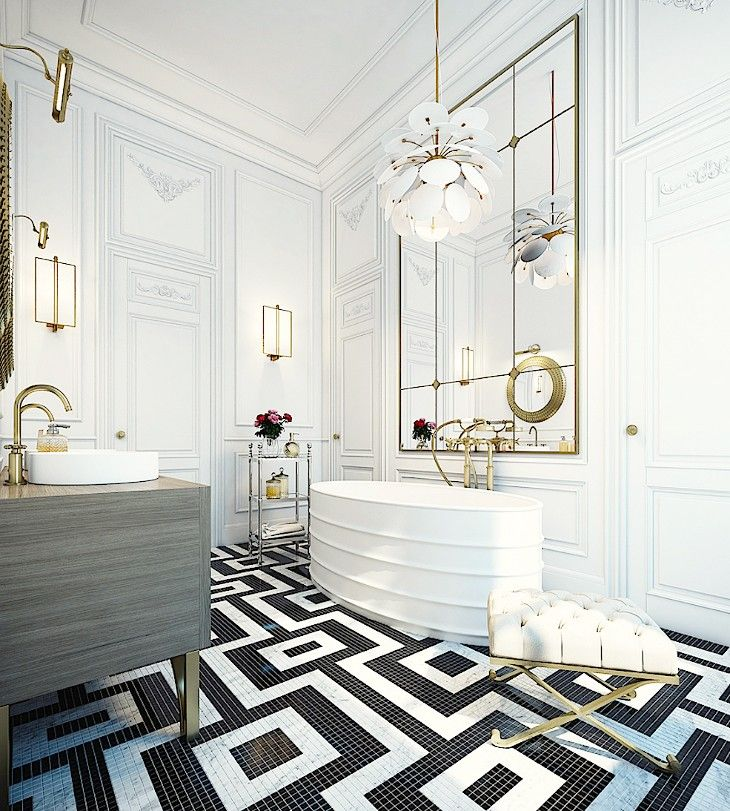
- Add a ribbed-glass or prismatic-glass pendant; swap hardware to polished nickel.
- Tile: Consider a simple black-and-white pattern or a border with stepped corners (easy to maintain, unmistakably Deco).
A Smart Budget: Starter, Mid, Splurge
- Starter (under $300): Geometric rug or runner, two velvet pillows, chrome tray, and a globe flush mount. Shop vintage posters as high-impact art.
- Mid ($300–$2,000): Velvet accent chair, mirrored nightstands, polished-nickel chandelier, geometric drapery. Consider professional re-lacquering of a single hero piece.
- Splurge ($2,000+): Custom channel-tufted sofa or headboard, artisan lacquer cabinet, genuine Deco or Streamline antique lighting (rewired).
Tip: Authentic Deco antiques often sit under “Art Deco” or “Streamline Moderne” categories in reputable marketplaces and auction houses; do your due diligence on provenance and condition. The Met and V&A provide style references to vet details (hardware shapes, veneers, typical construction).
Care and Longevity (So It Ages as Well as the Chrysler Building)
- Chrome and stainless: Microfiber cloth + mild soapy water; avoid abrasive pads to prevent scratches.
- Lacquer and mirror: Soft, barely damp cloth; coasters always. Keep out of direct sun to reduce fading and crazing.
- Velvet: Regular vacuuming with upholstery tool; rotate cushions to even wear.
- Indoor air: If refinishing, ventilate and follow VOC best practices (EPA).
Common Mistakes to Avoid
- Theme overload: A sunburst mirror, zebra rug, lacquered walls, and five globes in one room is too much. Edit.
- All brass, all the time: Classic Deco leans chrome/nickel; brass is fine, but mix thoughtfully.
- Tiny patterns everywhere: Let one geometric star; support with solids and texture.
- Ignoring scale: Small tchotchkes dilute impact. Choose fewer, larger gestures.
- Ethics blind spot: Verify materials; modern faux options look excellent and comply with wildlife protections (CITES).
Art Deco is optimism rendered in geometry. Start with one confident move—then let the space breathe.
Editor’s note
Further Reading and Trusted Resources
- Art Deco overview and timelines: Britannica, V&A
- Key designers: Ruhlmann, Dunand, Eileen Gray, Lalique
- Architecture spotlights: Chrysler Building; Miami Beach Art Deco District (NPS)
- Materials and technology: Stainless steel; Bakelite (Smithsonian)
- Trend interest: Google Trends: “Art Deco”
Bottom line: Choose geometry for structure, metals and mirror for light, velvet for warmth, sculptural lighting for emphasis, and one ethical animal-print accent for attitude. Whether you live in a prewar apartment or a new build, Deco’s blend of optimism and order can absolutely accomodate your space—and your life.


