


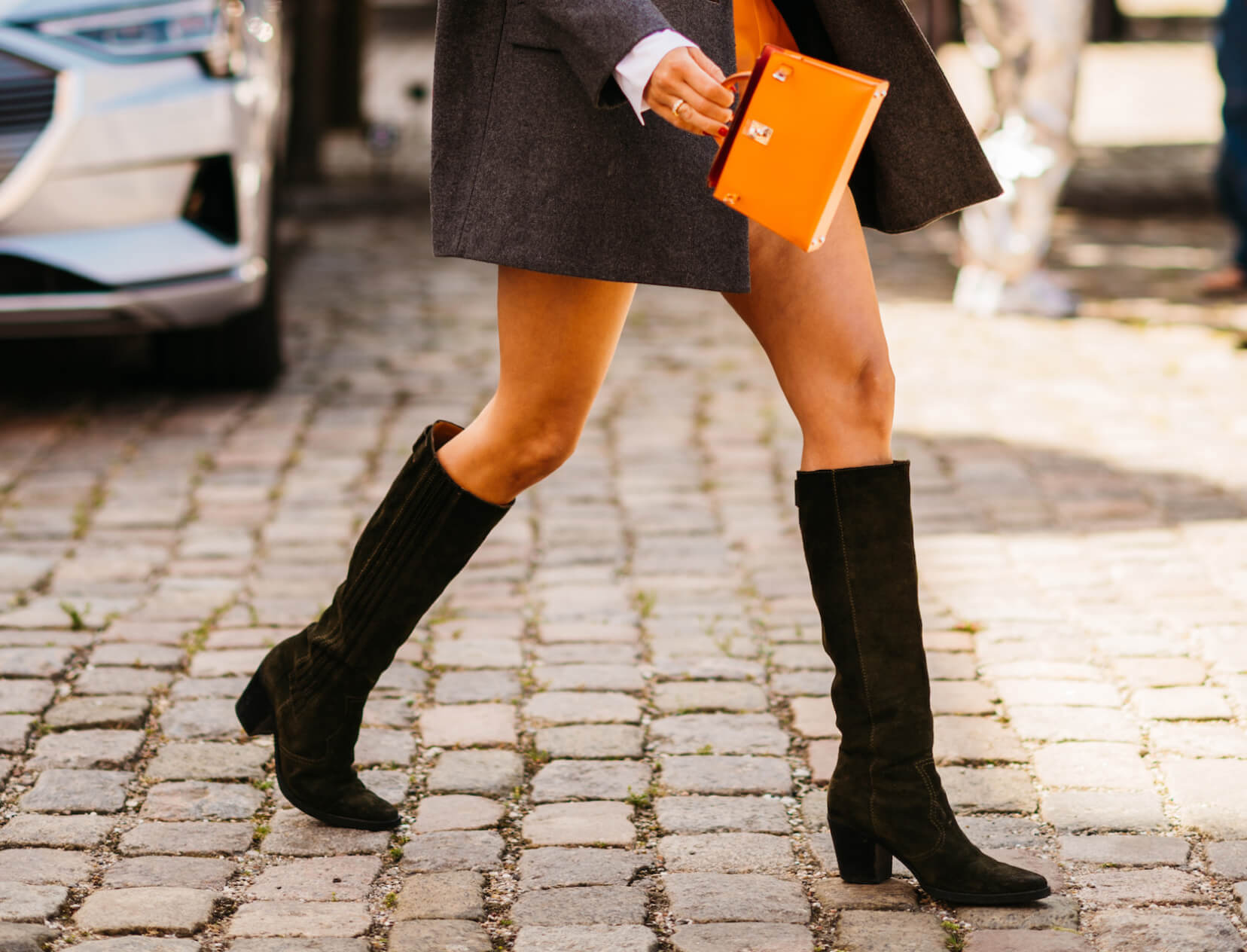
The first crisp morning hits and, boom, it’s boot season. Cooler air, pumpkin-spice-whatever, long walks that don’t require sunscreen slather—bring it on. If you want one closet update that pulls every outfit into autumn, it’s a great pair of boots. Below you’ll find 10 reliable fall boot styles we recommend (including waterproof picks, work-ready steel-toe, and cozy winter options). We also added a quick buyer’s guide—materials, traction, fit, comfort—so you can skip the guesswork and keep your feet happy all season.
Note: Many of these styles are widely available at national retailers (including DSW) and brand sites. Prices often start near $60 and change with sales. Because quality and comfort matter more than hype, we’re citing neutral, trustworthy sources on footwear health, traction, waterproofing and work-safety standards throughout.
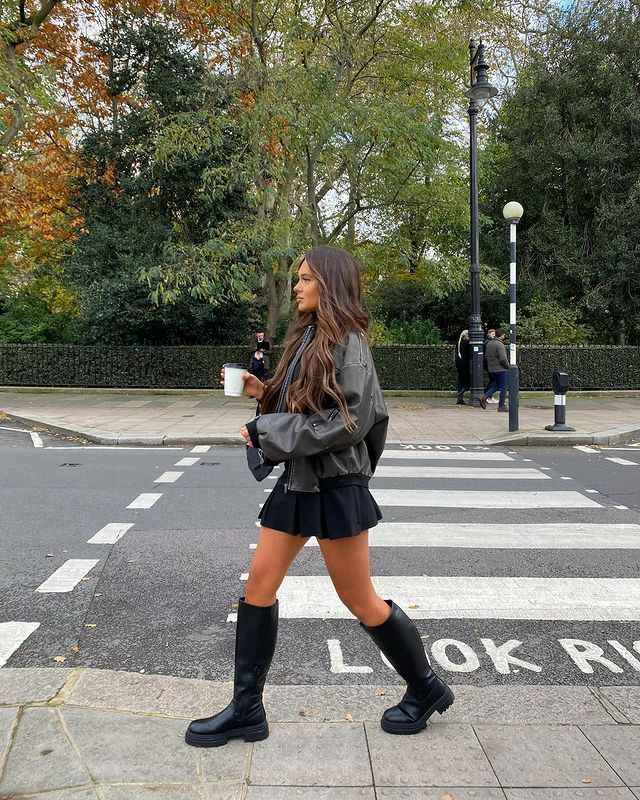
How to choose boots that actually fit and last
- Materials 101: Full-grain leather usually ages best and resists abrasion; suede feels softer but needs more care. Synthetic uppers are lighter and often cheaper. Learn the trade-offs from REI’s boot guide: rei.com/learn/expert-advice/hiking-boots.
- Waterproof vs. water-resistant: True waterproofing involves sealed seams and a membrane or rubber shell; “water-resistant” just buys you time in light rain. REI explains the difference here: rei.com/learn/expert-advice/rainwear-how-it-works.
- Traction matters: Look for lugged rubber outsoles and defined heel brakes for wet leaves and slick sidewalks.
- Comfort and foot health: Stable heels (2 inches or less) and adequate arch support are kinder to your feet than ultra-high stilettos for daily wear. APMA’s guidance: apma.org/patients/healthy-feet/footwear and Harvard Health on high heels and foot pain: health.harvard.edu/staying-healthy/foot-pain-and-high-heels.
- Insulation for winter: Insulation is measured in grams (e.g., 200g) and affects warmth and weight; match it to your climate and activity. REI overview: rei.com/learn/expert-advice/insulated-boots.
- Work and safety: For true impact and compression protection, look for ASTM/OSHA-compliant steel or composite toes (ASTM F2413). OSHA overview: osha.gov/foot-protection; ASTM standard: astm.org/f2413-18.html.
- Fit tips: Try boots at day’s end (slight swelling makes fit more realistic), wear the socks you plan to use, and ensure a thumb’s width in the toe box. American Hiking Society’s footwear fit basics apply beyond the trail: americanhiking.org/resources/footwear.
Real-world note: break-in takes 5 to 10 wears for most leather boots. Don’t rush it—your feet will thank you later (promise). And if you waterproof suede, use a spray that’s safe to breathe and apply outdoors; Consumer Reports has safety tips: consumerreports.org.
Our 10 favorite fall boot styles (with who they’re for, why they work, and what to check)
1) Waterproof Suede Chelsea Boots
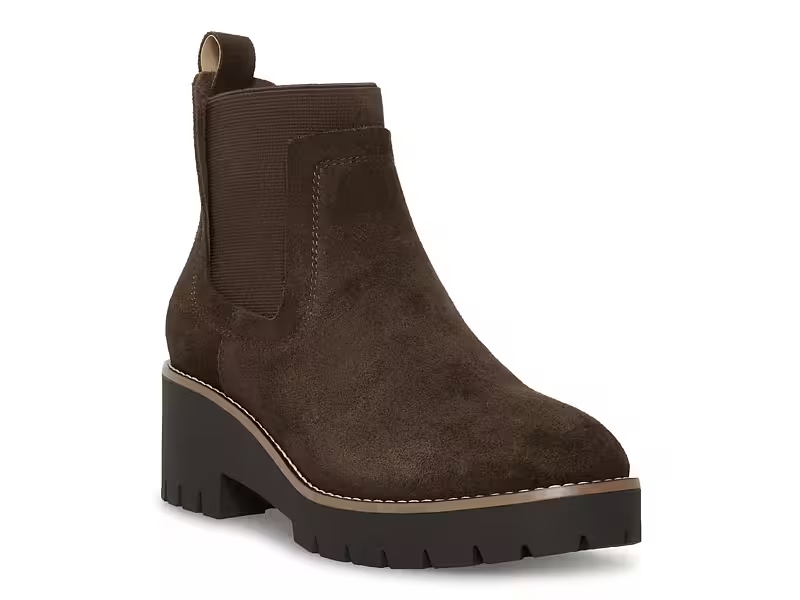
Think classic Chelsea silhouette with a fall-ready twist: treated suede, gusseted elastic goring, and a chunky rubber sole for grip. Easy on/off, looks polished with denim or midi skirts, and many pairs come in weatherproof finishes that won’t wilt in drizzle.
- Good for: Commuters, city walkers, anyone who likes sleek lines but needs real traction.
- What to check: Sealed seams, raised rubber welt, pull tabs, and a heel height under ~2 inches for all-day comfort (APMA).
- Where to look: Broad color runs at national retailers; four to five neutral hues is common.
2) Leather Ankle Booties (Stacked Heel, Chocolate Brown)
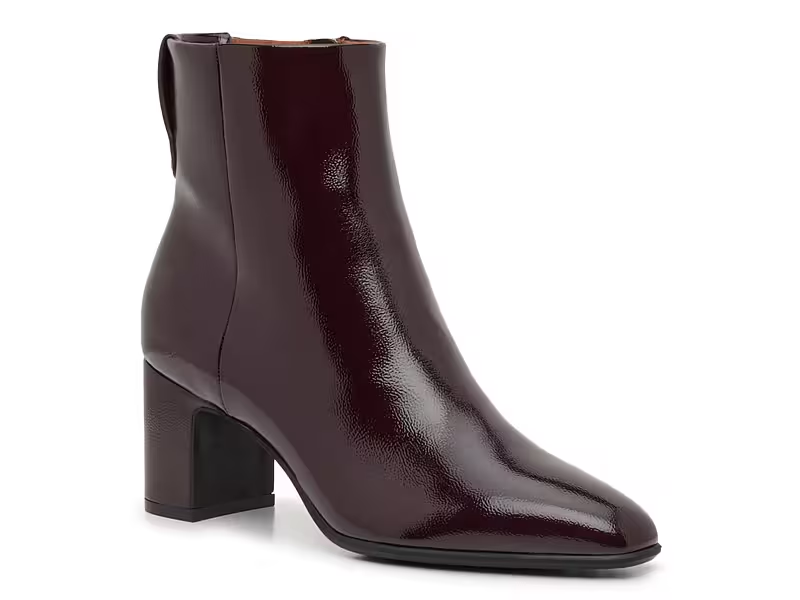
A rich brown leather reads instantly autumnal and pairs with literally anything—wide-leg trousers, vintage denim, sweater dresses. A stable, stacked heel around 1.5–2.5 inches gives lift without strain.
- Why it works: Leather molds to your foot over time and, with basic care, lasts seasons. Quick leather care primer: rei.com/learn/expert-advice/leather-boot-care.html.
- Pro tip: If you’re between sizes, consider the larger size for thicker socks; add a thin insole if needed for a dialed fit.
3) Rubber Rain Boots with Traction (e.g., Chooka)
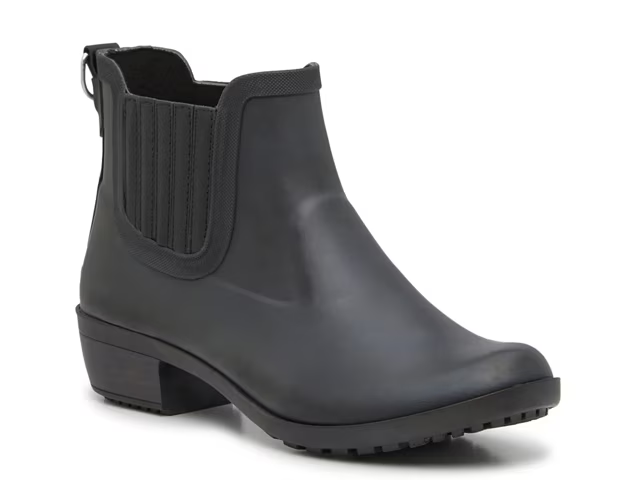
When it’s really coming down, nothing beats rubber. A traction outsole and a comfortably wide toe box make these practical for puddles, farmers’ markets, and school drop-offs.
- Why it works: Rubber is naturally waterproof; the key is a tread that grips wet surfaces (NIOSH).
- Comfort check: Add a supportive insole if the factory footbed is flat (your arches will feel the difference—trust me).
- Brand peek: Chooka and other rain-focused brands pair cute designs with functional soles: chooka.com.
4) Slouchy Pull-On Boots (Faux Suede, Boho Look)
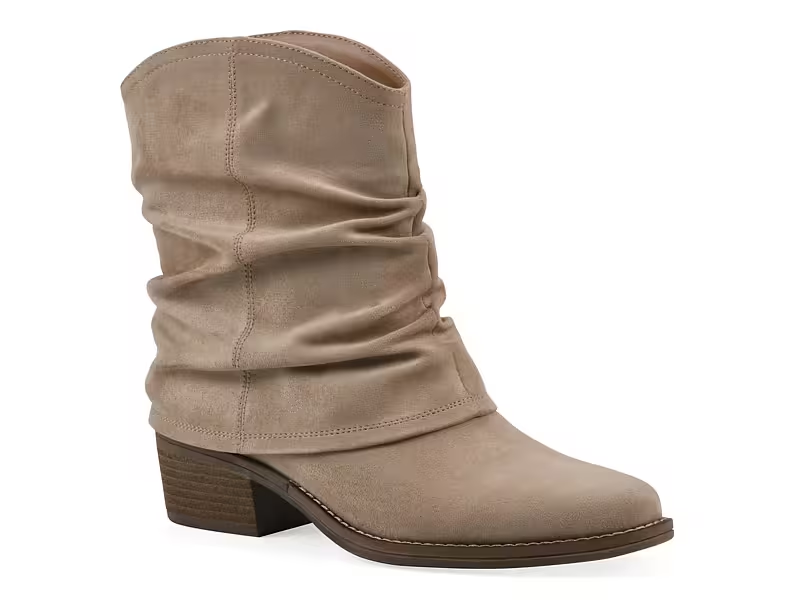
Low heel, soft shaft, pull-on ease—the “comfort era” in a nutshell. These style effortlessly with leggings, sweater dresses, and oversized knits. Faux suede keeps cost low while still delivering that plush texture.
- Check before you buy: Shaft circumference (for tucking jeans) and outsole tread depth (a little lug goes a long way).
- Care tip: Use a protective spray on faux suede and spot-clean only (Consumer Reports spray safety).
- Example brand: Journee Collection often offers extended widths and calf sizes: journeecollection.com.
5) Stiletto Ankle Boots (Embossed Faux “Snakeskin”)
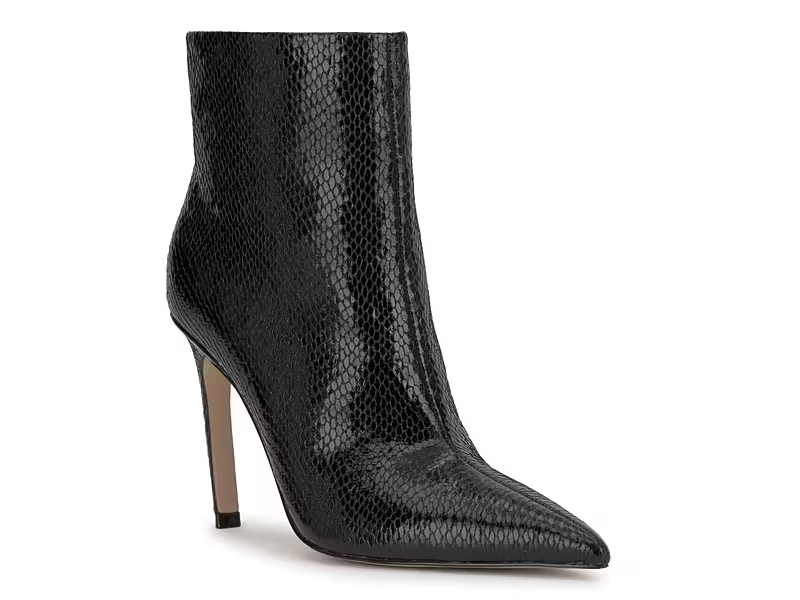
For nights out, a pointed toe and slender heel deliver drama without needing a dressy outfit. Embossed faux leather adds texture that pops in photos—plum, oxblood, and deep green are sleeper hits in fall lighting.
- Comfort caveat: Limit all-day wear and look for a slightly padded insole and a heel under ~4 inches to reduce forefoot pressure (Harvard Health).
- Styling: Balance sleek boots with straight-leg denim or a knee-length skirt for proportion.
6) Trail‑Inspired Hiking Boots (Supportive, Water/Mud‑Resistant)
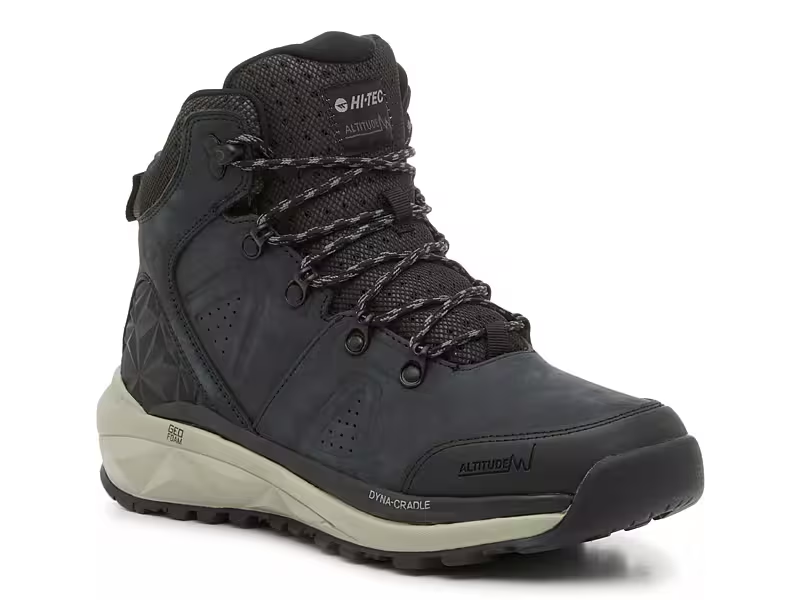
Chunky, yes. Cute, honestly yes. But the real win is support: an anatomical footbed, foam midsole, and mud-resistant uppers for park trails, leaf-peeping weekends, and backyard chores.
- Why it works: Proper midsoles absorb shock and reduce fatigue over mixed terrain (REI boot guide).
- Fit tip: Your toes shouldn’t hit the front on descents; leave ~a thumb’s width. Wide sizes are worth seeking out.
- Brand peek: Ryka builds lasts specific to a woman’s foot shape: ryka.com.
7) Steel‑Toe Work Boots (ASTM/OSHA‑Compliant, e.g., Carhartt)
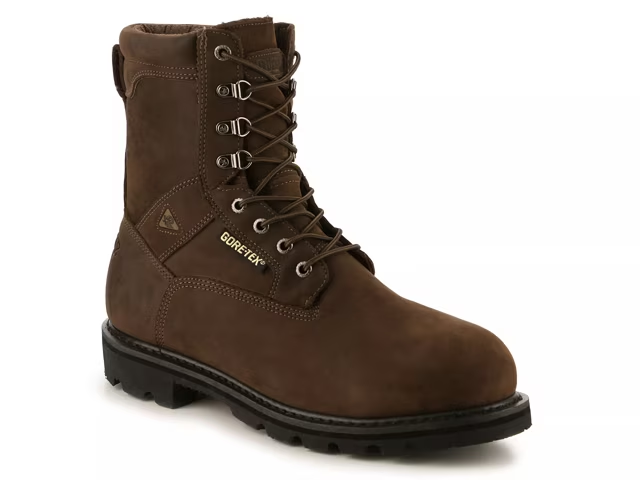
If your fall looks include shop days, job sites, or heavy DIY, get real protection. Look for ASTM F2413 certification, oil/slip-resistant outsoles, and moisture-wicking linings. Carhartt’s FastDry technology is designed to move sweat and dry quickly.
- Standards to verify: OSHA foot protection and ASTM F2413.
- Brand tech: Carhartt FastDry overview: carhartt.com/c/technology.
- Comfort: Consider composite toe for lighter weight if you don’t need steel specifically (still check certification).
8) Woven Leather Boots (Retro, Breathable)
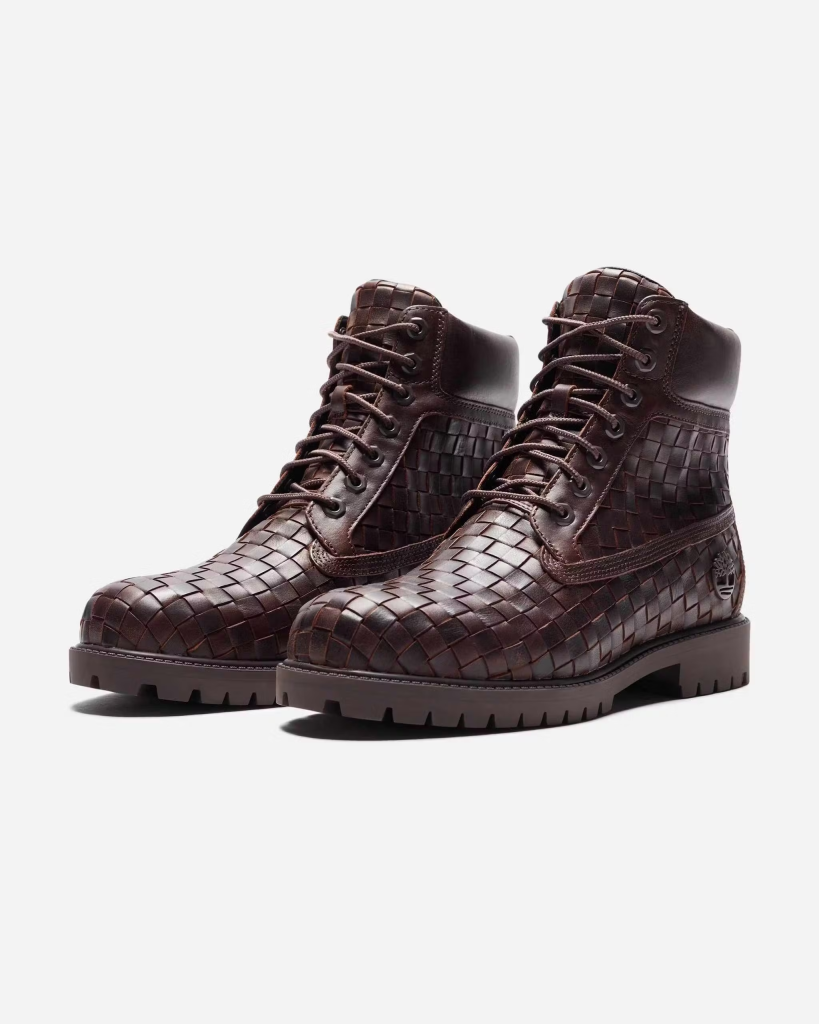
Yes, woven boots are back—and they’re surprisingly wearable. Look for closed-toe designs with a lined forefoot so you get coverage where it counts and airy ventilation everywhere else. They pair as easily with straight jeans as with a ’60s-style mini.
- What to check: Interior lining at the toe, flexible but non-slippery sole, and a snug (not tight) midfoot.
- Care: Treat leather with a conditioner to prevent cracking as temps swing (REI leather care).
9) Insulated, Waterproof Winter Boots (e.g., Sorel)
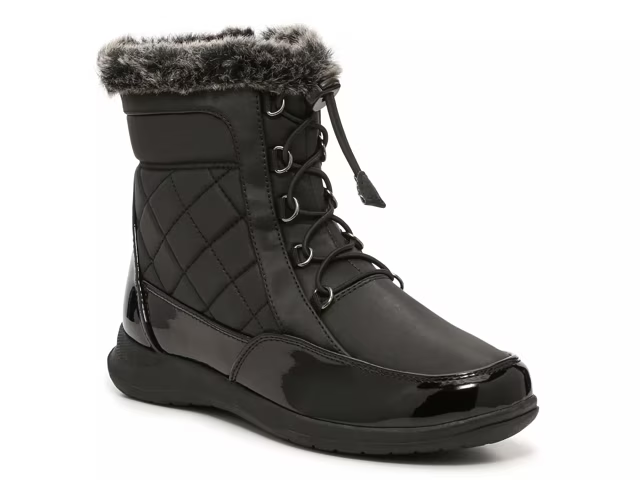
For ski trips and surprise blizzards, look for a waterproof upper, sealed seams, real insulation (often ~200g for active use), and a sawtooth or lugged outsole for traction on snow.
- Why it works: Insulation plus waterproofing keeps feet warm and dry; you can fine-tune warmth by sock choice (REI insulation guide).
- Trusted maker: Sorel has decades in cold-weather boots: sorel.com. Independent winter boot testing: Wirecutter winter boots.
10) Knee‑High Lug‑Sole Boots (Metal Trim Detail)
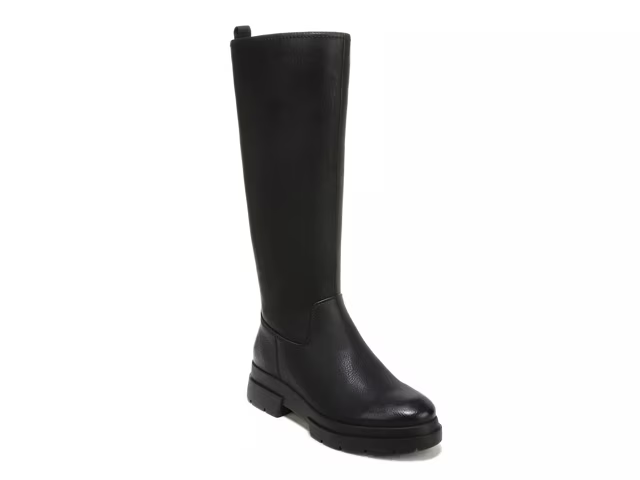
They look runway but wear like a daily driver. The thick lug sole adds stability and height, while a subtle metal trim between shaft and sole gives a designer-ish finish without the price shock.
- Fit checks: Calf circumference (standard vs. wide), zipper ease, and ankle articulation so walking doesn’t feel stiff.
- Function: Durable synthetic uppers can handle daily wear and light weather; for heavy rain, switch to real waterproof boots.
Quick sizing, comfort, and care tips
- Sizing: Try boots with the socks you’ll actually wear; feet swell slightly by afternoon—shop then. A half size up can be smart for thicker wool socks in winter (APMA footwear basics: apma.org).
- Insoles: Swapping in a supportive insole can transform comfort, esp. in fashion boots with flat footbeds. If you have persistent foot pain, consult a podiatrist.
- Break‑in: Wear new leather boots at home for 30–60 minutes a day; add moleskin on hot spots early to prevent blisters.
- Weatherproofing: Re‑apply protective sprays or waxes per manufacturer guidance before heavy rain/snow (REI leather care and waterproofing basics).
- Traction add‑ons: For icy days, clip-on traction devices can reduce slips—but remove indoors to protect floors (NIOSH).
Where to shop and what to spend
Most of the styles above regularly drop into the $60–$150 range during seasonal promos at large retailers and brand outlets. If you’re choosing between two similar pairs, prioritize materials, outsole traction, and fit over looks (I know, I know). Those three factors determine how often you’ll actually reach for them—aka the true cost per wear.
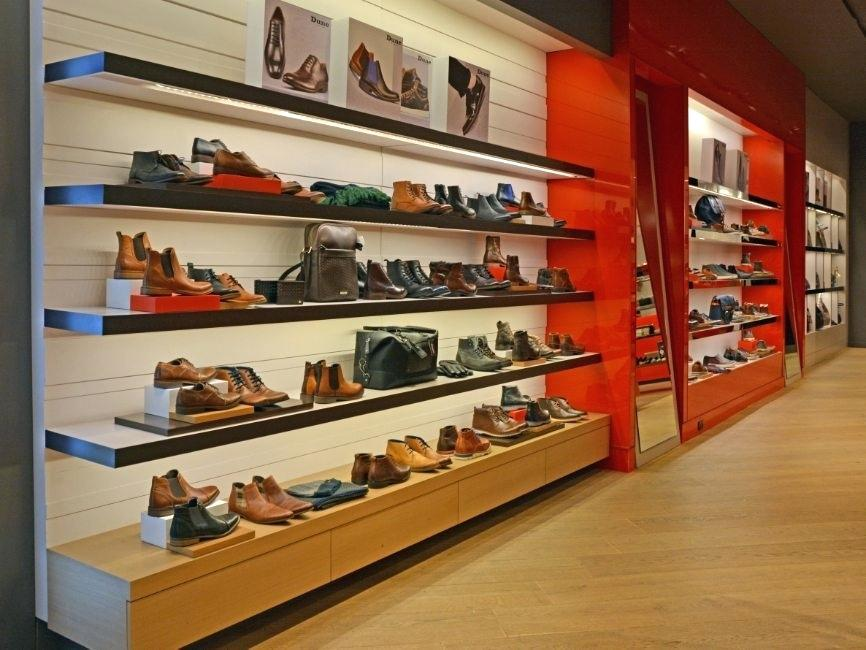
A few reputable places to browse and compare specs quickly: DSW’s women’s boots section (dsw.com), brand sites for tech details (e.g., Sorel, Carhartt, Ryka), and neutral reviews from Wirecutter for winter picks (nytimes.com/wirecutter).
Bottom line
If you want one wear‑everywhere boot, start with a waterproof suede Chelsea or a leather ankle bootie with a walkable stacked heel. Need weather armor? Go rubber rain boots for downpours and insulated waterproofs for snow. Work around heavy tools or in shops? Verify ASTM/OSHA compliance on steel- or composite-toe boots. And don’t sleep on slouchy or woven styles—they’re surprisingly versatile and comfy, definitly worth a try-on.
The right pair will make your fall outfits feel intentional and your miles feel easy. That’s the whole point, tho—style you love, comfort you actually feel.


