


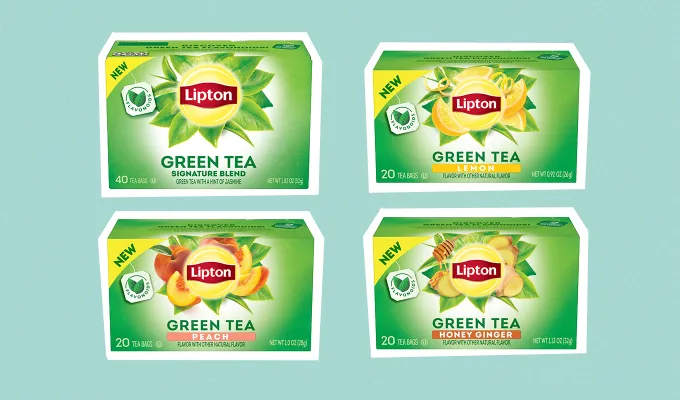
Self-care looks different for everyone—some of us swear by early-morning runs, others need an occasional spa day or a few quiet pages in a journal. As temps climb, here’s a simple ritual that’s practical, budget-friendly and evidence-informed: building a green tea habit. Two cups a day is an easy win for most people, and yes, it tastes good iced or hot. Below, I’ll share what the science actually says (no hype), simple brewing tips, and a few real-life tweaks that make it stick.
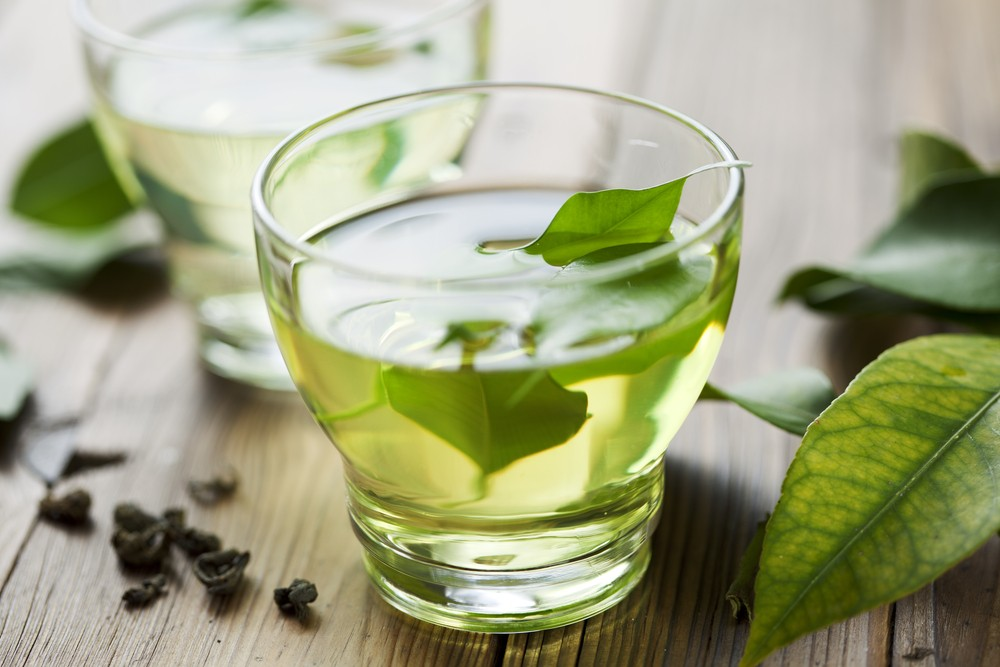
Why green tea? Short answer: flavan-3-ols (aka catechins)
Green tea is rich in flavan-3-ols—catechins like EGCG, EGC, ECG and EC—plant bioactives linked with cardiometabolic benefits. In 2022, the American Heart Association issued a science advisory suggesting an intake of roughly 400 to 600 mg/day of flavan-3-ols from foods and beverages for cardiometabolic health, while noting that more research is needed and supplements are not the point here (AHA, 2022).
How much is in a cup? It varies (a lot) by leaf, water temperature, brew time, and even your mug size. Independent analyses suggest a typical 8–12 fl oz brewed cup may deliver roughly 50–150 mg of catechins, sometimes more with longer steeps and hotter water (USDA FoodData Central; archived USDA flavonoid database; see also NIH overview NIH ODS).
Bottom line: two cups a day is a realistic, sustainable starting point for most adults and can contribute meaningfully to your daily flavan-3-ol intake—without chasing supplements.
What does the evidence say (beyond buzz)?
- Cardiometabolic markers: Moderate daily intake of flavan-3-ols is associated with small but meaningful improvements in blood pressure, LDL cholesterol, and insulin sensitivity in randomized trials and meta-analyses (AHA 2022 advisory; meta-analysis on lipids PMID: 31914043).
- Body weight: Green tea isn’t a weight-loss magic trick (sorry!). Cochrane reviewers found at most modest effects that likely aren’t clinically significant for most people (Cochrane Review).
- Heart health & mortality: Observational cohorts from tea-drinking populations suggest lower CVD risk and all-cause mortality with regular tea intake, though these studies can’t prove causation (BMJ cohort analyses; Japanese cohort data PMID: 16246942).
- Hydration: Tea contributes to your daily fluid needs and is about as hydrating as water when consumed in moderate amounts (NHS guidance; hydration science overview Mayo Clinic).
My take (and yes, I drink it daily): green tea is a low-lift habit with a favorable risk–benefit profile for most healthy adults—especially when it replaces sugar-sweetened beverages.
How to brew for flavor and function
Brewing affects catechin extraction—and taste. Higher temps and longer steeps pull out more catechins but can introduce bitterness. Here’s a practical middle-ground backed by lab studies on infusion time/temperature and catechin yield (Food Chemistry, 2007; PMID: 20826343):
- Hot cup: 8–10 fl oz water at 175–185°F (80–85°C), 2–3 minutes for a smoother cup. If you want a slightly stronger functional extraction, extend to ~4 minutes (expect a little more bitterness).
- Iced pitcher (summertime favorite): 4 tea bags or 8–10 g loose tea. Bloom with 16 fl oz hot water (175–185°F), steep 4 minutes, then add 16–24 fl oz cold water and plenty of ice. Refrigerate and use within 24 hours.
- Pro tip: If bitterness creeps in, drop your water temp by 10°F or shorten the brew by 30–45 seconds.
Choosing a green tea you’ll actually drink
- Classic sencha: clean, grassy, reliable daily driver.
- Jasmine green: floral and forgiving if you oversteep a bit.
- Mint or citrus blends: great iced; can help reduce perceived bitterness without sugar.
- Matcha: whisked powdered tea; more robust flavor and more caffeine per serving. Also tends to deliver more catechins by consuming the whole leaf (PMID: 14518774).
Look for freshness (sealed packaging), origin transparency, and short ingredient lists. If you prefer decaf, note that decaffeination can lower catechins a bit, but you’ll still get some benefits (PMID: 11307961).
Caffeine, timing and a few smart caveats
- Caffeine check: An 8 fl oz cup of green tea usually has ~20–45 mg caffeine. Most healthy adults can safely consume up to 400 mg caffeine/day (FDA).
- Pregnancy: Limit total caffeine to <200 mg/day (ACOG).
- Iron absorption: Tea polyphenols can reduce non-heme iron absorption when consumed with iron-rich plant foods. If you have iron-deficiency anemia, consider drinking tea between meals instead of with them (NIH ODS).
- Med interactions: Green tea can reduce exposure to certain drugs (e.g., nadolol) via transporter interactions—ask your clinician or pharmacist if you’re on prescription meds (PMID: 24158000).
- Supplements ≠ tea: High-dose green tea extracts have been linked to rare liver injury; that risk has not been seen with typical brewed tea (EFSA 2018; NIH ODS).
Personal note: I feel best having green tea in the morning or early afternoon; late-day cups sometimes nudge my sleep. If you’re caffeine-sensitive, you might be the same (our behavorial patterns are different!).
Make it a habit you can keep
- Pair it with a trigger: Brew a cup right after brushing your teeth or when you open your laptop. Weirdly effective.
- Keep it visible: Store a small jar of tea bags or a tin of loose leaves by your kettle.
- Flavor without sugar: Lemon, mint, or a splash of 100% fruit juice. If you like it slightly sweet, try 1/2 tsp honey (about 2–3 grams) and taste first.
- Batch brew for summer: Make a 1–2 quart pitcher at night so it’s cold and ready the next day.
A quick reality check on comparisons
You might see splashy claims like “two cups of green tea equal X cups of kale.” Foods aren’t one-to-one like that. Kale offers fiber, folate, vitamin K and carotenoids; tea provides catechins and hydration with very few calories. They’re complementary, not interchangeable. If you enjoy both, you win. For nutrient specifics, browse USDA FoodData Central and the NIH on flavonoids.
Your 2-cup summer starter plan
- Morning: 1 hot cup (175–185°F, 3 minutes). Sip while reviewing your day.
- Afternoon: 1 iced cup from a pre-made pitcher. Pair with a 5-minute walk outside.
- Track for a week: Notice energy, focus, and any sleep changes. Adjust timing if needed.
That’s it—no expensive gadgets required. Realy, the simplest routines often stick the longest.
Further reading (trusty sources)
- AHA: Flavan-3-ols and cardiometabolic health (Circulation, 2022)
- NIH ODS: Flavonoids fact sheet (Health professional; Green tea—consumer)
- USDA FoodData Central (nutrient data) (USDA)
When it comes to self-care this season, consider this your gentle nudge: summertime is tea time.


