



The French get plenty of credit for style, but their approach to health and fitness is quietly—almost stubbornly—practical. It’s less about “hacks” and more about layering small, sustainable habits all day long. Multiple surveys show health is a priority for French consumers; one industry pulse from Innova Market Insights has found that a large majority of French adults report taking at least some action to live healthier lives. That lines up with official public health messaging in France that emphasizes daily movement, mostly whole foods, and, yes, enjoying your life in the process.
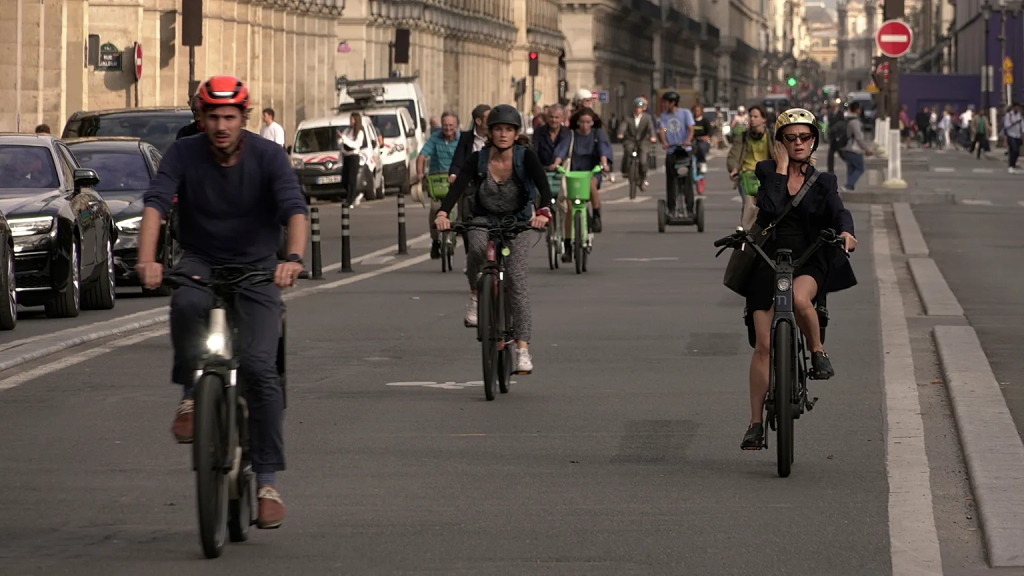
Quick reality check: the World Health Organization recommends at least 150 to 300 minutes of moderate-intensity aerobic activity weekly for adults, plus 2+ days of muscle-strengthening. In Europe, many people report hitting that mark; in the U.S., about half of adults meet the aerobic guideline. France consistently sits near the EU average for weekly activity, and walking and cycling are a big part of how folks get there—because they build movement into commuting and errands, not just the gym. These are self-reported numbers, of course, but the pattern is hard to miss.
Sources: WHO global physical activity recommendations; U.S. CDC Physical Activity Guidelines; European Commission’s Eurobarometer on Sport and Physical Activity; France’s national nutrition and health program (PNNS) guidelines, which literally say “move more, sit less” (in French, but you get it).
How the French Get Their Movement: Simple, Social, Outdoors (Plus a Little Boutique Fitness)
In survey after survey, French adults report mixing formal exercise with active transport. It’s not unusual to see people in Paris, Lyon, or Bordeaux walk 8–10k steps by default just going about their day. A growing share also rides bikes—helped by protected lanes and bike-share expansions like Vélib’. The City of Paris’ “Plan Vélo” has poured resources into cycling, and the payoff is visible on every boulevard at rush hour.
It’s not all al fresco, though. Group fitness has seriously arrived. Yes, Barry’s Bootcamp is in Paris, alongside local concepts and larger chains. You’ll also find cycling studios, boxing, hot yoga, EMS training, and more—very similar to any big U.S. metro. Personally, I didn’t realize Barry’s had a Paris studio until recently—honestly, that’s kinda wild.
Food Culture: Flexitarian Without the Fuss
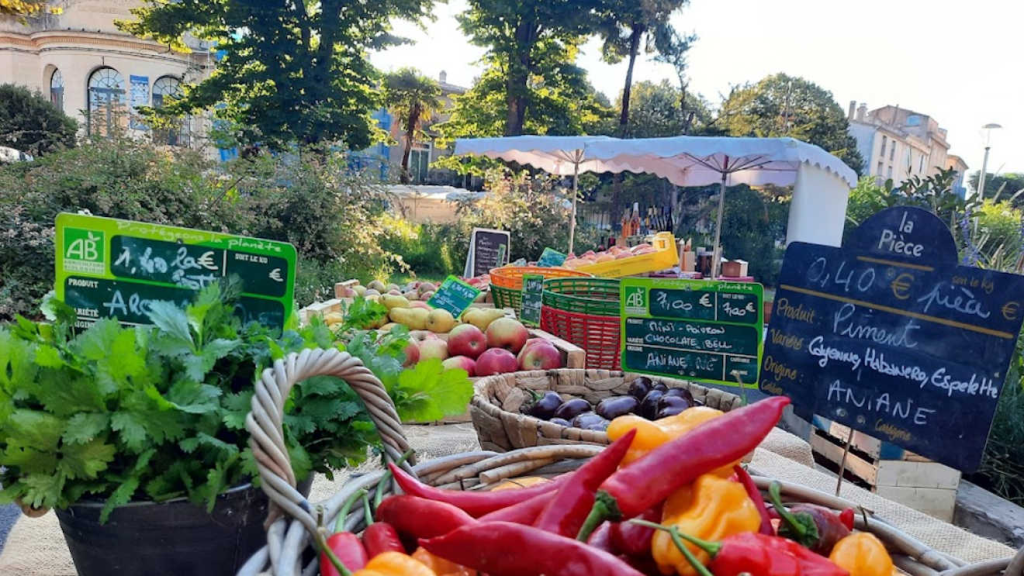
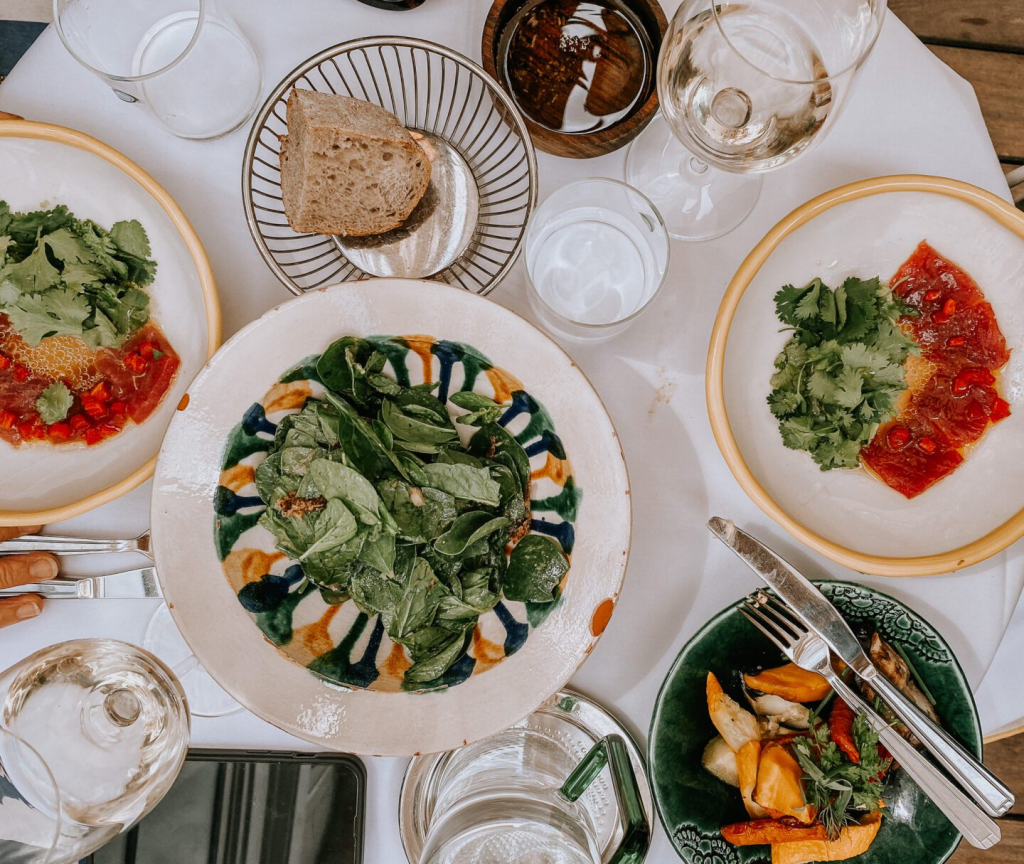
When people picture French cuisine, they think butter, cheese, and baguettes. Those exist (thankfully), but day-to-day meals skew surprisingly plant-forward—seasonal produce, legumes, whole grains, fish, and modest portions of meat. That aligns with public guidance in France to eat more fruits/vegetables and to limit processed meats, which the WHO classifies as a carcinogen when consumed regularly. In 2025, flexitarian is a fair description of the mainstream here.
Surveys back the shift. ProVeg has reported that a notable share of French consumers say they’ve reduced their annual meat intake, with many identifying as flexitarian. It’s less a trend than a long-term recalibration: enjoy that boeuf Bourguignon on Saturday, keep weeknights simple—lentil salad, roasted veggies, maybe trout with lemon and herbs. Balance, not absolutism.
Supplements in France: Some, Not All, and Not as a Substitute
Supplement use in France tends to be moderate and purposeful (vitamin D in winter, omega-3 if diet is low in oily fish, iron when clinically indicated, etc.). Regulators are vocal: ANSES and DGCCRF monitor claims and safety, and they routinely warn against high-dose or unnecessary stacks—especially for kids, pregnant people, and those on medications. In short: food first, labs if needed, and supplements as a precise tool, not a lifestyle. That vibe is, frankly, healthy.
Everyday Habits the French Do Well (That You Can Copy This Week)
- Walk (a lot). Stack movement into errands. If it’s under a mile, consider walking by default.
- Eat meals at the table. Fewer snacks, more structure. It sounds quaint, but it cuts mindless calories.
- Shop seasonally. Build meals around produce first, then add protein and starch.
- Keep portions modest. You can have dessert—just not a mountain of it.
- Make social time active time. A long stroll with a friend beats a doom-scroll alone.
4 Techy Wellness Trends to Know in 2025
1) Wearables Get Serious About Recovery (Not Just Steps)
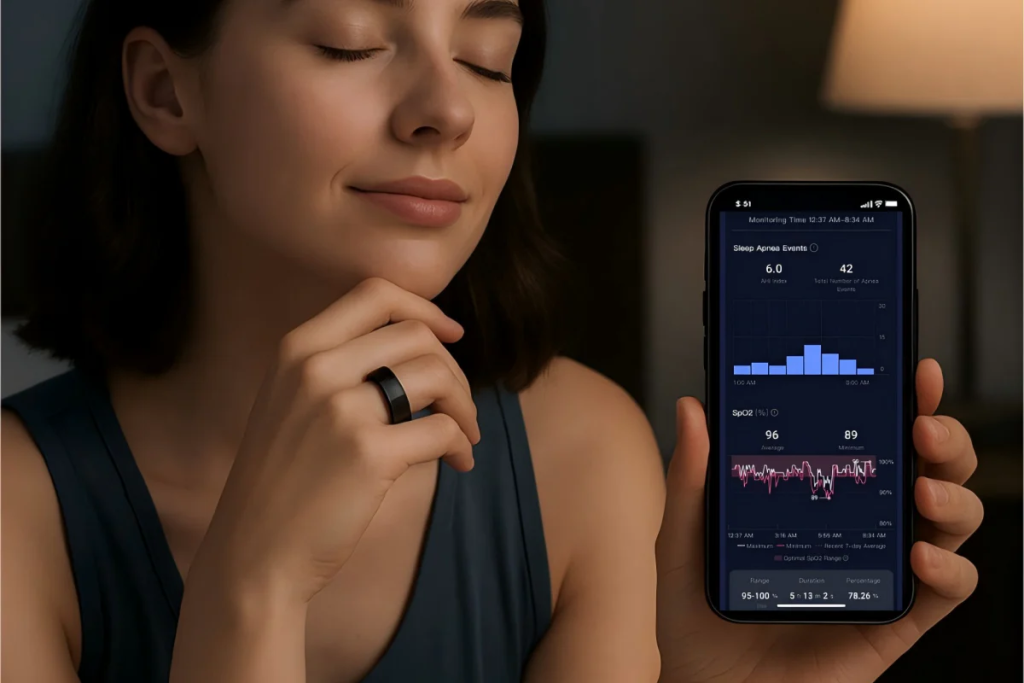
Smart rings and watches now estimate recovery with metrics like heart-rate variability (HRV), resting heart rate, and sleep staging. Used well, these help pace your training and avoid burnout. Used poorly, they can make you anxious—don’t let a gadget override how you actually feel. Validation is improving but still imperfect; treat the data as directional.
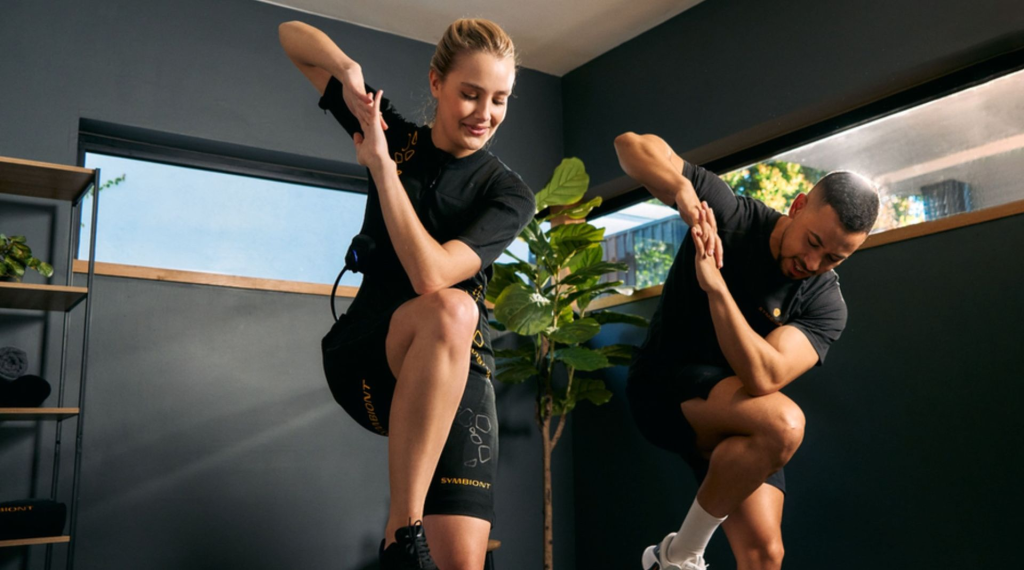
2) EMS and Strength in Less Time
Electro‑muscle stimulation (EMS) studios have popped up across Europe, including France. Sessions are brief (often ~20 minutes) but intense. Research suggests EMS can complement strength training and rehab, though it’s not magic. If you try it, start conservatively and hydrate well. Traditional progressive overload with weights still rules for long-term muscle and bone health.
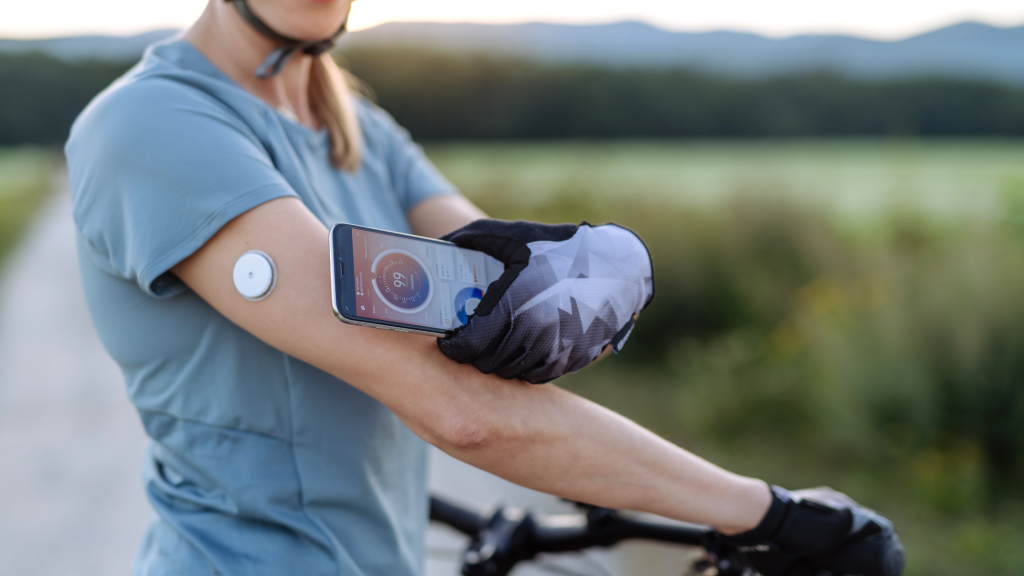
3) Continuous Glucose Monitors for Non‑Diabetics (Proceed Carefully)
Some wellness folks are using CGMs to learn how meals affect their blood sugar. This can help identify big spikes from ultra‑processed foods and encourage fiber‑first eating. But CGMs are medical devices intended for diabetes management; for healthy individuals, evidence for long‑term benefit is limited, and over-monitoring can backfire. If you experiment, do it short‑term and loop in your clinician.
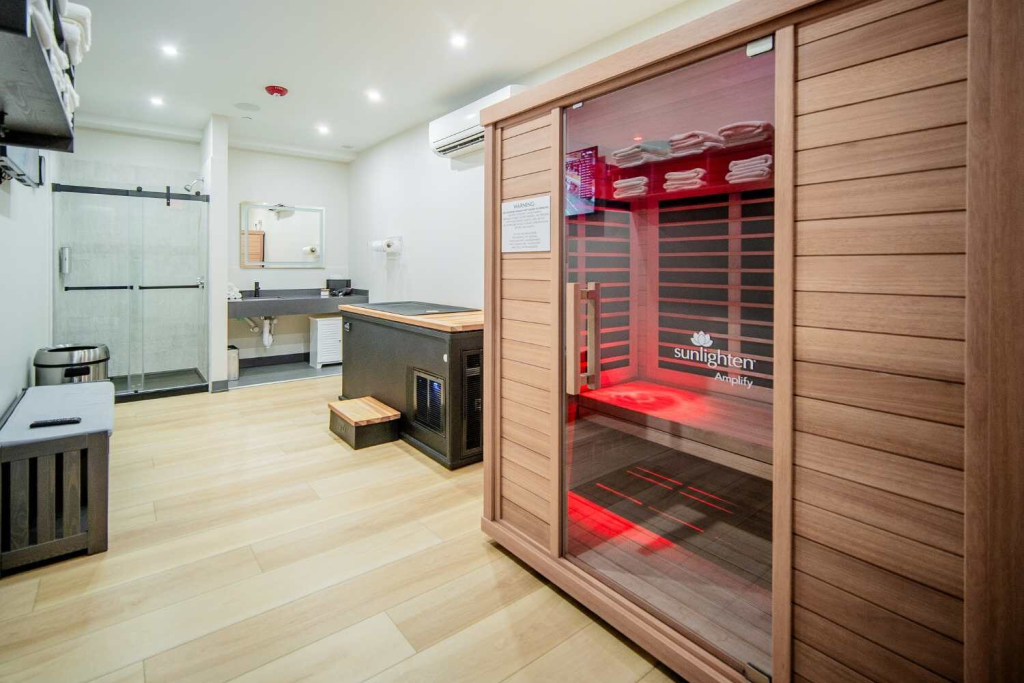
4) Heat and Cold, Sans Extremes
Saunas can support relaxation and cardio‑metabolic health markers; cold exposure may aid perceived recovery. Most benefits come from consistency and comfort—not heroics. Think 10–20 minutes in a sauna (if you tolerate heat) a few times weekly, and brief cool-downs. If you have heart issues, talk to your doctor first. I used to chase extreme temps, but, truth be told, I feel better with moderate protocols.
Putting It Together: A French‑Inspired Week, Anywhere
- Movement: Schedule two 30–45 minute strength sessions, plus daily walking (aim for 7–10k steps organically). Add one short, intense interval session if you like.
- Meals: Build plates around produce, legumes, and fish or lean meats; keep processed meats occasional. Dessert? Sure—small and savored.
- Alcohol: If you drink, keep it light. France’s official guidance is moderation (and some people just skip it).
- Tech: Use your wearable to nudge sleep and recovery; don’t let it boss you around.
- Supplements: Check real needs (labs, clinician input). Avoid mega-doses unless medically indicated.
One last thought: the “secret” isn’t croissants or red wine. It’s rhythms—walk more, eat mostly plants, cook simply, lift something heavy, sleep enough, and enjoy meals with people you like. I didn’t knew it could be this straightforward until I tried it for a month and, weirdly, spent less time “working out” and more time living.


