



Wellness trends pop up every week, and some are genuinely helpful (sleep-focused travel and low-impact “cozy cardio” both make sense for a lot of people). But others create more noise than results, and a few may even be risky. After months of tracking the data, talking to clinicians, and—yes—trying a couple of these myself, here are five trends I’d happily retire right now, plus what to do instead if you care about results and safety.

1) “Cortisol Face” Isn’t a Diagnosis—Here’s What’s Real About Cortisol
Spend five minutes on the wellness side of TikTok and you’ll see cortisol blamed for everything from under-eye puffiness to a rounder face (“cortisol face”). Reality check: Cortisol is an essential hormone with a normal daily rhythm that helps regulate stress response, blood pressure, blood glucose and inflammation. It’s not the enemy; it’s biology. The problem is when people mistake normal fluctuations for disease—or worse, self-diagnose based on a selfie.
What the science says:
- Cortisol follows a circadian pattern: highest in the morning, tapering through the day (StatPearls).
- Chronic excess cortisol (hypercortisolism) is a medical condition—often Cushing syndrome—with hallmark features like “moon face,” central weight gain, thin skin, easy bruising, and muscle weakness. It’s rare and requires medical evaluation and lab testing—not a TikTok tutorial (NIDDK), Endocrine Society.
- Short-term puffiness can be influenced by sleep, salt intake, alcohol, allergies, and menstrual cycle—not just cortisol Cleveland Clinic.
When to seek care: If you have consistent symptoms suggestive of Cushing syndrome—facial rounding, purple stretch marks, new-onset high blood pressure, worsening blood sugar, and unexplained weakness—see an endocrinologist for proper testing Endocrine Society. Don’t rely on “face shape” alone.
What to do instead: Prioritize sleep regularity, stress management (walks, breathwork, social connection), and basic nutrition. These are boring, but they work—and they’re definitelly safer than cortisol fear-mongering.
Sources: StatPearls: Physiology, Cortisol; NIDDK: Cushing’s Syndrome; Cleveland Clinic: Cortisol.
2) “Ozempic Dupes” (Oatzempic, Rice-Zempic) Are Not Evidence-Based Weight-Loss Tools
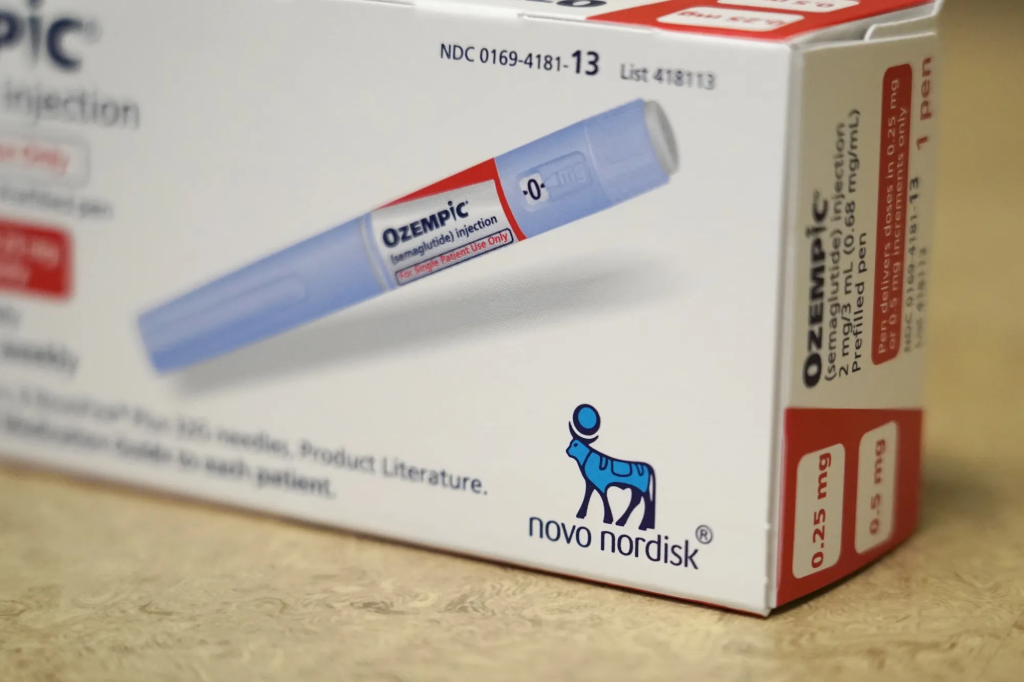
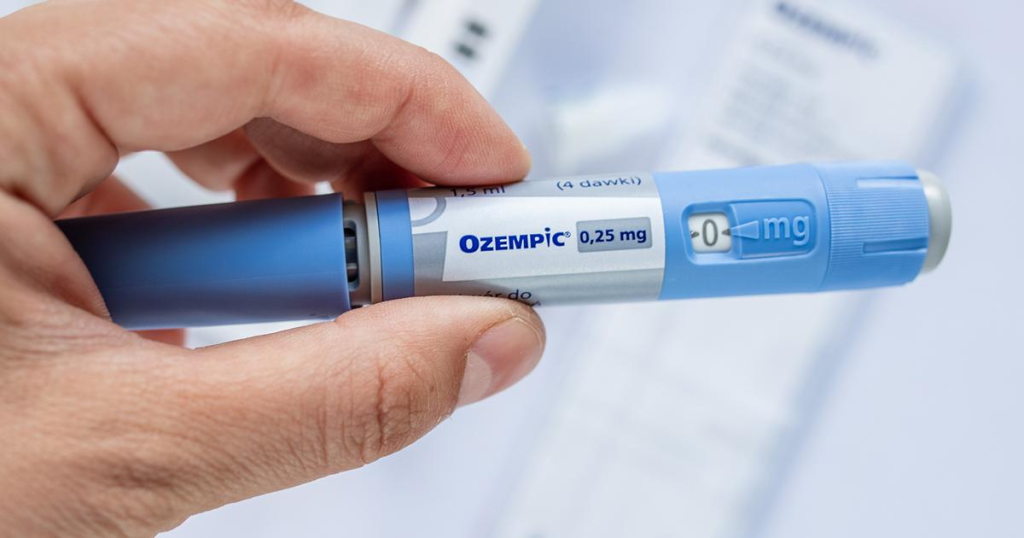
GLP-1 receptor agonists like semaglutide are FDA-approved for diabetes (Ozempic) and chronic weight management (Wegovy). They work on incretin pathways—slowing gastric emptying, reducing appetite, and improving insulin secretion. Homemade “dupes” (oats + water + chia + vinegar, etc.) are trending as cheap replacements. Let’s be blunt: blending oats and vinegar does not replicate a prescription medication’s pharmacology, dosing, or outcomes.
What the evidence says:
- Semaglutide has robust randomized clinical trial evidence for weight loss and cardiometabolic benefits when used appropriately under medical supervision NEJM STEP 1 trial, FDA: Wegovy approval.
- Oats and fiber can enhance satiety and improve lipid/glucose markers, but effects are modest and not equivalent to GLP‑1 drugs Systematic review on beta-glucan.
- Vinegar may slightly blunt post-meal glucose in some contexts, but consistent, clinically meaningful weight loss from vinegar alone isn’t supported by high-quality trials Journal of Advanced Nursing review, Annals of Nutrition & Metabolism.
Risks of DIY “dupes”: Over-restriction, poor satiety (ironically), GI distress, and distraction from proven strategies (calorie awareness, protein adequacy, resistance training, sleep, and medical care where indicated). If you’re considering GLP‑1 therapy, talk to a clinician about eligibility, risks (GI side effects, gallbladder issues), and monitoring FDA: Ozempic label, ADA Standards of Care 2024.
Practical alternative: If you love an “Oatzempic”-style shake, use it as a balanced breakfast—not a drug replacement. Aim for 25–30g protein, fiber (oats/chia), and add fruit or nut butter. Pair with resistance training 2–3x/week and hit 7–9k steps/day. Boring, again. Effective, again.
Sources: NEJM STEP 1; FDA Wegovy; ADA Standards of Care; Beta-glucan review; Vinegar & glycemia.
3) “Thera-Posing”: Misusing Therapy-Speak Isn’t the Same as Mental Health Care
I covered this as a dating trend, but it’s everywhere: people diagnosing exes with “narcissism,” calling every disagreement “gaslighting,” and tossing around “trauma-bonding” after watching two Reels. The intent is to understand ourselves—but this jargon creep waters down clinical concepts and can stop people from seeking real care.

Why it matters:
- Self-diagnosis can delay effective treatment and increase stigma NIMH: Finding Help.
- Complex terms (e.g., “gaslighting”) have specific meanings in clinical and abuse contexts—using them casually confuses safety issues with everyday conflict APA Dictionary.
- Licensed clinicians are trained to assess patterns over time, not single behaviors in a 30-second clip APA: About psychologists.
What to do instead: If you’re struggling with mood, anxiety, relationships, or sleep, connect with a licensed pro. Try the APA Psychologist Locator, SAMHSA FindTreatment.gov, or your insurer’s directory. Keep learning terms—just remember the internet isn’t a clinic.
4) 75 Hard: Discipline or Unsustainable All‑or‑Nothing?
The 75 Hard challenge promises “mental toughness” via strict daily rules for 75 days: two 45-minute workouts (one outdoors), follow a diet, no alcohol or “cheats,” drink a gallon of water, read 10 pages, and take a daily progress photo. If you miss one, you start over. Some people thrive on structure. Many, like me, end up anxious, over-trained, or discouraged when life happens.
What guidelines say:
- Adults need at least 150–300 minutes/week of moderate-intensity aerobic activity plus 2+ days of muscle-strengthening—rest and recovery are part of the prescription HHS Physical Activity Guidelines, CDC.
- Excessive training without recovery increases injury risk and burnout BJSM: Overtraining.
- Rigid dieting and “cheat” framing can fuel disordered eating patterns NEDA.
- Hydrating is good, but a one-gallon target may be unnecessary and, if paired with electrolyte neglect during long exercise, can cause issues like hyponatremia in rare cases CDC/NIOSH Hydration.
What to do instead: Try a 6–8 week “moderate challenge” with one workout/day (alternating strength and cardio), 1–2 rest days/week, 90–100 ounces of fluids tailored to your body and climate, and flexible nutrition habits (protein at each meal, fiber target, colorful produce). Perfectionism kills momentum; consistency builds it. And yeah, I’ve reset a few “perfect streaks” myself—didn’t help.
5) Mouth Taping for Better Sleep: Hype Outruns the Evidence
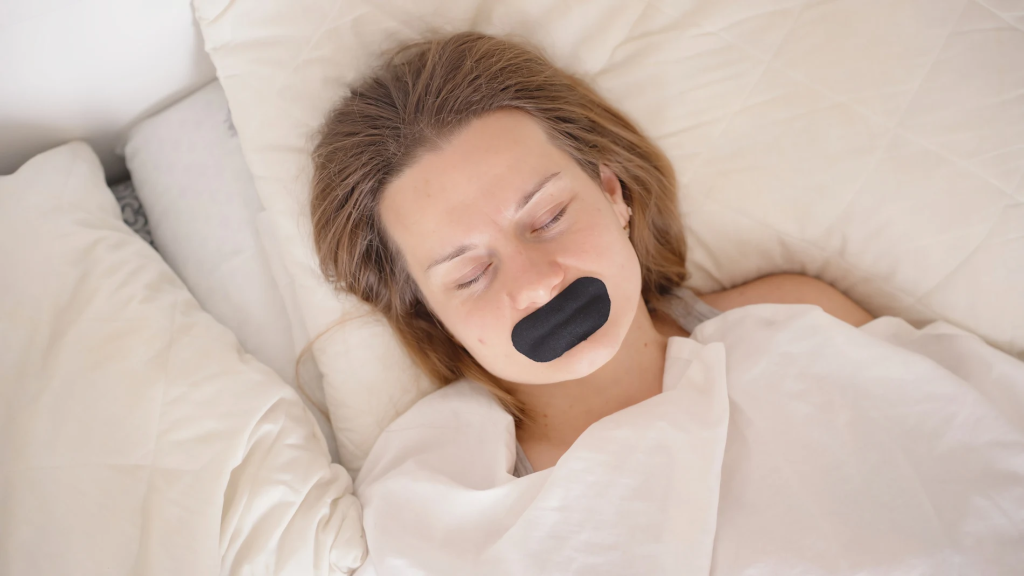
I tested mouth taping. Short verdict: sticky, uncomfortable, and underwhelming. The bigger issue is safety. Claims include reduced snoring, fresher breath, and more energy. The evidence base is tiny, mixed, and not enough to recommend this for the general public, especially for anyone with undiagnosed sleep apnea or nasal obstruction.
What experts say:
- The American Academy of Sleep Medicine cautions against mouth taping as a TikTok trend; it’s not standard care for snoring or sleep apnea AASM.
- Small pilot studies suggest taping might reduce snoring in select mouth-breathing, mild OSA cases, but sample sizes are tiny and not generalizable Sleep & Breathing, 2022.
- Potential risks: impaired breathing, skin irritation, aspiration risk if vomiting, and masking a treatable disorder like obstructive sleep apnea Cleveland Clinic.
What to do instead: If you snore or wake unrefreshed, screen for OSA with your clinician. Evidence-based options include weight management where appropriate, side-sleeping, nasal therapies for congestion, oral appliances, and CPAP for moderate–severe apnea NHLBI: Sleep Apnea, AASM Guidelines. If you still want to experiment, do it only after medical clearance. Promise me that at least.
Bonus: About “Ozempic Face” and Whether Fat Grafting Helps
Rapid weight loss—regardless of the method—can unmask or accelerate facial volume loss, leading to a more gaunt look some are calling “Ozempic face.” It’s not a formal diagnosis, just an aesthetic descriptor. Options include hyaluronic acid fillers, biostimulators, and autologous fat transfer (fat grafting). Each has pros/cons.
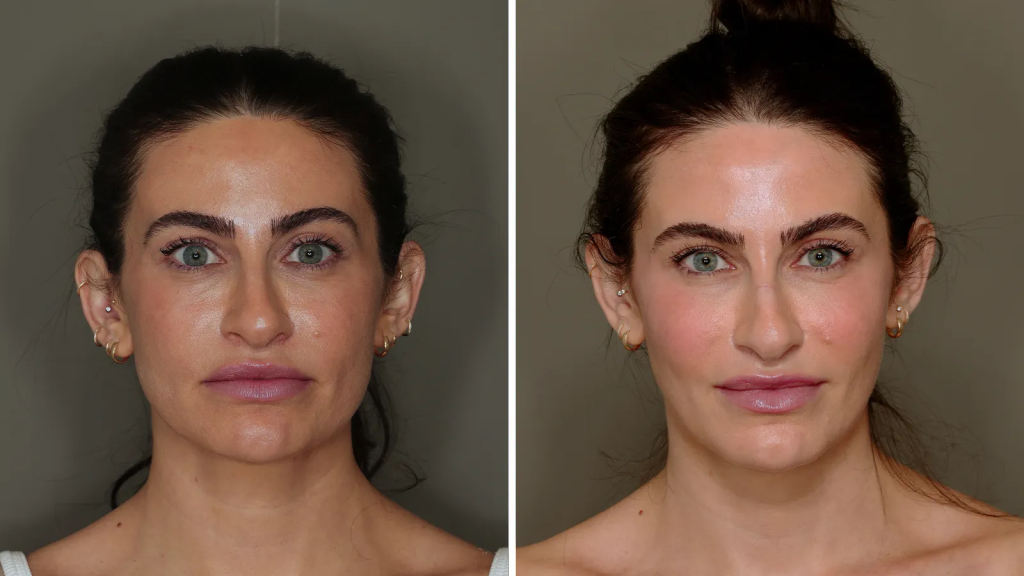
- Dermal fillers: Immediate, adjustable, temporary (months to ~2 years depending on product). FDA-approved for specific areas; choose a qualified injector and understand rare risks like vascular occlusion FDA: Dermal Fillers, AAD.
- Autologous fat grafting: Uses your own fat; can provide longer-lasting volume but requires surgery, downtime, and has variable fat “take” rates ASPS, StatPearls: Fat Grafting.
- Skin quality: Consider sun protection, retinoids, and protein intake to support skin and soft tissue health AAD: Sunscreen, NIAMS.
Bottom line: If facial changes bother you, consult a board-certified dermatologist or plastic surgeon. Vet credentials, ask about complications and reversibility, and avoid bargain procedures—your face is not the place to cut corners.
The Takeaway
Trends can inspire, but biology doesn’t care about buzz. Before trying something new, ask: Does this align with established guidelines? Are there randomized trials or just anecdotes? Is there a safer, simpler way to get the same benefit?
- For “cortisol face”: Focus on sleep, stress skills, and overall health; see a clinician if you suspect true endocrine issues.
- For weight loss: Skip “dupes.” Use evidence-based nutrition, movement, and, when appropriate, clinician-guided meds.
- For mental health: Learn online, heal offline—with licensed professionals.
- For 75 Hard: Keep the discipline, ditch the rigidity. Sustainable > extreme.
- For sleep: Get evaluated before you tape anything to your face, tho.
Further reading and sources:


