


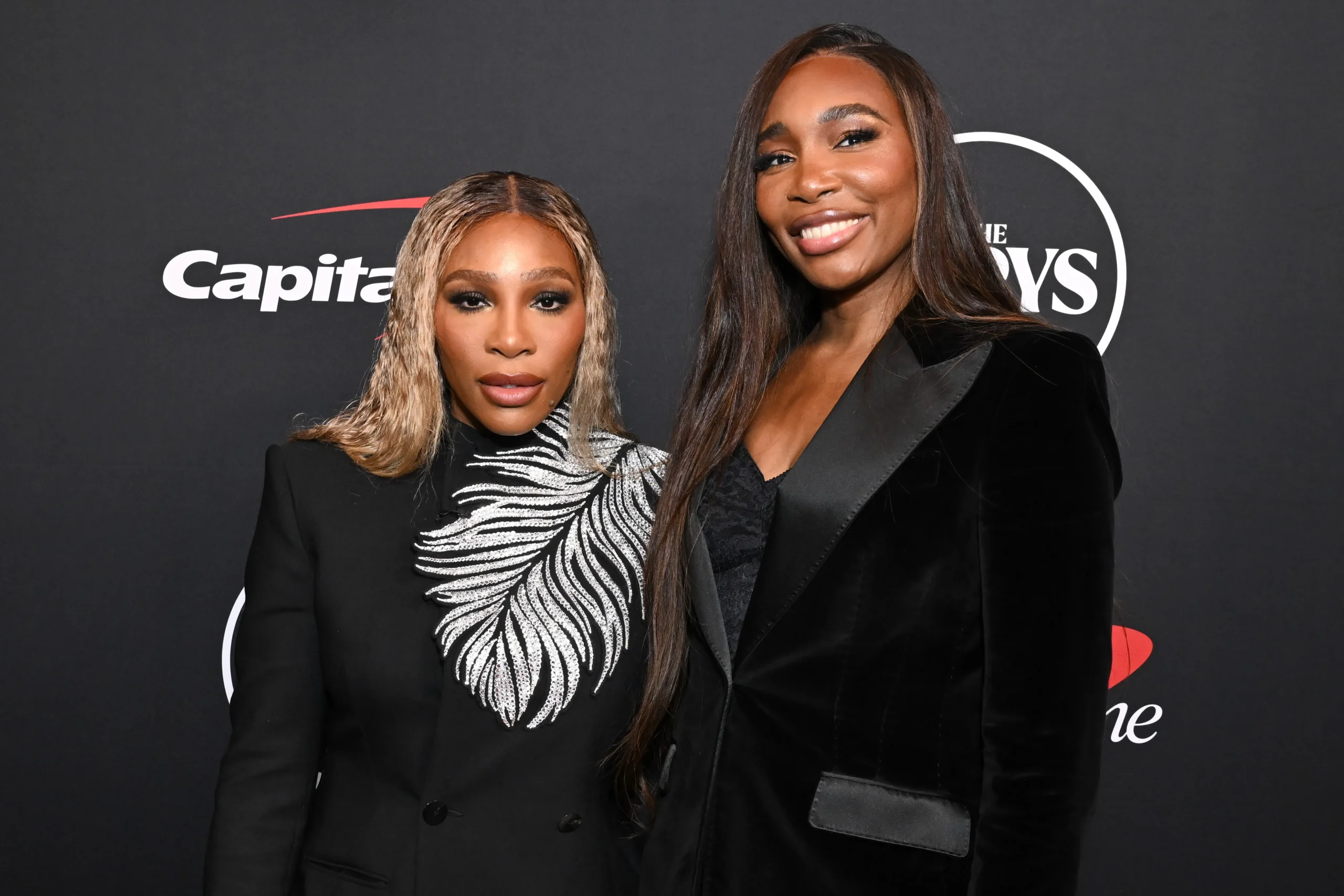
Venus Williams has been a force for nearly three decades—seven Grand Slam singles titles, four Olympic gold medals, a former world No. 1 ranking, and a second act as an entrepreneur and investor. Yet her wellness philosophy remains disarmingly simple: listen to your body and give it what it needs. It’s weirdly simple, but it works.

Below, a professional deep‑dive into what that philosophy means, how it aligns with current research, and how you can adapt it—whether you play competitive tennis, run 5Ks on weekends, or just want more energy for life and work.
Quick facts (so we’re on the same page)
- Career highlights: 7 Grand Slam singles titles, 14 women’s doubles majors with Serena Williams, 4 Olympic gold medals plus a 2016 mixed doubles silver medal (Olympics.com; WTA).
- Turned pro in 1994; widely credited with transforming power tennis in the women’s game (WTA profile).
- Diagnosed in 2011 with Sjögren’s syndrome, an autoimmune condition that can cause fatigue and joint pain—she adjusted training, nutrition, and recovery accordingly (NIAMS/NIH; Mayo Clinic).
- Entrepreneur: founder of interior design firm V Starr (vstarr.com), activewear brand EleVen by Venus (elevenbyvenuswilliams.com), and plant‑based nutrition brand Happy Viking (drinkhappyviking.com; funding news via PR Newswire).
The core principle: “Listen to your body” (and why it’s evidence‑based)
At elite levels, pushing is easy; stopping is hard. The best performers calibrate training and recovery based on feedback from their bodies. Research backs this up: overreaching without recovery degrades performance and increases injury risk (National Library of Medicine). Meanwhile, adequate sleep, fueling, and progressive loading improve adaptation and resilience (US Physical Activity Guidelines; CDC on sleep).
Practically, “listening” boils down to tracking a few signals—sleep quality, mood, soreness, appetite, motivation, and perceived exertion—and adjusting the day’s plan. The CDC’s perceived exertion guide is a great starting point if you don’t yet quantify training (CDC: RPE).
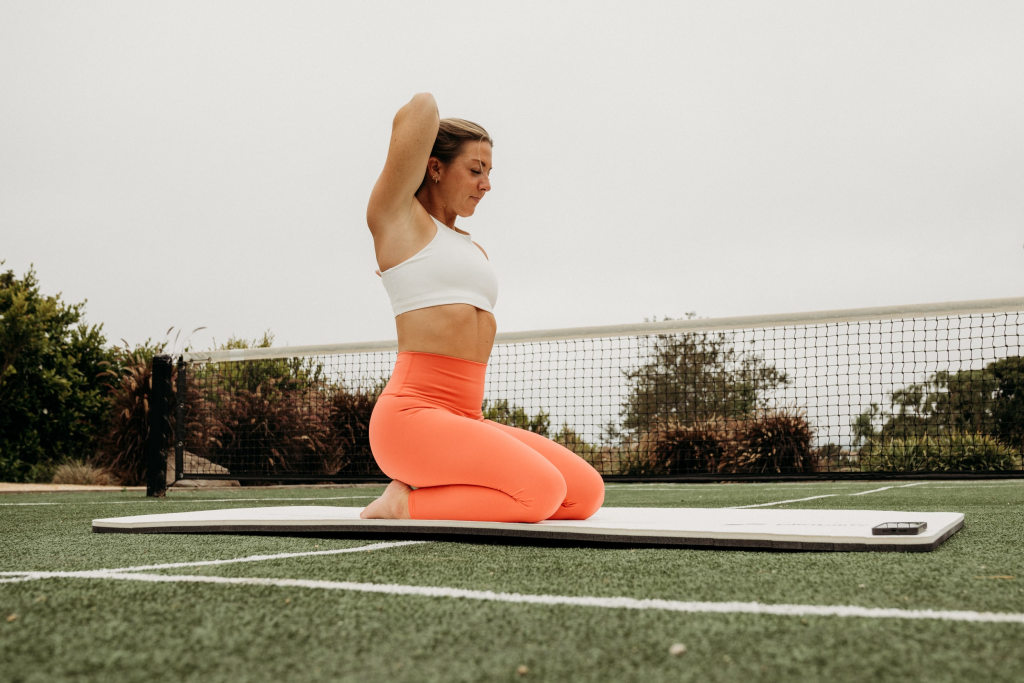
How Venus‑style structure translates to a busy life
With training, travel, and business commitments, structure is what keeps chaos from taking over. Think of this as a template you can scale up or down:
- Anchor habits: same wake time, movement window, and first meal timing most days. Consistency improves adherence and recovery (CDC Sleep).
- Training blocks: alternate high‑intensity/skill days with lower‑intensity mobility or conditioning to respect recovery (HHS Guidelines).
- Feedback loop: use a quick 1–10 readiness check each morning (sleep, soreness, mood). If your score tanks, swap a hard session for a technical or mobility session. It’s not “skipping”—it’s smart periodization.
- Protect the deload: plan 1 lighter week every 4–6 weeks to consolidate gains (NLM: Overtraining overview).
Nutrition: simple, plant‑forward, and performance‑minded
Williams has long leaned plant‑forward (see Happy Viking), which aligns with evidence that a diet rich in plants can support cardiometabolic health while still meeting athlete protein needs if planned well (NLM: plant‑based diets and athletic performance).
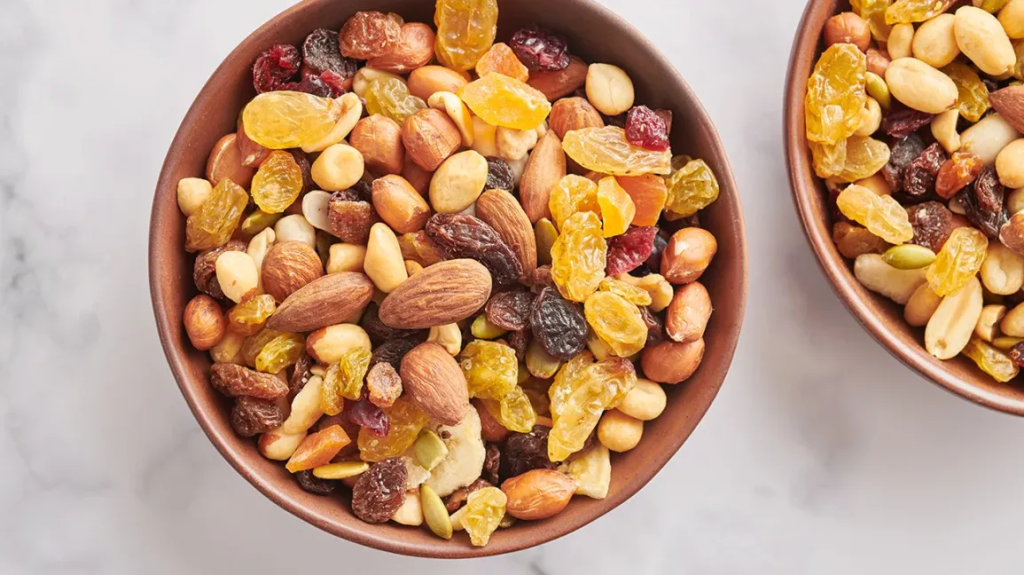
Almonds, for example, deliver unsaturated fats, fiber, vitamin E, magnesium, and ~6g protein per ounce—great for steady energy and satiety (Harvard T.H. Chan: Nuts; USDA FoodData Central). I like to pair a handful with fruit pre‑practice or throw them into overnight oats. Nothing fancy.
- Before training (60–90 min): carbs + a little protein (e.g., oatmeal with berries and yogurt). Helps performance and reduces perceived exertion (NLM: pre‑exercise nutrition).
- After training (0–2 hours): ~20–40g protein + carbs to support muscle repair and glycogen (NLM: protein timing).
- Daily baseline: plenty of plants, adequate total energy, and hydration matched to sweat rate (Position stand: Nutrition and Athletic Performance).
Training that stacks: tennis, strength, and mobility
“Nothing beats being on court” still holds—skill and sport‑specific conditioning are irreplaceable. Add strength and mobility to build durability for the long season.
- Tennis (2–4x/week): combine live hitting with footwork drills; USTA has excellent free progressions (USTA Fitness & Training).
- Strength (2–3x/week): hinge, squat, push, pull, carry. Emphasize unilateral work for lower body and rotator cuff/scapular control for shoulders (HHS Guidelines).
- Mobility/prehab (most days, 10–20 min): hips, T‑spine, ankles; include isometrics for tendons.
- Conditioning: intervals on court or bike/rower; use RPE to scale day‑to‑day (CDC: RPE).
Recovery is training, too
- Sleep: most adults need 7–9 hours; athletes often more. Performance, injury risk, even illness rates track with sleep (CDC).
- Active recovery: light movement, mobility, easy cycling or walking increase blood flow without stress (HHS).
- Autoregulation: swap high‑impact sessions when soreness, mood, or sleep tank. Autoregulated programs often outperform rigid plans in the real world (NLM: autoregulation in resistance training).
Competing with an autoimmune condition
Williams’s 2011 Sjögren’s diagnosis reframed her approach. Fatigue management, joint care, and hydration became non‑negotiables. The condition varies by person, but common strategies include pacing, anti‑inflammatory dietary patterns, and meticulous recovery (NIAMS/NIH; Mayo Clinic treatment overview). None of this diminishes performance ambition—it optimizes the path to it. Not medical advice; work with your clinician for a personalized plan.
The business through‑line: performance by design
Her ventures map to the same philosophy—perform better, live better, and do it with intention:
- V Starr: evidence‑informed interiors for hospitality and residential projects (vstarr.com).
- EleVen by Venus: apparel designed around function and confidence on court and off (elevenbyvenuswilliams.com).
- Happy Viking: plant‑based recovery and daily nutrition; backed by notable athletes and investors (drinkhappyviking.com; funding details).
A practical, no‑guesswork checklist you can start today
- Daily readiness scan (1–2 minutes): sleep (good/ok/bad), soreness (0–10), mood (0–10). Adjust session intensity accordingly.
- Fuel the work: don’t under‑eat on training days; anchor meals around lean protein, plants, and quality carbs (Athlete nutrition position statement).
- Build a “minimum viable session” for busy days (e.g., 20 minutes: warm‑up, two compound lifts, mobility). Consistency beats perfection.
- Protect sleep: cool, dark, quiet room; set wind‑down alarms, not just wake‑up alarms (CDC sleep hygiene).
- Plan a deload every 4–6 weeks. Put it on the calendar now (Overtraining review).
- Skill never retires: even 15 minutes of serve or footwork on a light day maintains feel (USTA drills).
Why this resonates beyond elite sport
Most of us juggle training with work, kids, and life logistics. A body‑first approach scales to real life because it respects constraints while driving progress. Honetly, the winning move is usually “good enough, repeated” rather than “perfect, once.”
Williams’s career—and the businesses she’s built around performance and design—show that excellence is less about hacks and more about systems that you can sustain. That’s not just inspirational; it’s operational.
Further reading and trusted resources
- WTA player profile: wtatennis.com
- Olympic record: olympics.com
- Sjögren’s syndrome overview: NIAMS/NIH | Mayo Clinic
- Physical Activity Guidelines: health.gov
- Sleep duration and hygiene: cdc.gov/sleep
- RPE and training intensity: cdc.gov
- Nutrition and athletic performance (position stand): ncbi.nlm.nih.gov
- Nuts and cardiometabolic health: Harvard Nutrition Source
- USTA training resources: usta.com
Small note: none of this replaces medical advice. If you’re managing a condition (autoimmune or otherwise), build your plan with a clinician or sports RD. And if you can’t tell, I’m a big fan of keeping the main thing the main thing—strenght, skill, sleep, and food.


