



If you scroll wellness TikTok, you’ll see everything from cold plunges to cryotherapy, adaptogens to red-light panels. It’s a lot. But sometimes the best advice is the least flashy. Case in point: Ciara—singer, entrepreneur, philanthropist and mom of four—has shared a refreshingly minimal routine built around two habits: drink more water and avoid midnight snacking. Add a few down-to-earth wind-down rituals (car quiet time, a good show, a hot bath, and unhurried family walks), and you’ve got a routine most of us can actually stick to. Below, I break down her tips, what the evidence says, and a few practical tweaks to try tonight. Not medical advice, of course—talk to your clinician before changing your diet, supplements or training.
The Core Habits Ciara Swears By
- Drink water (consistently, not just after your workout)
- No midnight snacks (she keeps evenings light and early)
- Wind down with small, real-life moments: a quiet sit in the car, a favorite show, a hot bath, or a slow walk with the kids
- Creatine for performance—and, she says, mental clarity—via a new campaign partnership with Thorne
I love how human this is. It’s doable, it’s affordable, and it aligns—mostly—with research. Let’s unpack each piece.
Hydration: Simple, Boring… and Very Effective

Hydration affects energy, cognition, mood, and exercise performance. Even mild dehydration (about 1–2% body weight) can impair attention and physical output more than we realize. The National Academies suggests a daily water intake of roughly 3.7 liters for most men and 2.7 liters for most women (from all beverages and foods)—but your needs vary with heat, altitude, pregnancy, lactation and training load. Start by front-loading water in the morning and pairing sips with “anchor” habits (email check, meetings, or every time you stand up). I keep a 24-oz bottle at my desk—low friction wins.
- Guidance: CDC: Water & healthier drinks
- Daily needs: National Academies: Dietary Reference Intakes for Water
- Hydration & performance: NIH/PMC: Hydration and sports performance
No Midnight Snacks: What Meal Timing Does to Your Body
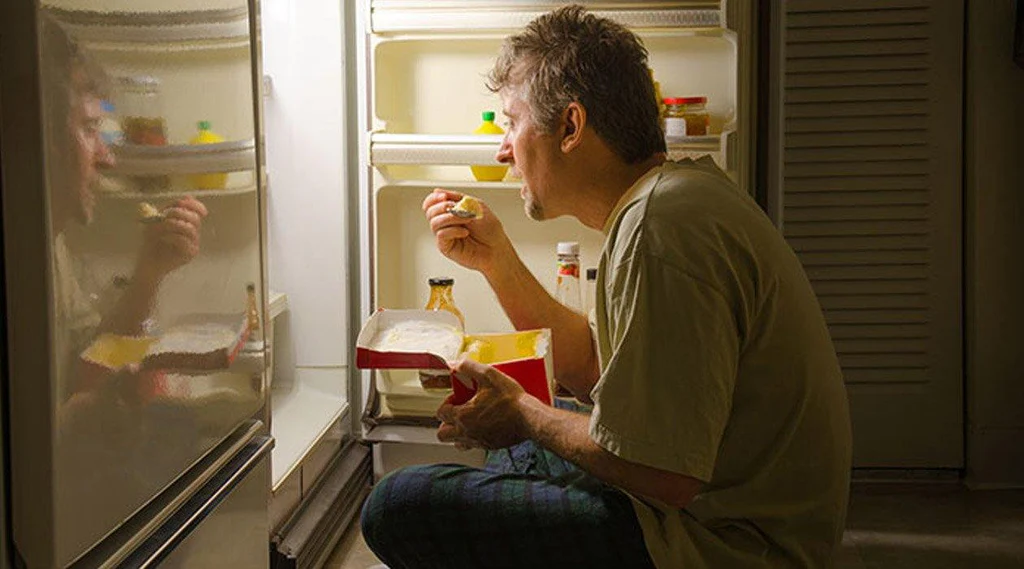
Ciara’s “no midnight snacks” rule lines up with circadian biology. Late eating is linked in studies to higher hunger, reduced energy expenditure, and shifts in fat metabolism. One tightly controlled trial found that eating late increased hunger hormones and decreased calories burned, compared to an identical earlier meal schedule. Practically, finishing dinner 2–3 hours before bed supports digestion and sleep quality (heavy meals can worsen reflux and fragment sleep).
- Controlled study: Cell Metabolism (2022): Late eating increases hunger & lowers energy expenditure and Brigham and Women’s summary
- Meal timing & weight: Harvard T.H. Chan: Does timing matter?
- Night eating & sleep: American Academy of Sleep Medicine: Diet and sleep
Quick tip: If late-night cravings hit, try a small protein-forward option (e.g., Greek yogurt) an hour earlier in the evening to blunt the “I’m-starving” window. Not perfect, but definitiely better.
Wind-Down Rituals That Are Actually Realistic
1) Two quiet minutes in the car
Ciara says the car is “the quietest place in the world.” Honestly relatable. While there isn’t a “car-specific” study, brief mindfulness sessions reduce stress reactivity and help transition between roles (work → home). Even 2–5 minutes of diaphragmatic breathing can lower heart rate and help you switch gears.
- Mindfulness and stress: NCCIH: Mindfulness meditation
- Relaxation response: Harvard Health: Learning to relax

2) Binge-watching—yes, with boundaries
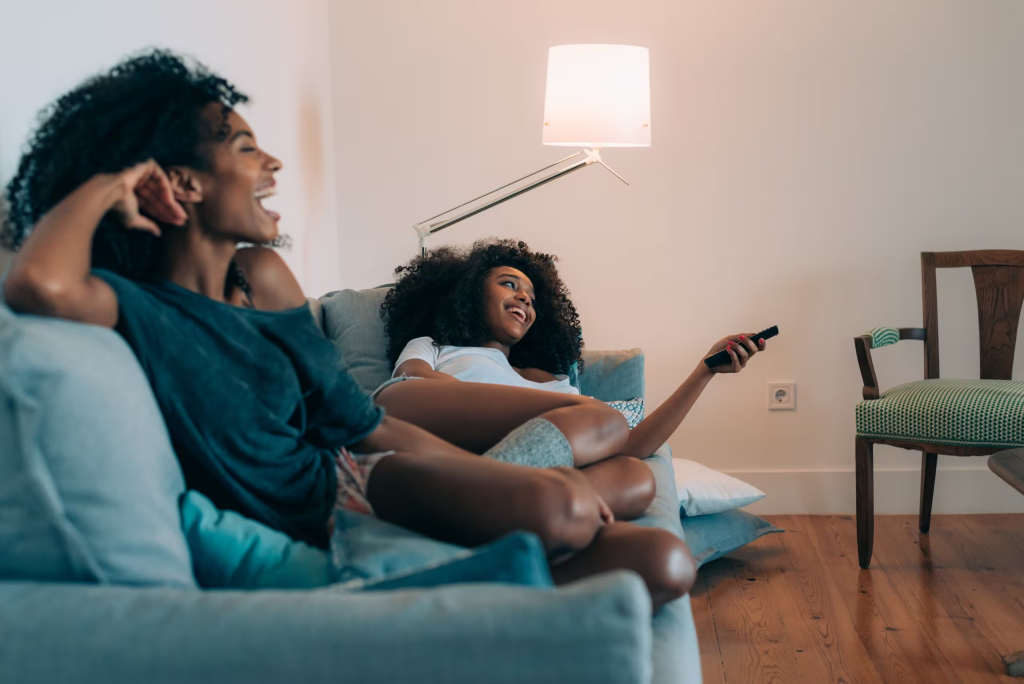
TV can be a valid decompression tool. The catch is timing: long, stimulating episodes right before bed can push sleep later and reduce sleep quality. If you love shows (same), set a “lights out” alarm, dim screens after 9 p.m., and pick lighter content late at night.
- Screen time and sleep: American Academy of Sleep Medicine
- Sleep hygiene basics: CDC: Sleep hygiene
3) A hot bath to cue sleep
Ciara loves a bath for peace and reflection. There’s science here: a warm bath or shower 1–2 hours before bed can shorten the time it takes to fall asleep by helping your core temperature drop afterward (that cooling signal promotes sleepiness).
- Systematic review: Sleep Medicine Reviews (2019): Warm bath/shower and sleep
- Summary: UT Austin: Hot bath before bed improves sleep

4) Family time and quiet strolls
Some of Ciara’s calmest moments are low-key walks with the kids (she once mentioned a peaceful stroll with her 22-month-old) or time with her husband, Russell Wilson. Social connection isn’t just nice-to-have; it’s a major predictor of wellbeing and even longevity. Walking itself boosts mood, reduces anxiety and counts toward weekly activity minutes.
- Social connection & health: CDC: Social connectedness and APA: Isolation & health
- Walking benefits: CDC: Physical activity for adults

Creatine: What It Does, What It Doesn’t, and How to Use It
Ciara has highlighted creatine as a daily aid for energy and mental clarity, via a new campaign with Thorne. Creatine isn’t just for bodybuilders; it’s one of the most studied sports supplements, with solid evidence for improving high‑intensity performance, power, and lean mass when paired with training. Cognitive benefits are emerging (especially under sleep deprivation or in people with low baseline creatine), but findings are mixed and still developing.
- Comprehensive position stand: International Society of Sports Nutrition
- NIH overview: NIH Office of Dietary Supplements: Creatine
- Clinical take: Cleveland Clinic: Creatine 101
- Cognition research (mixed): Psychopharmacology (2018): Creatine & cognition meta-analysis
How to use it: Most evidence supports creatine monohydrate at 3–5 g/day. A loading phase (20 g/day split into 4 doses for 5–7 days) speeds saturation but isn’t required. Take with a meal or carbs to reduce GI upset. Hydrate well.
Safety notes: Creatine is generally safe for healthy adults, but avoid if you have kidney disease unless your clinician clears it. Data in pregnancy/lactation are limited. It can cause transient weight gain (water in muscles). As always, choose third‑party tested products (NSF Certified for Sport, Informed Choice) to reduce contamination risk. And if you don’t need it? You can get very far with training, sleep, and nutrition alone.
A Practical “Ciara-Inspired” Evening Routine You Can Try
- 6:00–7:00 p.m. Dinner: Protein + veggies + complex carbs. Finish 2–3 hours before bed.
- 7:30 p.m. Family walk or solo loop around the block (10–20 minutes counts!).
- 8:00 p.m. Hot bath or shower (10–15 minutes). Dim the lights afterward.
- 8:30 p.m. Screen time with guardrails: blue‑light filters on, one episode, “lights out” alarm set.
- 9:30–10:00 p.m. Parked‑car or couch breathing break (2–5 minutes). Yes, doing “nothing” is doing something.
- Daily: Keep water handy. If using creatine, 3–5 g with a meal.
Is this perfect? No. But perfection is the enemy of progress. Pick one lever (earlier dinner or a 10‑minute walk) and nail it for seven days. Then build from there.
Key Takeaways (and a Few Myths to Ignore)
- Hydration and earlier dinners are low‑effort, high‑impact moves backed by research.
- “Wind‑down” is less about time and more about signals—quiet, warmth, dim light, and routine.
- Creatine is well‑supported for performance; brain benefits are promising but not universal.
- Expensive wellness tech isn’t required. Consistency is.
- Talk to your healthcare provider if you’re pregnant, breastfeeding, have kidney issues, or take medications.
Honetly, the most surprising thing about Ciara’s wellness habits is how normal they are. That’s the point. Keep it simple, keep it repeatable, and the results add up.


