


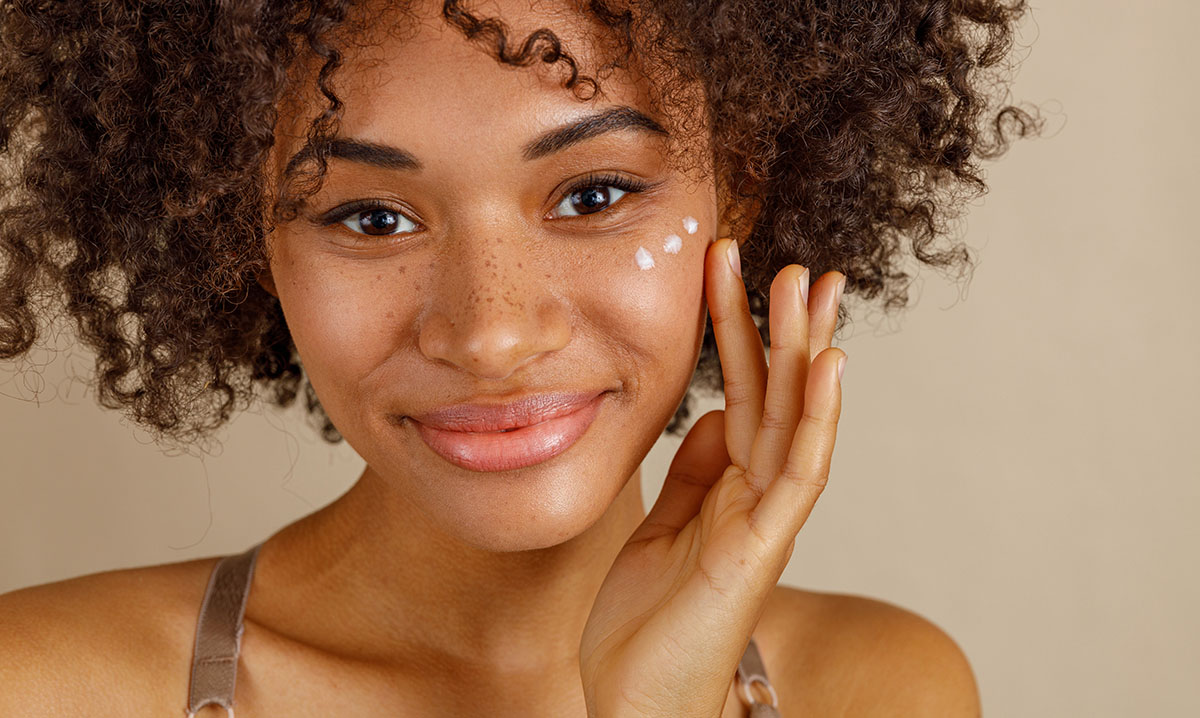
Typical resolutions never stick for me (work out more; read more, yada yada). Beauty risks, though? Those I can actually follow through on. Below are the three big swings I’m taking this year—with the receipts, the safety steps, and the “how I’ll know it worked.” And yes, I’m leaving room for play, mistakes, and a couple happy accidents (because that’s half the fun, honestlly).
1) A Major Color Change (Going Red on Naturally Curly Hair)
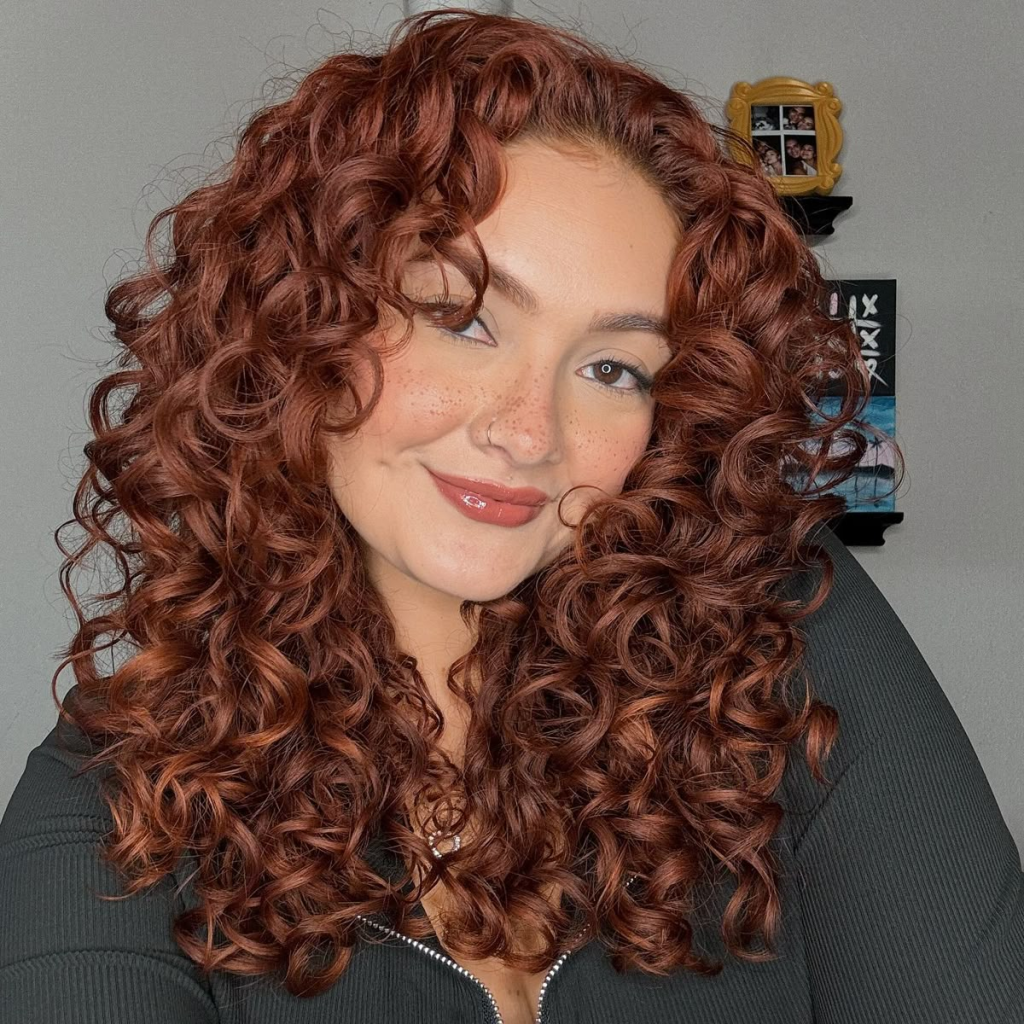
I grew out old highlights and lived in my natural dark curls for a while. Loved it. But I’m ready for red—think auburn-to-ginger, not fire-engine. Coloring curls is its own science: curl pattern, porosity, and protein/moisture balance matter more than with straight hair.
Game plan
- Consult a curl-literate colorist and bring exact visual targets (2–3 photos only). Stylists recommend staying within two levels of lift to protect curl integrity; bond-building add-ons can help during lightening (hair fiber damage review, NIH).
- Strand + allergy tests: Red dyes use aromatic amines; follow a 48-hour patch test to reduce risk of allergic contact dermatitis (American Academy of Dermatology). Ask for a strand test to preview lift and tone.
- Expect fade: Red molecules are larger and wash out faster; plan for glosses every 4–8 weeks and color-safe, low-sulfate cleansing (FDA: hair dyes overview).
- Protect the curl: Alternate protein and moisture masks; keep heat to a minimum; use UV filters on sunny days to limit oxidation and fade (UV & hair photodamage review).
How I’ll track success: zero scalp irritation, curls still springy, and a tone that looks intentional (not brassy) by week 6. If I’m needing weekly toners, we tweak the formula.
2) Luxury Skincare Services (but done smart, not just “treat yo’ self”)
I used to think pro services were frivolous. Then I noticed two things: a good facial helps me understand my skin and simplify my routine, and a real massage melts stress so I actually sleep. This year I’m being intentional about which services earn my time and money—starting with brow lamination, plus facials on a cadence that makes sense for my skin.
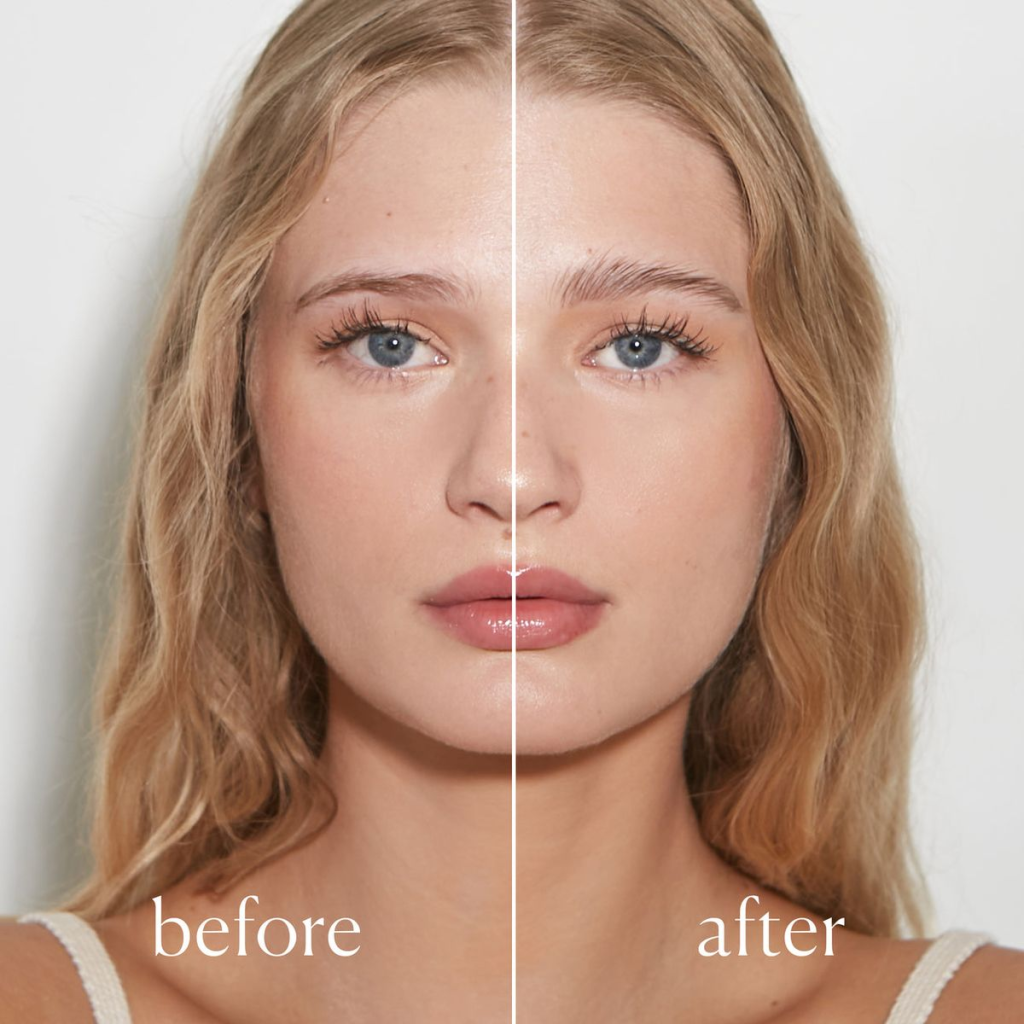
Brow lamination: facts, risks, and aftercare
- What it is: a two-step chemical process (thioglycolate-based lotion to break bonds; neutralizer to reset hairs in place). Results last ~4–6 weeks.
- Safety: Ask for a patch test—perms/relaxers can irritate skin and eyes; avoid if you have eczema/dermatitis on the brow area or active irritation (AAD: brow lamination risks).
- Aftercare: keep brows dry 24 hours, condition nightly (castor or peptide serum), avoid exfoliants on the area for 48–72 hours.
Facials & massages that move the needle
- For congestion & texture: enzyme/low-strength AHA facials or dermaplaning (with trained pros) spaced 4–6 weeks; skip if you’re using strong retinoids (sun + irritation risk) (AAD resurfacing guidance).
- For stress + sleep: Swedish or lymphatic drainage massage 60–90 minutes can reduce perceived stress and improve sleep quality in trials (massage & health review). I book on late afternoons so I can coast right into bedtime.
How I’ll track success: fewer “mystery” breakouts, less product hoarding (a sign I’m chasing results), and waking up after facials without excessive redness or stinging.
3) Smarter Beauty Purchases (refillables, ingredients, and local love)
I’m tightening my cart: more refillable/reusable packaging, more local and BIPOC-owned brands, and better ingredient matching to my skin. Last week I finally admitted glycolic acid and I are not friends (over-exfoliation city). So I’m pivoting.
My new rules
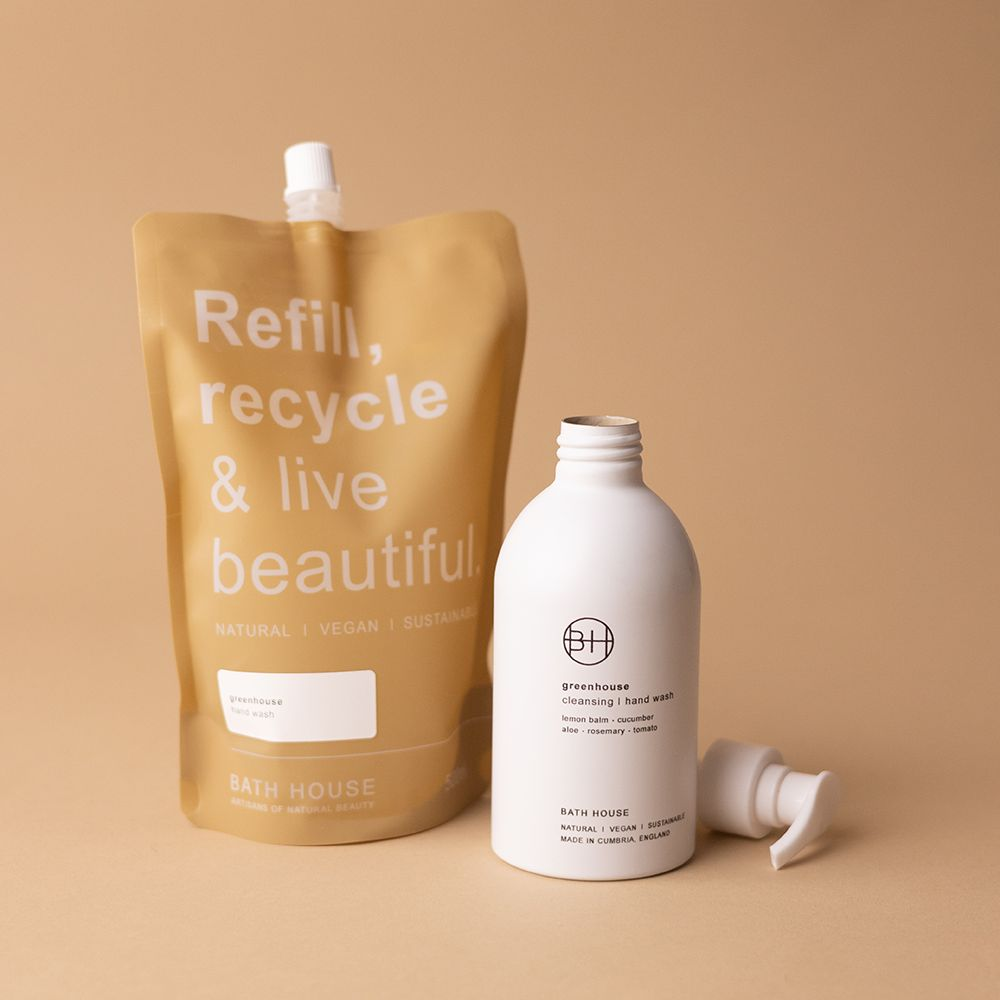
- Refill first: choose products with cartridges, pods, or returnable glass when possible; programs like PACT Collective accept hard-to-recycle beauty empties at partner bins (PACT). Life-cycle analyses show concentrated/solid formats often cut transport emissions and water (LCA review).
- Patch test and log: new acids/vitamin A go on the jawline for 24–48 hours first; note reactions and wins in a simple notes app (AAD: patch testing at home).
- Swap glycolic → gentler actives: lactic acid (bigger molecule) or PHAs for smoothing; azelaic acid or niacinamide for tone and redness; adapalene or bakuchiol for long-term texture (evidence varies—set realistic timelines) (AAD: ingredient guide).
- Buy from more voices: curations like Thirteen Lune and local shop edits help me discover BIPOC-founded lines (search your city’s beauty boutiques and markets).
How I’ll track success: empties outnumber half-used bottles, fewer impulse returns, and calmer skin after a full month on the new routine.
My quarterly check-in (to stay honest)
- Q1: finalize red shade, complete two gloss appointments, confirm no scalp reactions.
- Q2: one facial/month max; skip if barrier feels compromised (tight, shiny, stingy).
- Q3: 50% of routine in refillable/concentrated formats; donate unopened misses.
- Q4: compare “before” and “after” selfies in daylight; did these risks feel good and perform?
Further reading & sources: Hair fiber damage & care (NIH review); Hair dye safety & allergy (AAD, FDA); UV & hair color fade (review); Brow lamination risks (AAD); Ingredient picking & patch testing (AAD, AAD); Beauty packaging & refills (PACT Collective; LCA on concentrates: review).


